
Last Updated: March 2025 | Based on FEMA and NOAA drought monitoring data
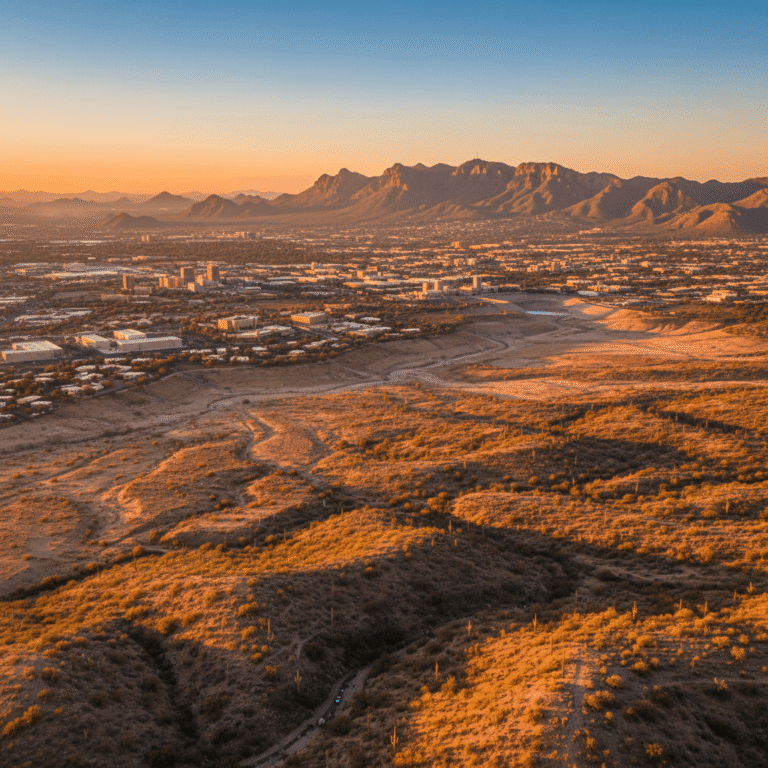
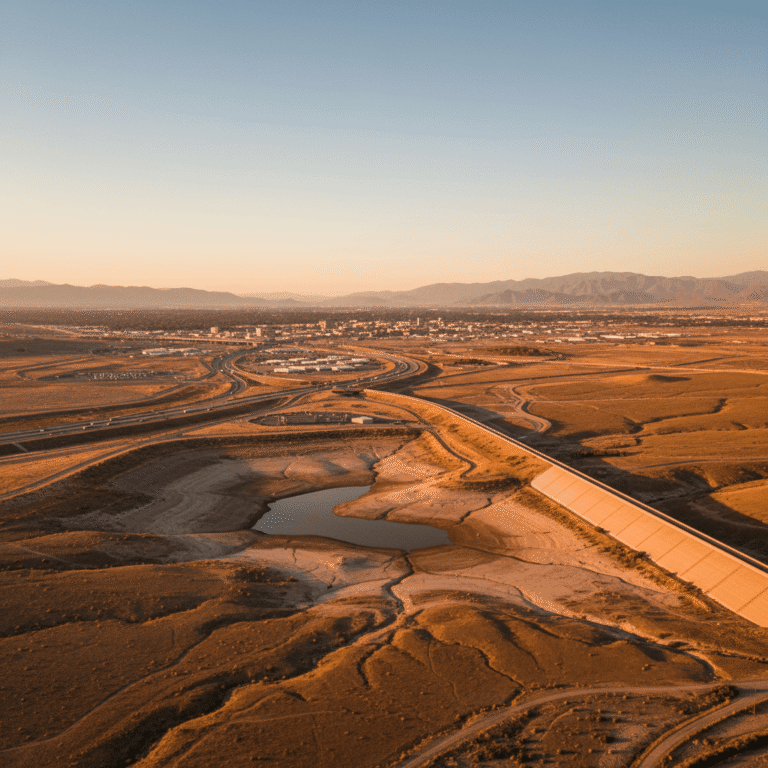
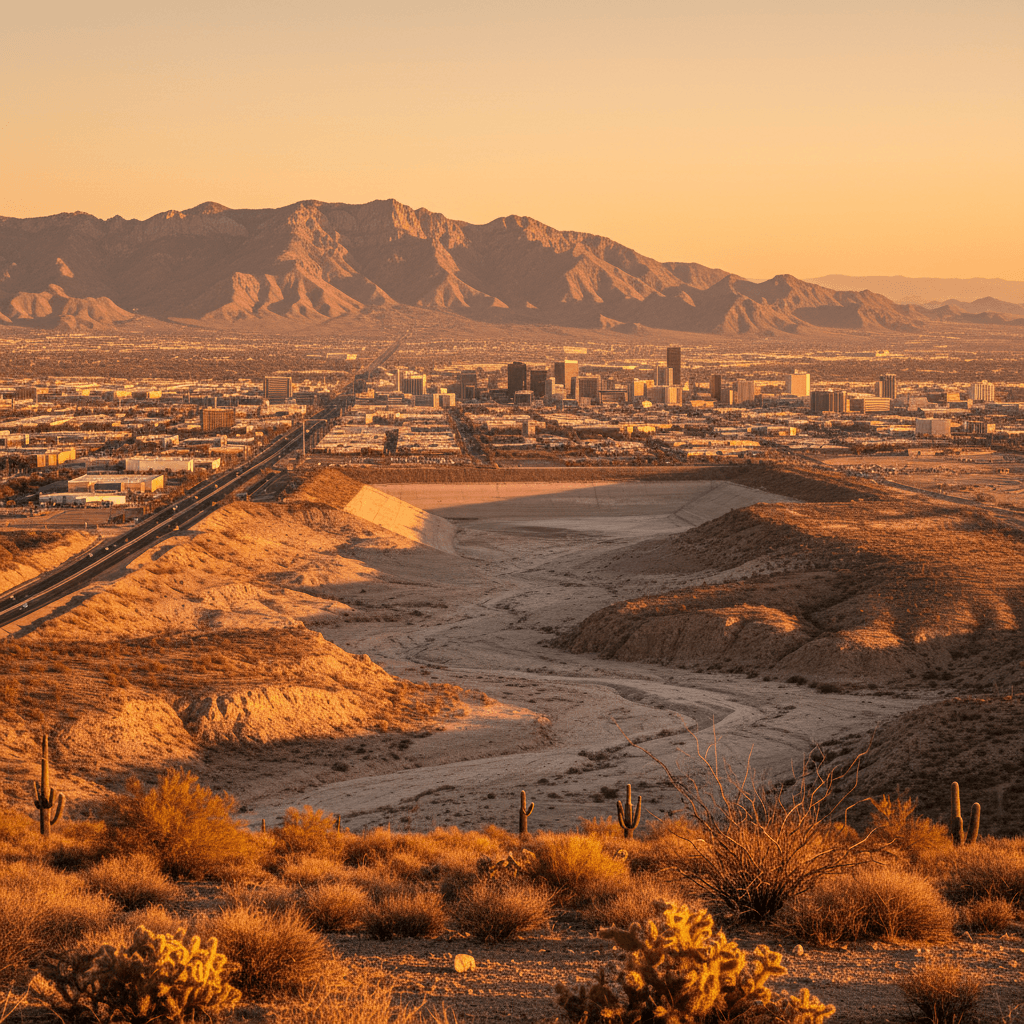
Developing a robust drought preparedness guide El Paso TX requires understanding the unique arid climate of the Chihuahuan Desert. Because El Paso relies on a mix of surface water from the Rio Grande and groundwater from the Hueco and Mesilla Bolsons, long-term water security depends on both municipal management and household-level conservation practices to mitigate the impacts of persistent arid conditions.
Your county's real disaster history, what to do first, and what to keep at home. Free, and it shows up right here.
🔒 We never sell your email. Unsubscribe in one click.
Key Takeaways
- El Paso experiences high evaporation rates and limited annual precipitation, making water conservation a year-round necessity.
- Household drought planning must prioritize emergency water storage of at least one gallon per person per day.
- Xeriscaping is the most effective way to reduce residential water consumption in the El Paso region.
- Monitoring the U.S. Drought Monitor is critical for adjusting water usage during peak heat months.
- Advanced water filtration systems allow residents to maximize limited supply during severe shortages.
Understanding Drought Risk in El Paso, Texas
According to data from NOAA and the National Integrated Drought Information System (NIDIS), the El Paso region is characterized by extreme sensitivity to precipitation deficits. The city’s location in the Chihuahuan Desert means that even short-term meteorological droughts can quickly impact local water reservoir levels and aquifer recharge rates. Residents should refer to Drought.gov for real-time tracking of regional conditions.
How to Prepare for Drought: Step-by-Step
Step 1: Audit Your Home Water Usage
Identify leaks in faucets, toilets, and irrigation systems. Even minor drips contribute significantly to water waste over time. Use low-flow fixtures to reduce baseline consumption.
Step 2: Implement Xeriscaping
Replace high-water-demand lawns with native, drought-tolerant plants. El Paso Water provides resources on desert-friendly landscaping that thrives with minimal supplemental irrigation.
Step 3: Create an Emergency Water Supply
Maintain a storage of at least one gallon of water per person, per day, for at least three days. Store water in food-grade containers in a cool, dark place, and rotate your supply every six months.
Step 4: Practice Graywater Recycling
Where local ordinances permit, capture water from showers or laundry (using biodegradable detergents) to irrigate non-edible landscape plants, reducing the load on the municipal water system.
Step 5: Stay Informed
Follow updates from El Paso Water regarding drought stages and mandatory usage restrictions. Adhering to these guidelines ensures community-wide stability during extended dry periods.
📦 Recommended: Water Freedom System
This system provides a reliable method to secure clean water, which is essential for El Paso households during periods of extreme drought and potential water utility strain.
Essential Emergency Kit for El Paso
- One gallon of water per person per day (3-day supply minimum)
- Water purification tablets or high-quality portable filters
- Non-perishable, low-sodium food items
- Battery-powered or hand-crank NOAA Weather Radio
- First aid kit
- Flashlight with extra batteries
- Multi-tool or utility knife
- Personal hygiene supplies (wet wipes, hand sanitizer)
- Important documents in a waterproof container
- Local emergency contact list
- Extra cash
- Sturdy shoes and protective clothing
Local Resources
For official alerts and utility management, visit the following resources:
- El Paso Water Utilities
- City of El Paso Office of Emergency Management
- National Weather Service – El Paso Office
Frequently Asked Questions
How do I know if El Paso is currently in a drought?
You can check the U.S. Drought Monitor or the El Paso Water website for current status updates. These platforms provide localized data on precipitation levels and reservoir status.
What is the most effective way to save water at home?
The most impactful change is replacing lawn irrigation with xeriscaping. Additionally, fixing leaks and installing high-efficiency toilets and showerheads significantly lowers daily consumption.
How long should I store emergency water?
For safety, rotate your stored water supply every six months. Always store it in a cool, dark location away from chemicals or direct sunlight.
Are there restrictions on when I can water my lawn?
Yes, El Paso enforces specific watering schedules based on the time of year and current drought conditions. Check the El Paso Water website for the latest ordinance details.
What should I do if my water service is interrupted during a drought?
Listen for instructions from local authorities via radio or official social media channels. Use your stored emergency water supply and avoid using non-essential water until the utility confirms the system is stable.
Get real disaster prep, decoded from FEMA, NOAA & USGS.
One short email when something actually matters for your zip code. No spam, ever.