
Understanding the Flood Gap – Homeowner vs Flood Insurance
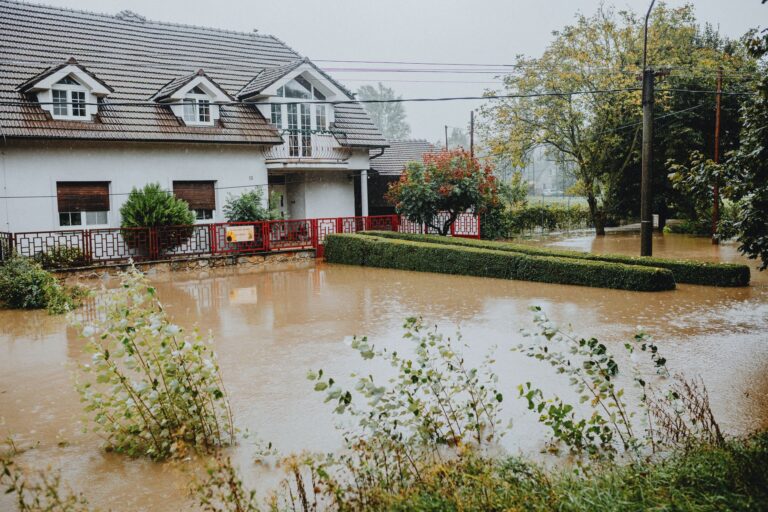
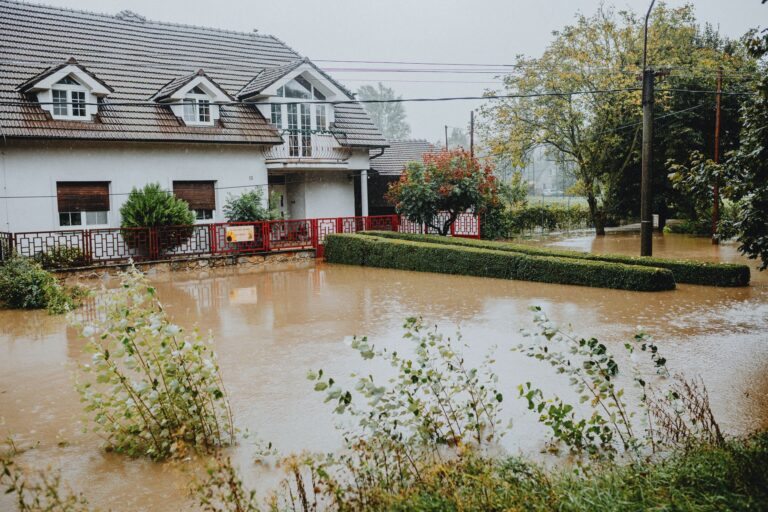
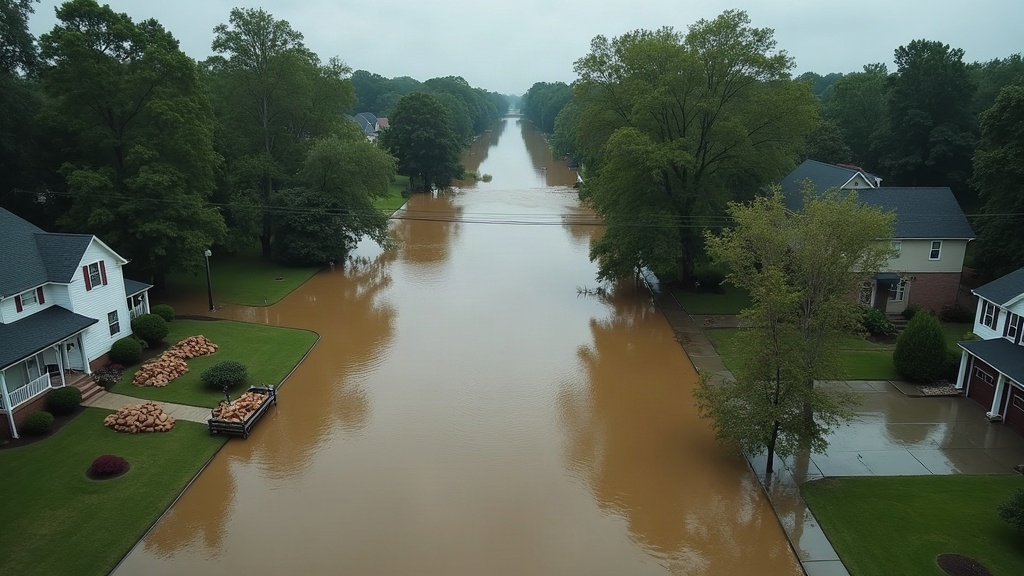
Between 2003 and 2023, 99 % of U.S. counties experienced flooding. Yet the average homeowner assumes that the standard property policy will pay for water damage. The reality is stark: homeowner insurance excludes flood damage unless you purchase a separate flood policy through the National Flood Insurance Program (NFIP) or a private carrier. Without that coverage, the out‑of‑pocket cost of a single flood can exceed $30,000 for a modest single‑family home, jeopardizing recovery and forcing families to dip into savings or take high‑interest loans.
Your county's real disaster history, what to do first, and what to keep at home. Free, and it shows up right here.
🔒 We never sell your email. Unsubscribe in one click.
FEMA’s data shows that even “low‑to‑moderate” risk zones generated almost one‑third of NFIP claims from 2014‑2024. In other words, you don’t have to live on a riverbank to be at risk. Construction projects, soil erosion, and changing climate patterns can turn a previously dry lot into a flood‑prone area overnight.
How to Find Out If Your Home Is in a Flood Zone
The most reliable way to answer the question “How do I find out if my home is in a flood zone?” is to use the FEMA Flood Map Service Center. Follow these three steps:
- Visit msc.fema.gov/portal/home and enter your exact address.
- Review the “Flood Zone” designation (e.g., Zone A, AE, X, etc.). Zones A and AE are high‑risk, while Zone X (shaded) is low‑risk but still not immune.
- Download the PDF map for a visual of nearby water bodies, base flood elevations, and any recent updates.
If the map shows a “Special Flood Hazard Area” (SFHA), you are legally required to have flood insurance on any federally backed mortgage. Even if you see a “moderate‑to‑low” designation, consider a policy—NFIP data shows that 30 % of claims come from those zones.
Buying Flood Insurance Early – Timing Matters
Flood insurance is a separate contract; it does not automatically attach to your homeowner policy. The NFIP imposes a 30‑day waiting period for new policies, meaning you cannot wait until a storm is forecasted to buy coverage. If you already have a flood policy, any changes (like adding a new structure) also trigger the waiting period.
Typical premiums range from $400 to $1,200 per year for a standard 1,000‑square‑foot home in a moderate‑risk zone, but rates vary widely based on elevation, construction type, and claims history. Private insurers often offer lower rates or faster binding, but they still respect the 30‑day rule.
Answering the question “Does homeowners insurance cover flooding?” is a simple “No” – unless you have a specific endorsement, which is rare and costly. So, treat flood insurance as a critical piece of your overall risk management plan.
72‑Hour Flood‑Ready Checklist – Practical Steps
Even with insurance, the first 72 hours determine safety and the extent of damage. Use the following organized actions to protect life, property, and essential documents.
1. Elevate What Matters
- Move furniture, electronics, and valuables at least 12‑18 inches above the predicted base flood elevation (BFE). Use sturdy pallets or shelving.
- Install shut‑off valves for water, gas, and electricity on the upper floor, and keep the keys in a waterproof container.
2. Guard Your Papers
Store critical documents (deeds, insurance policies, birth certificates) in a waterproof, fire‑rated container. Keep a digital backup on an encrypted USB drive stored in a sealed zip‑lock bag, and also upload encrypted copies to a secure cloud service.
3. Keep Gutters Clear
Clogged gutters turn a moderate rain event into a flash flood. Clean out leaves, nests, and debris at least twice a year, and install gutter guards where possible.
4. Practice the “Turn Around, Don’t Drown” Rule
Fast‑moving water is deceptively powerful. Six inches of swift water can knock an adult off their feet; one foot of water can sweep a car off the road. Teach every household member to avoid walking or driving through water deeper than ankle‑height, and always seek higher ground.
5. Establish Evacuation Routes
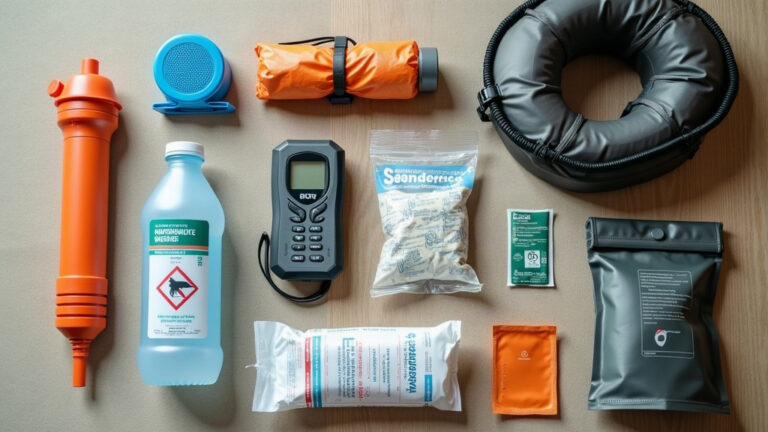
Identify at least two routes to higher ground (e.g., county road, nearby hill). Conduct a tabletop drill quarterly, assigning a “go‑bag” for each family member that includes a flashlight, extra batteries, a change of clothes, and a basic first‑aid kit.

📦 Recommended: Water Freedom System
If floodwaters contaminate your tap, this system generates clean drinking water on demand, keeping your family hydrated without relying on uncertain municipal supplies.
6. Post‑Flood Cleanup – Stay Safe
After the water recedes, wear N95 respirators, waterproof boots, and heavy‑duty gloves. Test electrical outlets with a non‑contact voltage tester before restoring power. Discard any food that has been in contact with floodwater, even if it looks fine. Use a commercial disinfectant on hard surfaces, and consider a professional water‑damage restoration service for extensive contamination.
Answering the question “How do I safely clean up after a flood?” involves three phases: (1) protect yourself with PPE, (2) stop the source of moisture (dehumidifiers, fans), and (3) disinfect and discard compromised items.

📦 Recommended: Home Doctor
This guide equips you to treat water‑borne illnesses and minor injuries when medical facilities are delayed, a common scenario after widespread flooding.
What to Do Next – Quick 3‑Step Action List
- Check your flood zone now. Use FEMA’s map service and note the BFE.
- Secure flood insurance. Contact your insurer or the NFIP within the next 30 days to avoid the waiting period.
- Implement the 72‑hour checklist. Elevate valuables, waterproof documents, clear gutters, and practice evacuation routes.
By completing these steps, you transform a potential financial disaster into a manageable event.
Get real disaster prep — decoded from FEMA, NOAA & USGS.
One short email when something actually matters for your zip code. No spam, ever.