
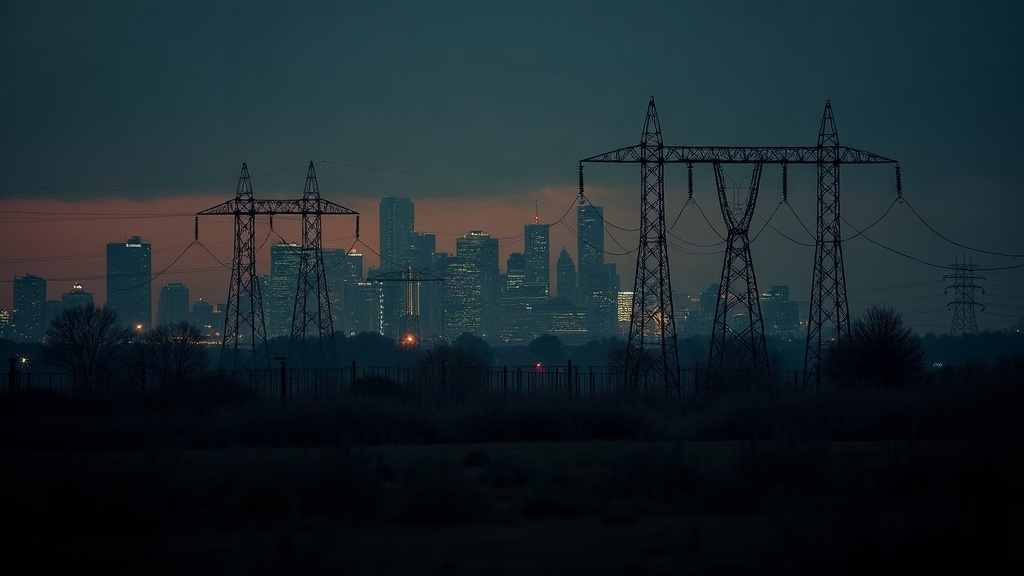
The recent announcement by the US Department of Energy declaring a power grid emergency in 13 states serves as a critical reminder for every American homeowner: preparedness isn’t just a suggestion, it’s a necessity. While the news might sound alarming, our focus at USRiskRadar is always on empowering you with actionable, practical steps. This situation directly impacts your ability to maintain essential services and comfort during an outage, making a robust 72-hour readiness plan more vital than ever. Let’s decode what this means for you and how to ensure your household is ready.
Your county's real disaster history, what to do first, and what to keep at home. Free, and it shows up right here.
🔒 We never sell your email. Unsubscribe in one click.
A power grid emergency can manifest in various ways, from localized blackouts to more widespread, prolonged outages. Understanding the potential impact and having a clear plan can significantly reduce stress and ensure your family’s safety and well-being. We’ll walk you through essential gear, critical safety protocols, and smart strategies to navigate power loss, cross-referencing vital guidelines from FEMA and other authoritative sources.
Building Your Essential 72-Hour Power Outage Kit
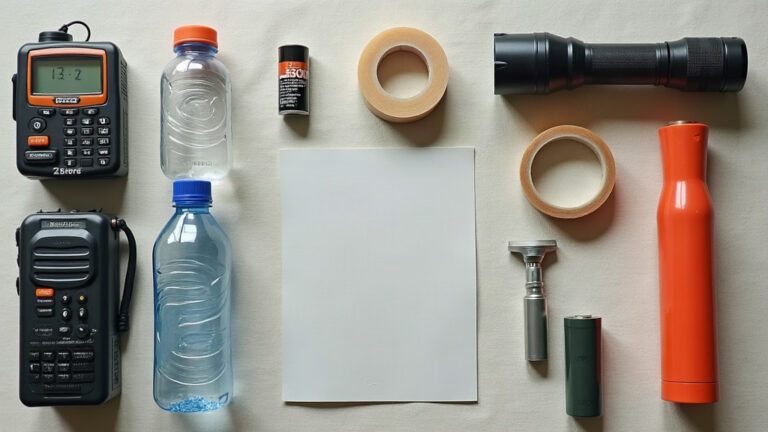
Your 72-hour kit is the cornerstone of effective power outage preparedness. Think of it as your immediate lifeline, containing everything you need to sustain your family for at least three days without external support. Here’s a breakdown of critical components:
Illumination and Power Backup
- Flashlights for Every Household Member: Don’t rely solely on phone flashlights. Keep dedicated, battery-powered flashlights (and extra batteries!) in easily accessible locations for everyone in your home. Headlamps are also excellent for hands-free operation.
- Power Banks / Battery Backups: Fully charge multiple power banks for your mobile devices. Consider a larger portable power station for charging laptops or running small appliances if needed.
- Alternative Lighting: Battery-operated lanterns are safer and provide broader light than candles.
Water Storage: Your Most Critical Resource
How much water should I store for a power outage? FEMA recommends storing at least one gallon of water per person per day for drinking and basic sanitation. For a 72-hour (3-day) outage, this means a minimum of 3 gallons per person. It’s wise to store more, especially if you have pets or anticipate needing water for cooking. Rotate your stored water every six months to ensure freshness.
- Bottled Water: Keep commercially bottled water in a cool, dark place.
- Water Filters: Consider a portable water filter or purification tablets as a backup for emergency situations.
Food Safety and Storage
When the power goes out, your refrigerator and freezer become ticking clocks. Careful management of food is essential to prevent waste and foodborne illness.
- Non-Perishable Food: Stock at least a 3-day supply of non-perishable food that requires no cooking, refrigeration, or special preparation. Think canned goods, dried fruits, nuts, granola bars, and ready-to-eat cereals. Don’t forget a manual can opener!
- Keep Fridge/Freezer Closed: How long will food last in the fridge and freezer without power? A refrigerator will keep food safely cold for about 4 hours if unopened. A full freezer will maintain its temperature for approximately 48 hours (24 hours if half-full) if the door remains closed.
- Food Safety Rule: Discard any perishable food (meat, poultry, fish, soft cheeses, dairy, leftovers) that has been above 40°F for more than 2 hours. When in doubt, throw it out.
Generator Safety and Carbon Monoxide Awareness
Generators can be invaluable during an outage, but they pose significant safety risks if not operated correctly. Carbon monoxide (CO) poisoning is a silent killer.
- Run Outdoors Only: How do I run a generator safely during a power outage? Always operate generators outdoors, in a well-ventilated area, at least 20 feet away from your home’s windows, doors, and vents. Never run a generator in a garage, even with the door open.
- Carbon Monoxide Detectors: Install battery-backup carbon monoxide detectors on every level of your home, especially near sleeping areas. Test them regularly and replace batteries annually.
- Proper Connection: Never plug a generator directly into a wall outlet (backfeeding). This can send electricity back into the power lines, endangering utility workers and potentially others. Use a transfer switch installed by a qualified electrician.

📦 Recommended: Blackout Protocol
For those looking beyond 72 hours, Blackout Protocol offers a complete home power plan to prepare your family for prolonged grid-down scenarios and extended outages.
Protecting Medical Devices and Electronics
For many, power is not just a convenience but a medical necessity. Planning for this is paramount.
Medical Device and Refrigerated Medicine Protocols
- Backup Plan for Electric-Powered Medical Devices: How do I power medical devices during a long outage? If you or a family member relies on electric-powered medical devices (e.g., oxygen concentrators, CPAP machines), discuss an emergency power plan with your doctor or medical provider. This might involve battery backups, portable generators, or even knowing the location of the nearest facility with backup power. Register with your utility company if they offer programs for medically vulnerable customers.
- Refrigerated Medicines: What should I do for medications that need refrigeration? Keep essential refrigerated medicines in the coldest part of your refrigerator. If the power outage is prolonged, use a cooler with ice packs to maintain temperature. Consult your pharmacist or doctor for specific guidance on medication stability during temperature fluctuations.
Safeguarding Your Electronics
How do I protect my electronics from a power surge when electricity returns? Power surges can occur when electricity is restored, potentially damaging sensitive electronics. Unplug major appliances and electronics like computers, TVs, and gaming consoles when the power goes out. Use surge protectors for valuable electronics when power is restored, but remember they offer limited protection against severe surges.
Communication and Long-Term Considerations
Even a 72-hour outage can feel like an eternity if you can’t communicate or are unprepared for extended disruption.
- Communication Without Internet: Keep a battery-powered or hand-crank radio to receive emergency broadcasts. Have a traditional corded phone if you have a landline (cordless phones won’t work without power). Establish an out-of-state contact for family members to check in with.
- Cash: ATMs and credit card machines won’t work without power. Keep a supply of small bills on hand.
- Planning for Longer Outages: While our focus is 72 hours, consider the implications of a longer, grid-down scenario. This involves more extensive food and water storage, alternative heating/cooling, and community preparedness.

📦 Recommended: The Grid Phantom
Protect your critical electronics from potential damage during power surges, grid failures, and even EMP events with ‘The Grid Phantom’, safeguarding your essential devices.
What to Do Next: Your Action Checklist
Taking action now is the most effective way to prepare. Use this checklist to solidify your household’s readiness:
- Assemble Your Kit: Gather all essential items for your 72-hour power outage kit, including flashlights, batteries, water, and non-perishable food.
- Review Medical Needs: Discuss emergency power plans for medical devices and refrigerated medications with healthcare providers.
- Test Safety Devices: Ensure all smoke alarms, carbon monoxide detectors, and weather radios are in working order with fresh batteries.
- Develop a Family Plan: Discuss with your family where to meet, how to communicate, and what to do in case of an extended outage.
- Stay Informed: Monitor local news and official advisories from your utility company and emergency services before and during an outage.
Preparedness is an ongoing process, not a one-time event. By taking these steps, you’re not just reacting to a news item; you’re building resilience and peace of mind for your family. USRiskRadar is committed to providing you with the knowledge to stay safe and secure, no matter what challenges arise.
Get real disaster prep — decoded from FEMA, NOAA & USGS.
One short email when something actually matters for your zip code. No spam, ever.