What to Do When the Power Goes Out: First Hour, First Night, Day 3
Knowing what to do when the power goes out can prevent food spoilage, carbon monoxide poisoning, and costly mistakes during the first 72 hours of a home blackout.
U.S. Disaster Preparedness Portal with real-time government data
U.S. Disaster Preparedness Portal with real-time government data
Emergency preparedness for power outages and utility disruptions
Knowing what to do when the power goes out can prevent food spoilage, carbon monoxide poisoning, and costly mistakes during the first 72 hours of a home blackout.
The USDA says food in a closed refrigerator stays safe for up to 4 hours after power loss, after which perishables enter the danger zone and should be discarded.
A complete power outage survival kit covers at least 72 hours of light, water, food safety, and backup power, based on FEMA's minimum preparedness standard.
The Department of Energy ordered emergency backup power across 17 states through August 3, the second such order in a week, as extreme heat strains the grid.
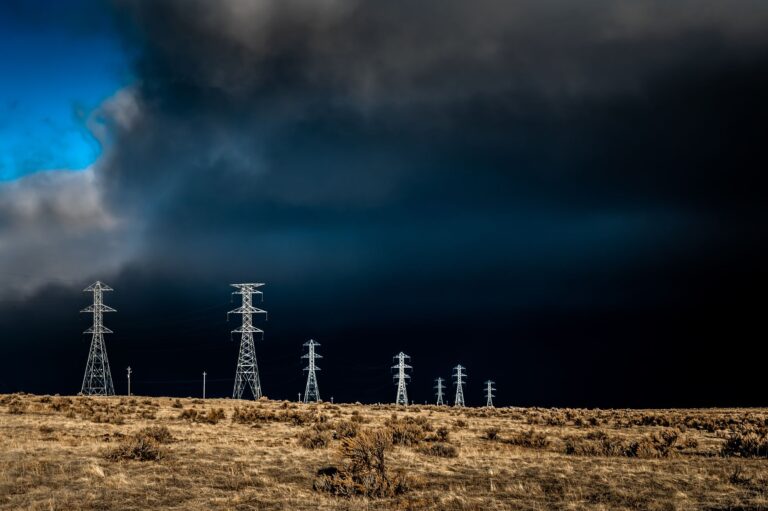
Use this 72-hour readiness guide to stay cool, communicate, and keep essentials running during a planned power outage. Prepare now.
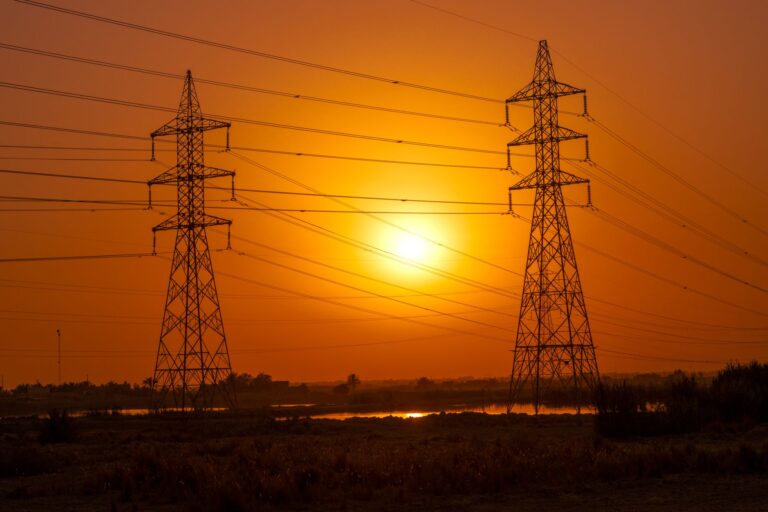
Since January 2021, FEMA has recorded 351 federally declared disasters across the United States, 140 of them severe storms, and the first 72 hours after the grid goes down remain entirely your responsibility.
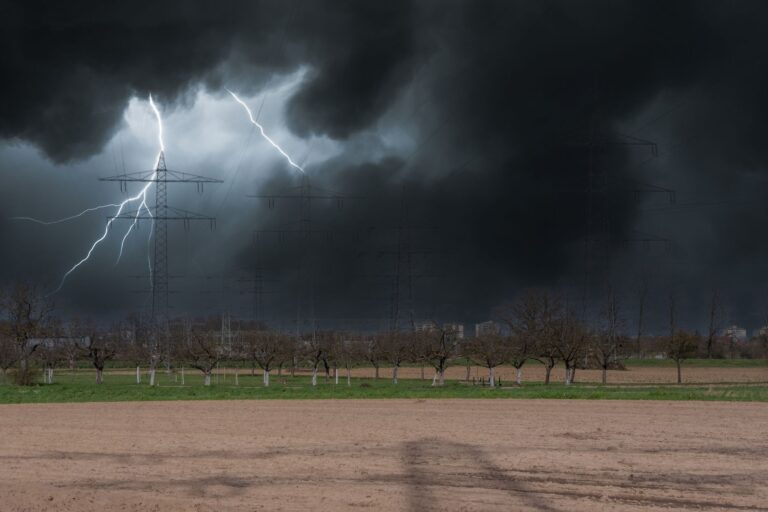
Since January 2021, the United States has logged 351 federally declared disasters, and the dominant trigger isn't hurricanes or wildfires, it's severe storms. Here's what that means for your home's 72-hour power readiness this summer.
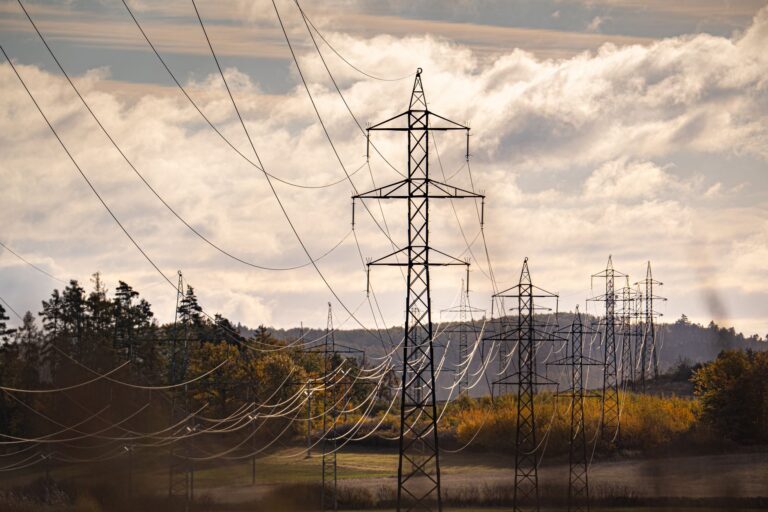
Since 2021, FEMA has recorded 351 federally declared disasters across the United States, 140 of them severe storms, and the communication failures that follow those events expose a single, fixable gap in most household readiness plans.
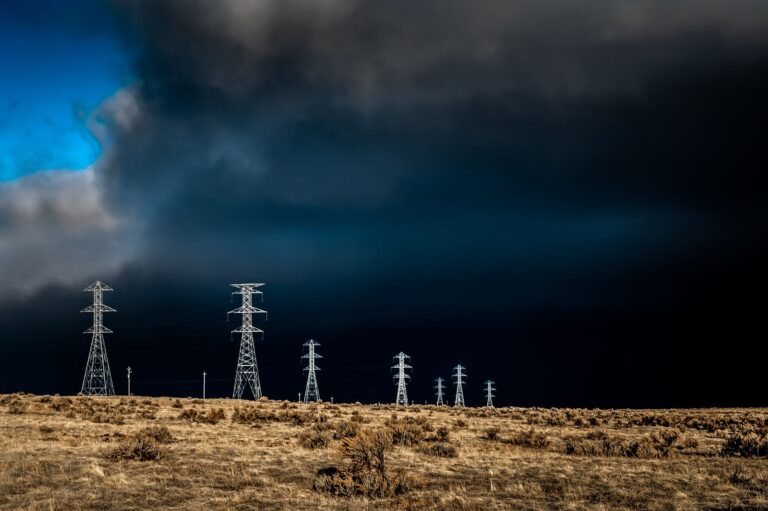
TVA’s grid stability review could affect costs and reliability. Learn what it means for your home and how to build a solid 72-hour plan. Read now.
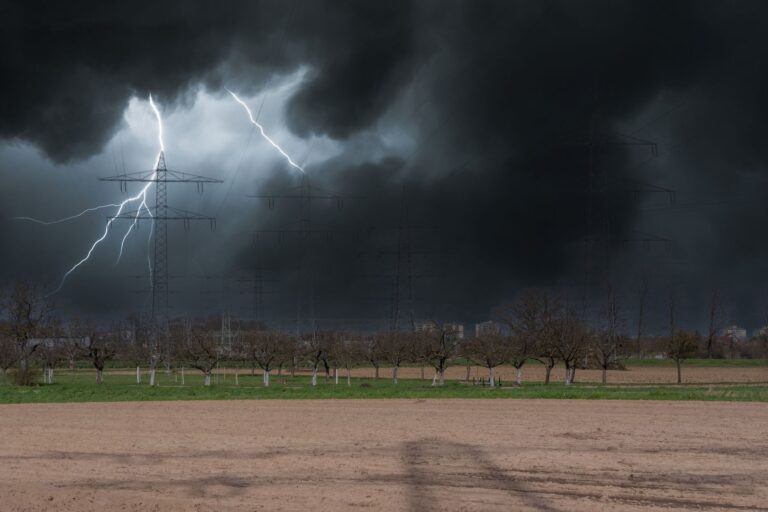
With 351 federally declared disasters across the United States since 2021, led by severe storms, floods, and hurricanes, here's how to build a layered communication plan that actually works when cell towers fail and the internet goes dark.