
Last Updated: May 2026 | Based on FEMA, NOAA, and USGS data
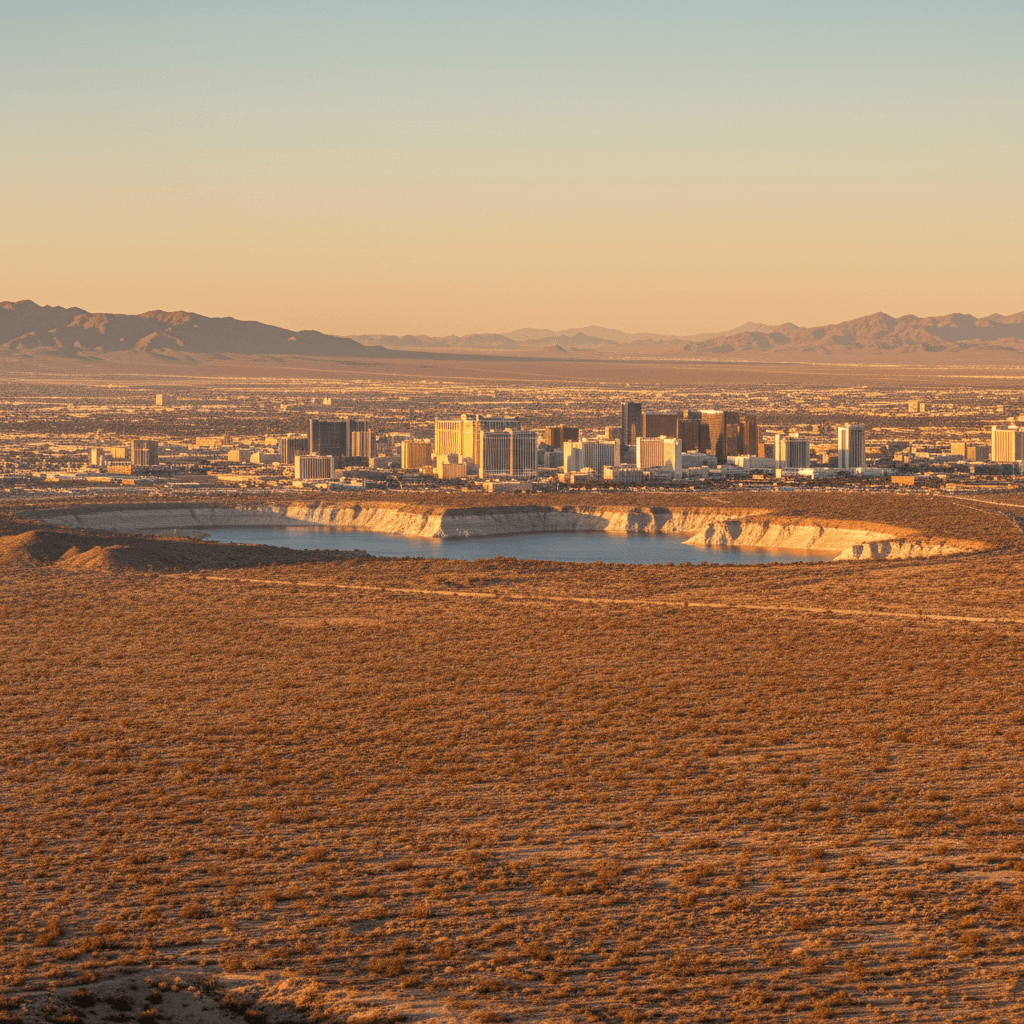
Drought is a persistent environmental reality for residents of the Mojave Desert, requiring proactive water management and long-term planning. This drought preparedness guide for Las Vegas, NV, outlines the essential steps to protect your household and maintain compliance with local water restrictions, ensuring you remain resilient during periods of extreme aridity.
Your county's real disaster history, what to do first, and what to keep at home. Free, and it shows up right here.
🔒 We never sell your email. Unsubscribe in one click.
📋 Print this checklist, keep it with your emergency supplies to ensure your household stays prepared for long-term water scarcity.
Before Drought Season. Las Vegas Checklist
- ☐ Audit indoor fixtures: Install low-flow aerators on faucets and replace older showerheads with WaterSense-labeled models.
- ☐ Landscape conversion: Replace high-water-use grass with native, drought-tolerant desert landscaping (xeriscaping) to reduce outdoor water consumption.
- ☐ Check for leaks: Inspect toilets, irrigation systems, and faucets for silent leaks that can waste thousands of gallons annually.
- ☐ Update your emergency kit: Ensure you have at least one gallon of water per person per day for at least three days stored in a cool, dark place.
- ☐ Review local ordinances: Familiarize yourself with Southern Nevada Water Authority (SNWA) seasonal watering restrictions.
- ☐ Install smart irrigation controllers: Use weather-based controllers that automatically adjust watering schedules based on local evapotranspiration rates.
- ☐ Prepare greywater systems: If feasible, research legal requirements for collecting and reusing greywater from laundry or showers for irrigation.
Emergency Kit Checklist
- Water: One gallon per person per day (minimum 3-day supply).
- Non-perishable food: High-moisture content foods are preferred to reduce thirst.
- Manual can opener.
- First aid kit with specialized medical supplies.
- Battery-powered or hand-crank radio for NOAA weather updates.
- Flashlight and extra batteries.
- Personal hygiene items: Moist towelettes, garbage bags, and plastic ties for sanitation.
- Multipurpose tool or wrench to turn off utilities.
- Local emergency contact list.
- Cash in small denominations.
- Copies of important documents in a waterproof container.
- Emergency blanket.
📦 Recommended: Water Freedom System
This system offers a reliable way to generate water independently, providing a critical safety net during severe drought conditions in Las Vegas.
During Drought
- Adhere strictly to assigned watering days and times as dictated by local authorities.
- Minimize water usage for non-essential activities like washing vehicles or cleaning driveways.
- Report water waste, such as broken sprinkler heads or runoff, to the SNWA “Water Waste Investigator” program.
- Take shorter showers and turn off the tap while brushing teeth or shaving.
- Keep a pitcher of water in the refrigerator instead of running the tap until it gets cold.
After Drought: Recovery Steps
- Assess your water bills to identify if changes in usage patterns were effective.
- Maintain your xeriscaped landscape to ensure long-term water savings.
- Restock your emergency water supplies if they were utilized during the event.
- Evaluate your home’s water-saving systems for necessary repairs or upgrades.
Frequently Asked Questions
How often should I rotate my stored emergency water?
It is recommended to replace stored water every six months to ensure freshness and safety, unless you have used a commercial purification method that allows for longer storage.
Where can I find current water restrictions for Las Vegas?
The Southern Nevada Water Authority (SNWA) provides the most accurate and up-to-date information regarding watering schedules and drought response levels for the Las Vegas valley.
Is a drought considered a disaster in Nevada?
Yes, drought is a slow-onset disaster. While it does not always trigger immediate FEMA declarations like a flood or earthquake, it is a primary concern for the Nevada Division of Emergency Management.
What is the most effective way to save water in a Las Vegas home?
Outdoor water use accounts for a significant portion of residential consumption. Converting grass lawns to desert-friendly landscaping is the single most effective way to save water.
How do I know if the water in my kit is still safe to drink?
Check the seals on your water containers. If the seal is broken or the water appears cloudy or has an odor, do not consume it; use it for sanitation instead.
Get real disaster prep, decoded from FEMA, NOAA & USGS.
One short email when something actually matters for your zip code. No spam, ever.