
Why Flood Insurance Matters for Every Homeowner
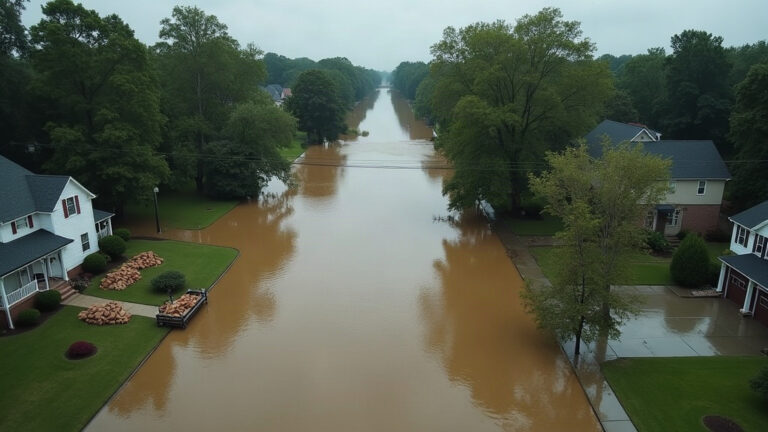
Between 2003 and 2023, 99% of U.S. counties experienced a flood event. Yet the typical homeowners policy treats flood as an “exclude” – meaning the damage you see after a rising creek or a storm‑driven surge is not covered. The National Flood Insurance Program (NFIP) fills that gap, but only if you have a policy in place before the water arrives. Understanding your exposure and acting early can mean the difference between a quick recovery and a costly, months‑long rebuild.
Your county's real disaster history, what to do first, and what to keep at home. Free, and it shows up right here.
🔒 We never sell your email. Unsubscribe in one click.
Step 1 – Find Out If You’re in a Flood Zone
The first question most readers ask is “How do I find out if my home is in a flood zone?” The answer is simple: use the FEMA Flood Map Service Center. Enter your address and the map will display one of several designations:
- Zone X (low risk) – Minimal flood chance, but not zero.
- Zone AE, A1‑30, A, V – Moderate to high risk; these zones are eligible for NFIP coverage.
- Zone D (undetermined) – Insufficient data; treat as potentially risky.
Even if your property sits in a “low‑to‑moderate” zone, recent data shows that one‑third of NFIP claims come from those areas. Construction, erosion, or a sudden storm can turn a dry lot into a fast‑moving river in minutes.
Step 2 – Secure Flood Insurance Before It’s Needed
Standard homeowners insurance does not cover flood damage. The NFIP offers policies that protect both the structure and personal belongings. Here are the key points:
- 30‑day waiting period: Flood policies become effective 30 days after purchase, unless you’re buying in conjunction with a federally declared disaster.
- Coverage limits: Typically up to $250,000 for the building and $100,000 for contents, but higher limits are available in high‑risk areas.
- No presidential disaster declaration required: Your claim is paid directly by your insurer, not by FEMA disaster assistance.
Because of the waiting period, “When should I buy flood insurance?” The answer: as soon as you learn you’re in a flood‑eligible zone. Waiting until a storm forecast appears will leave you uninsured.
Step 3 – Build a 72‑Hour Flood Survival Kit
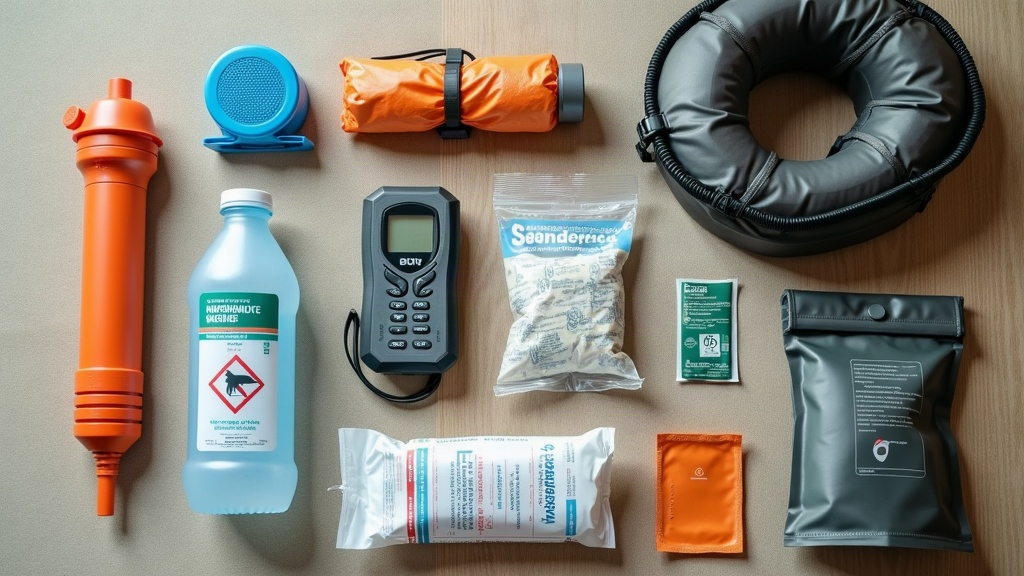
Even with insurance, the first 72 hours after a flood are critical. Power may be out, roads closed, and water supplies contaminated. Your kit should focus on three categories: water, health, and documents.
Water
Floodwater can render municipal supplies unsafe. Store at least one gallon per person per day for three days, and consider a portable water‑purification solution.
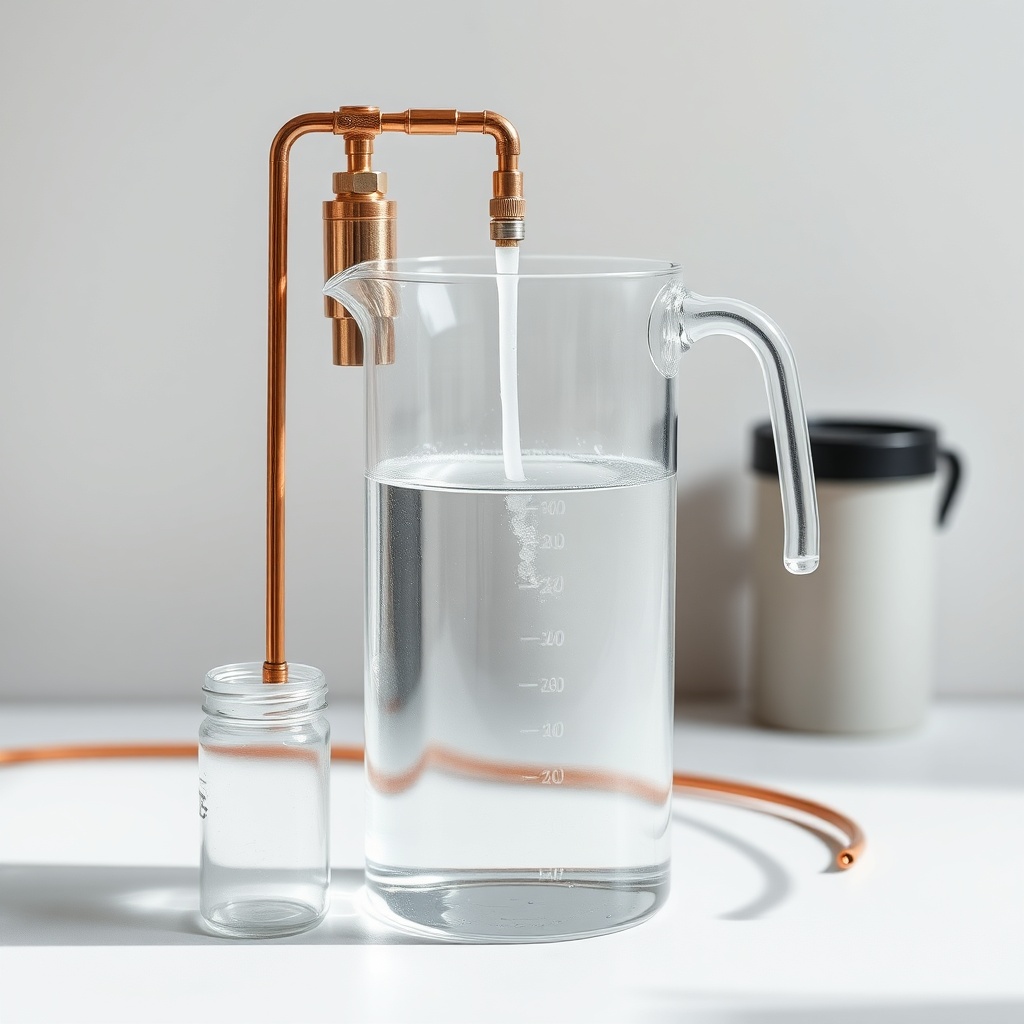
📦 Recommended: Water Freedom System
A compact filtration unit that turns contaminated floodwater into safe drinking water, ensuring your family stays hydrated when municipal lines are down.
Health & Safety
Include N95 respirators, waterproof gloves, sturdy boots, and a basic first‑aid kit. If you’re concerned about waterborne illnesses, a medical reference guide can be a lifesaver.
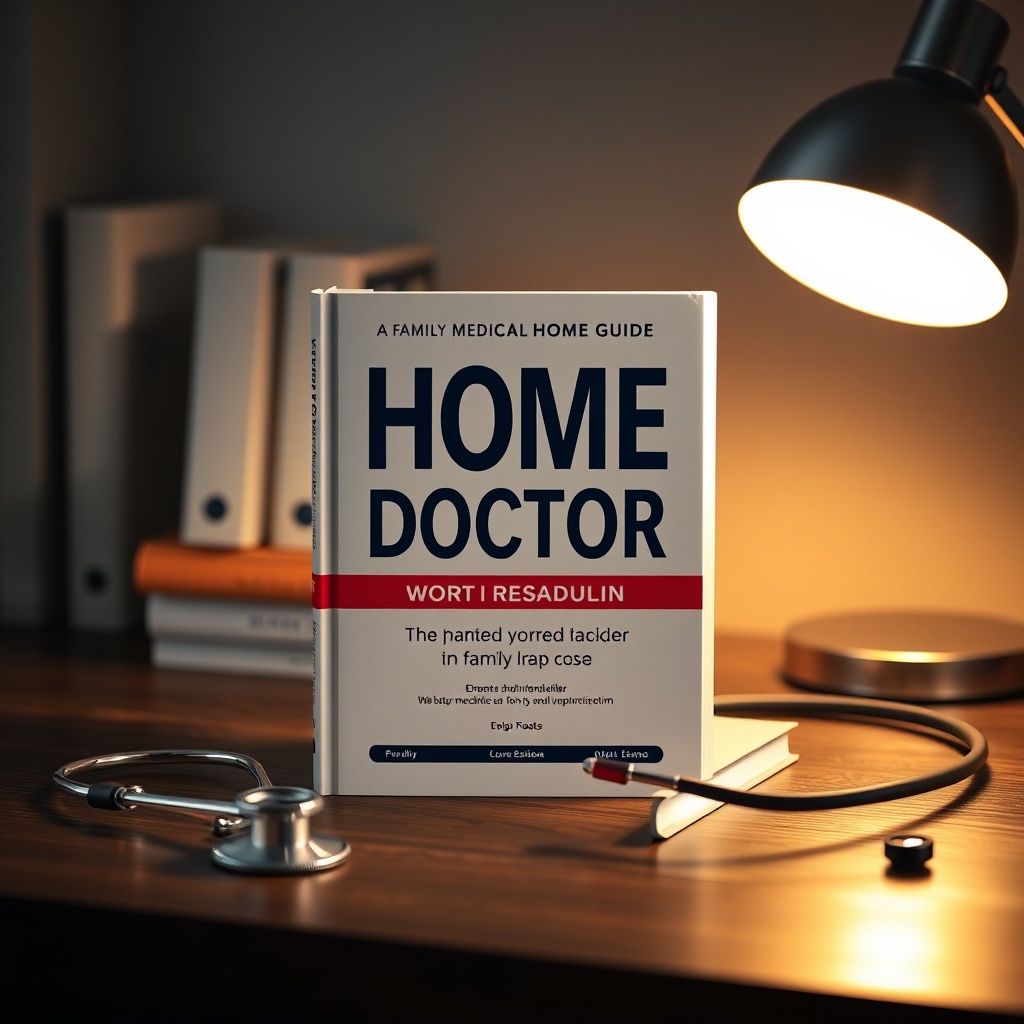
📦 Recommended: Home Doctor
A practical guide to treating water‑related injuries and illnesses when medical facilities are inaccessible after a flood.
Important Documents
Store deeds, insurance policies, medical records, and birth certificates in a waterproof, fire‑rated container. Duplicate each file digitally and protect the copies with a strong password and two‑factor authentication. In a flood, a sealed container plus a cloud backup ensures you can file claims without scrambling for paperwork.
Step 4 – Prepare Your Home’s Physical Defense
While insurance covers the financial loss, reducing the amount of water that reaches your interior buys you time and limits damage.
- Elevate valuables: Move furniture, electronics, and stored items at least 12–18 inches above the anticipated flood level. Use sandbags or temporary platforms for short‑term elevation.
- Clear gutters and downspouts: Debris can cause overflow that pours water onto the foundation. Clean them at least twice a year, especially before the rainy season.
- Seal basement openings: Install watertight doors or flood panels on basement doors and vent openings.
- Install check valves: These prevent backflow into drains and sewage lines.
Remember the classic safety mantra: “Turn Around, Don’t Drown”. Six inches of moving water can knock a person down, and just one foot can sweep a car off the road. If you see fast‑rising water, move to higher ground immediately.
Step 5 – Practice Evacuation and Post‑Flood Cleanup
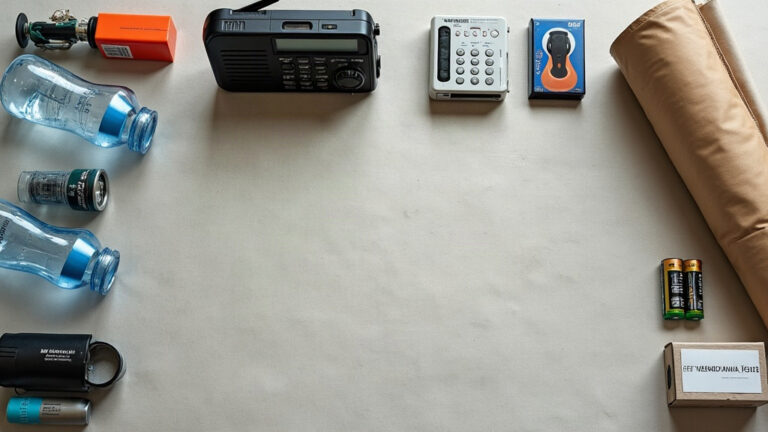
Confidence comes from rehearsal. Walk the evacuation route to the nearest safe zone, note the location of higher ground, and keep a portable radio or a battery‑powered weather alert device handy.
Evacuation Drill Checklist
- Identify two evacuation routes.
- Assign a meeting point on higher ground.
- Practice moving essential items (keys, documents, emergency kit) in under two minutes.
Safe Cleanup After the Water Recedes
When the floodwaters recede, wear PPE (N95 mask, waterproof boots, heavy‑duty gloves). Follow these steps:
- Turn off electricity at the breaker before entering wet areas.
- Inspect structural damage – look for warped floors, cracked walls, and compromised foundations.
- Test water for contamination before using it for drinking or cooking.
- Discard any food that was in contact with floodwater; even sealed containers can be compromised.
- Dry out the home with dehumidifiers and fans to prevent mold growth.
Document all damage with photos for insurance claims. Keep receipts for any emergency repairs – they are often reimbursable under NFIP policies.
Quick Answers to Your Most Common Questions
- How do I find out if my home is in a flood zone? Use FEMA’s Flood Map Service Center and enter your address.
- Does homeowners insurance cover flooding? No – you need a separate flood policy through NFIP or a private carrier.
- How long before flood insurance takes effect? Typically 30 days after purchase, unless you’re buying after a federal disaster declaration.
- How much moving water does it take to sweep away a car? Just one foot of fast‑moving water can carry a vehicle off the road.
- How do I protect important documents from a flood? Store them in a waterproof container and keep digital backups with strong passwords.
- How do I safely clean up after a flood? Wear PPE, shut off power, test water quality, discard contaminated food, and dry the structure quickly.
What to Do Next – Your 72‑Hour Flood Readiness Checklist
- Check your address on the FEMA Flood Map Service Center; note the zone designation.
- If you’re in an eligible zone, purchase NFIP flood insurance today (remember the 30‑day waiting period).
- Assemble a 72‑hour kit with water, food, PPE, medication, and waterproofed documents.
- Elevate furniture and valuables above potential flood levels; clear gutters and install check valves.
- Run a family evacuation drill and keep a list of local shelters and higher‑ground routes.
Get real disaster prep — decoded from FEMA, NOAA & USGS.
One short email when something actually matters for your zip code. No spam, ever.