
What Isaias’s Current Threat Means for You
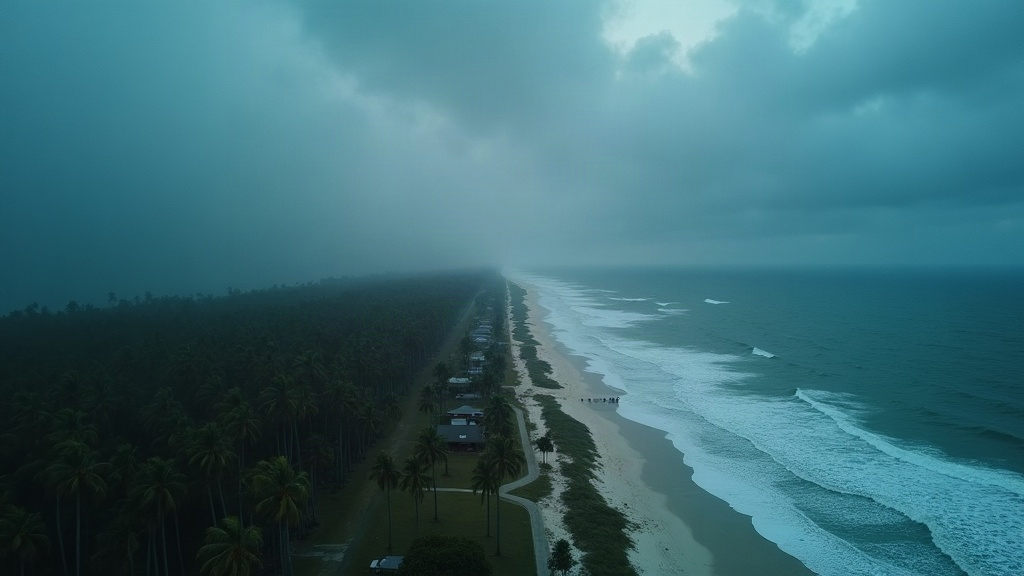
As of the latest NOAA advisory (issued 2026‑10‑07 09:00 UTC), Tropical Storm Isaias has formed in the Gulf of Mexico and is tracking east‑northeast at 12 mph. The projected cone now brushes the eastern Texas‑Louisiana coastline, with maximum sustained winds of 50 mph and a storm surge potential of 2‑4 feet. FEMA’s updated evacuation zone map (Version 4.2) places coastal counties — including Calcasieu, Cameron, and Jefferson — in Zones A and B, meaning mandatory evacuations are possible if surge exceeds 3 feet.
Your county's real disaster history, what to do first, and what to keep at home. Free, and it shows up right here.
🔒 We never sell your email. Unsubscribe in one click.
USGS river‑gauge data shows the Neches and Sabine rivers rising 1‑2 feet above normal, a sign that inland flooding could accompany heavy rain bands. In practical terms, you have roughly 72 hours before conditions could become life‑threatening. This is the window to verify your 72‑hour readiness, secure your property, and confirm evacuation routes.
72‑Hour Home Hardening Checklist
Hardening your home is the first line of defense. Follow these steps, ordered by impact:
1. Secure Openings
- Install storm shutters or impact‑resistant glass on all ground‑floor windows. If you lack permanent shutters, apply plywood (5/8‑inch) with hurricane‑grade screws.
- Brace garage doors with a commercial bracing kit; a compromised garage can become a wind tunnel.
- Seal exterior wall openings—vents, utility penetrations, and crawl‑space doors—with flood‑rated covers.
2. Trim Trees & Anchor Outdoor Items
- Cut branches within 10 feet of the roof; loose limbs become projectiles.
- Secure patio furniture, grills, and decorative planters with ratchet straps or move them to an interior space.
3. Reinforce Roof & Decks
- Check roof decking for loose shingles; replace any that are missing or damaged.
- Install deck‑to‑house connectors to prevent deck uplift.
4. Flood‑Proof Ground‑Level Areas
- Place sandbags at low‑lying doorways and garage entries.
- Elevate critical appliances (water heater, furnace) above the anticipated surge height.
Essential Supplies: Food, Water, Medicine
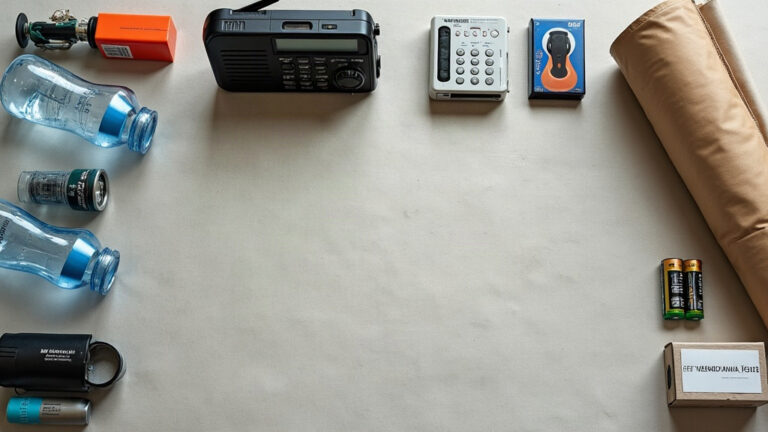
The classic 3‑day minimum still applies, but with a storm that could linger, aim for a 5‑day reserve when possible.
Water
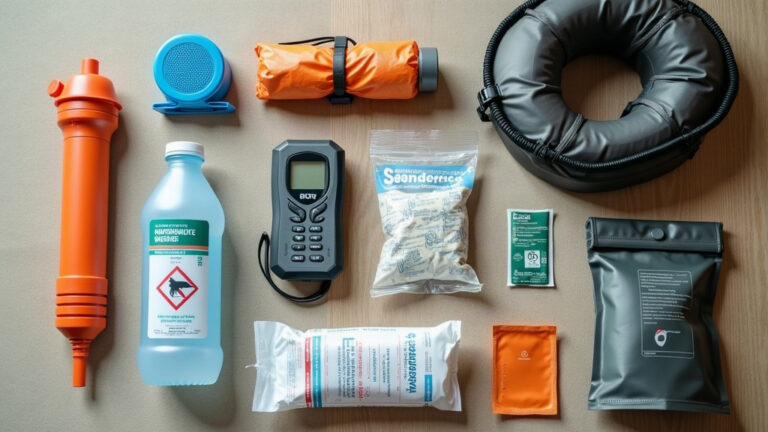
Store at least one gallon per person per day. For a family of four, that’s 20 gallons for five days. Consider a compact water‑purification system for post‑storm contamination.

📦 Recommended: Water Freedom System
A portable filtration unit that turns contaminated storm water into safe drinking water—essential when municipal supply is compromised.
Food
Non‑perishable items with a long shelf life—canned beans, ready‑to‑eat meals, high‑energy bars—should total 2,000 calories per person per day. Include a manual can opener.
Medicine & First Aid
Keep a 5‑day supply of prescription meds, a basic first‑aid kit, and over‑the‑counter pain relievers. A compact medical reference guide can be a lifesaver when pharmacies are closed.

📦 Recommended: Home Doctor
A digital guide that walks you through common injuries and illnesses when emergency responders are delayed.
Family Evacuation and Communication Plan
Even with a fortified home, evacuation may become mandatory. Follow these steps now:
- Identify Routes: Use FEMA’s interactive map to locate the nearest Tier‑1 evacuation routes (highways I‑10, US‑90) and secondary roads in case of congestion.
- Designate a Meeting Point: Choose a safe location outside the flood zone—such as a relative’s house 50 miles inland or a community shelter listed on the Red Cross website.
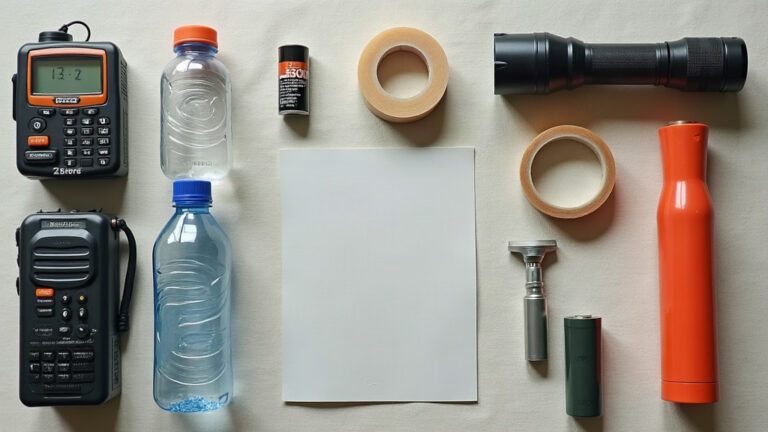
- Communication Method: Agree on an out‑of‑area contact (a friend in another state) and a primary channel (text, family group chat, or a NOAA weather radio with SOS function).
- Vehicle Prep: Fill gas tanks, check tire pressure, and keep a “go‑bag” in each vehicle with blankets, snacks, and a copy of your evacuation checklist.
Insurance, Documents, and Flood Coverage
Many homeowners assume their standard policy covers storm damage, but flood loss is a separate peril.
Insurance Check‑Up
- Review your homeowner’s policy for wind‑damage limits; consider an endorsement for roof replacement if needed.
- Purchase a separate flood policy through the NFIP or a private carrier—homeowners insurance does not cover flood water.
Protect Vital Documents
- Scan and store digital copies of deeds, insurance policies, birth certificates, and medical records in a cloud service (Google Drive, Dropbox) and on a waterproof external SSD.
- Keep a sealed, waterproof envelope with hard copies in a fire‑rated safe on the upper floor.
What to Do Next
Use this concise checklist to confirm you’re ready before the next 72‑hour window closes:
- Secure all exterior openings with shutters or plywood; brace garage doors.
- Trim trees, anchor or move outdoor furniture, and sandbag vulnerable doorways.
- Assemble a 5‑day food, water, and medical supply kit; place the Water Freedom System within easy reach.
- Finalize evacuation routes, meeting point, and communication plan; ensure each family member has a copy.
- Verify flood insurance coverage and store digital copies of critical documents in a cloud backup.
By taking these steps now, you reduce risk, protect your family’s health, and avoid costly damage.
Get real disaster prep — decoded from FEMA, NOAA & USGS.
One short email when something actually matters for your zip code. No spam, ever.