
Drought is a slow-onset disaster that can devastate communities, agriculture, and water systems over months or years.
Why Drought Preparedness Matters Now
Climate projections indicate drought will intensify across the western US.
Essential Drought Preparedness Steps
- Reduce household water consumption
- Store emergency water (1 gallon/person/day for 7 days)
- Invest in water purification
- Landscape with drought-resistant plants
- Understand your water source
- Monitor US Drought Monitor weekly
- Prepare for increased wildfire risk
- Protect your well if applicable
Drought Preparedness City Guides
Our team creates detailed, city-specific preparedness guides using real-time data from FEMA, NOAA, and USGS.
New city guides are published regularly. Check back often or browse our homepage for the latest additions.
🛒 Recommended Products
These products have been tested and validated by our team. We recommend them based on quality, reliability, and effectiveness for emergency preparedness.
Your county's real disaster history, what to do first, and what to keep at home. Free, and it shows up right here.
🔒 We never sell your email. Unsubscribe in one click.

LifeStraw Personal Water Filter – Hiking, Camping & Emergency
Removes 99.999999% of waterborne bacteria and parasites. The gold standard in portable water filtration for drought emergencies.
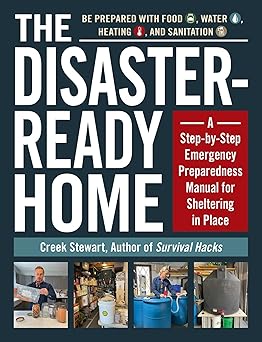
The Disaster-Ready Home: Emergency Preparedness Manual
Comprehensive guide to water storage, conservation, and emergency preparedness — essential reading for drought-prone regions.
Frequently Asked Questions
How is drought severity measured?
The US Drought Monitor uses five categories: D0 (Abnormally Dry) through D4 (Exceptional Drought). Updates published every Thursday.
How much water does the average American use?
About 82 gallons per day at home. During drought, reducing to 50 gallons is achievable and significantly reduces community demand.
Can I use pool water?
For non-drinking purposes yes. For drinking, it must be treated. It should not be your primary source but is a valuable supplemental supply.
What are Stage 4 water restrictions?
Prohibit all outdoor watering, car washing, pool filling. Commercial users face mandatory reductions. Fines increase dramatically.
How long can drought last?
Months, years, or decades. The current western US megadrought has persisted since approximately 2000, the driest 22-year period in 1,200 years.
Official Resources
- FEMA
- NOAA National Weather Service
- USGS
- Ready.gov
- Drought Preparedness Guide San Antonio TX: Protecting Your Home and Water Supply
- Drought Preparedness Guide Bakersfield CA: Essential Water Security Strategies
- Drought Preparedness Guide Fresno CA: Protecting Your Home and Water Supply
- Drought Preparedness Guide El Paso TX: Strategies for Water Resilience
- Drought Preparedness Guide Las Vegas NV: Essential Steps for Residents
- Drought Preparedness Guide Tucson AZ: Strategies for Water Security
Safety Disclaimer
This article is for informational purposes only and does not replace official guidance from local, state, or federal emergency management authorities.