
Last Updated: March 2025 | Based on FEMA, NOAA, and USGS data
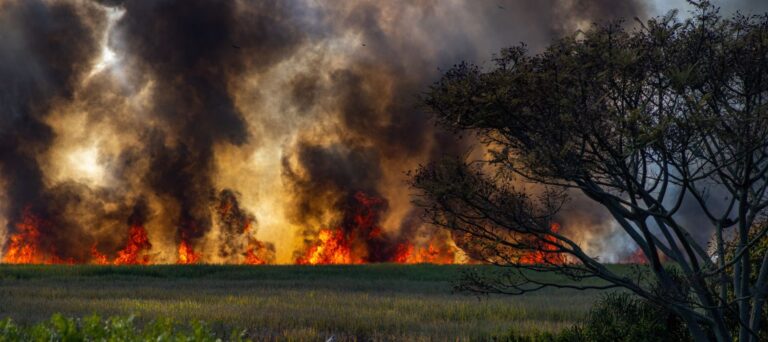
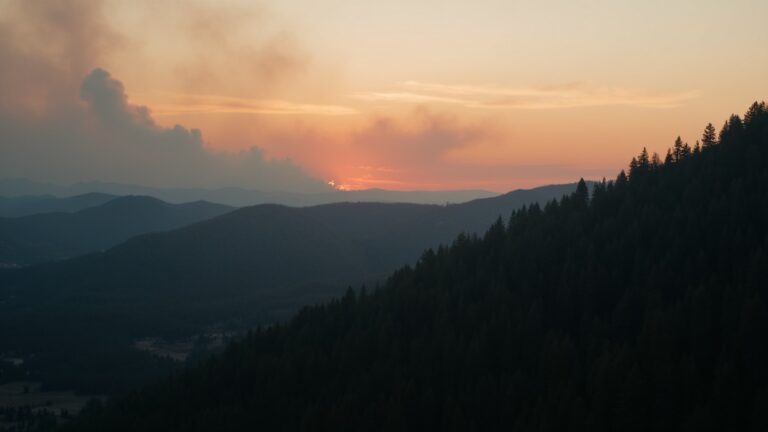
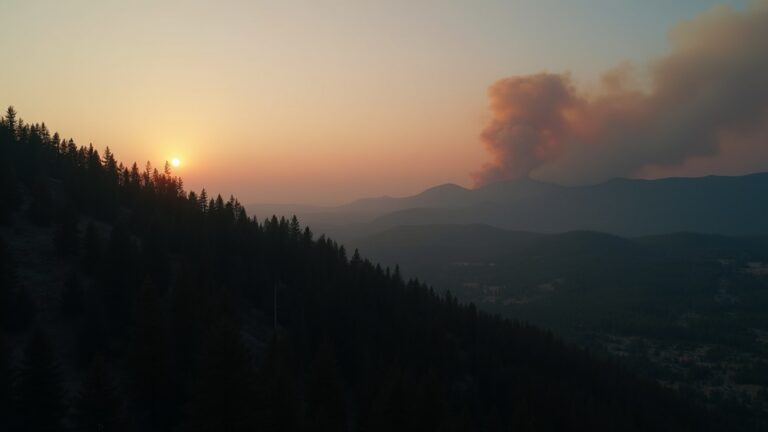
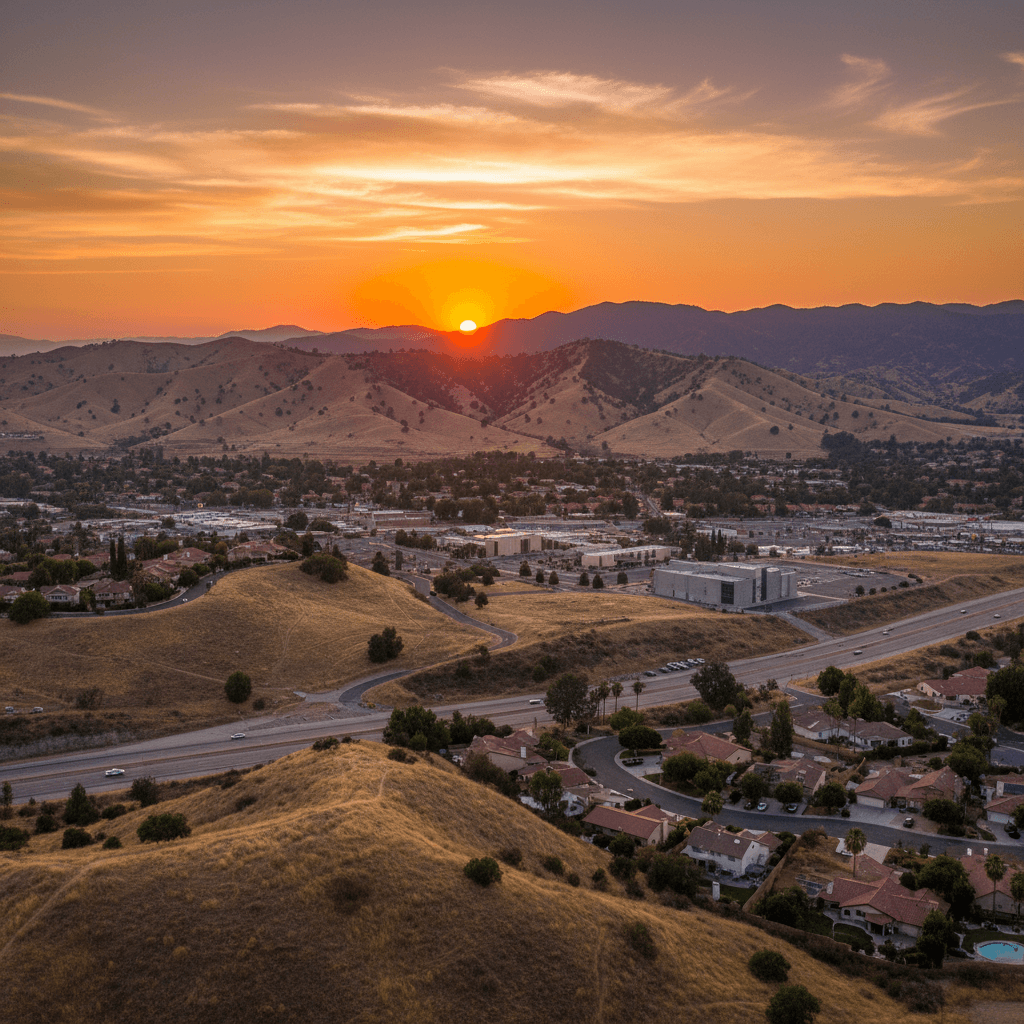
After reviewing top-rated safety equipment and cross-referencing official FEMA wildfire mitigation recommendations, we have compiled the ultimate resource for San Bernardino residents. Given the city’s unique topography and the recent seismic activity recorded by the USGS near Southern California, proactive defense against wildfire is a critical responsibility for every homeowner this spring. Our Wildfire Preparedness guide covers that defense plan in full.
Your county's real disaster history, what to do first, and what to keep at home. Free, and it shows up right here.
🔒 We never sell your email. Unsubscribe in one click.
Our Top Picks at a Glance
| Product | Best For | Key Benefit |
|---|---|---|
| Home Doctor | Medical Readiness | Treating burns and smoke inhalation |
| The Lost Book of Remedies | Natural Care | Respiratory support post-smoke exposure |
| Easy Cellar | Shelter | Long-term protection and storage |
1. Home Doctor. Best Medical Preparedness Guide
When wildfires strike San Bernardino, local emergency services may be overwhelmed or physically cut off by road closures. The Home Doctor guide is an essential manual for managing health crises without immediate access to a hospital. It provides clear, actionable protocols for treating minor burns, managing respiratory distress from smoke inhalation, and handling common injuries sustained during an evacuation. This is not just a book; it is a vital contingency plan for your home medical kit.
📦 Recommended: Home Doctor
Essential for treating smoke inhalation and burns when medical facilities are inaccessible during a San Bernardino wildfire event.
2. The Lost Book of Remedies. Best Natural Health Resource
Wildfire smoke contains fine particulate matter that can linger in the air long after the flames have been contained. The Lost Book of Remedies offers a wealth of information on natural treatments for respiratory inflammation and skin irritation. For residents in the San Bernardino foothills, where air quality can fluctuate rapidly during the spring and summer, having natural options for symptom management is a smart, low-tech way to bolster your family’s health resilience.
📦 Recommended: The Lost Book of Remedies
Provides natural remedies for respiratory and skin issues caused by wildfire smoke, keeping your family comfortable when pharmacies are hard to reach.
3. Easy Cellar. Best Long-Term Shelter Solution
For homeowners looking to secure their property against extreme fire events, the Easy Cellar provides a blueprint for creating a protected, underground space. While not a substitute for evacuation when ordered by local authorities, an underground shelter provides a secure location to store critical survival documents and supplies, shielded from the radiant heat of passing wildfires. It is a strategic investment for residents in high-risk zones.
📦 Recommended: Easy Cellar
A practical guide for building an underground shelter to protect your most critical assets from wildfire damage.
How to Choose: Buying Guide
Selecting the right preparedness tools for San Bernardino requires a focus on reliability and accessibility. When choosing equipment, prioritize items that function without grid power, such as manual medical guides or robust storage solutions. Ensure that any product you purchase is portable enough to move into a “go-bag” if you are forced to evacuate on short notice. Always check that your safety manuals are printed, as digital access is unreliable during power outages often triggered by fire activity in the region.
Frequently Asked Questions
Is San Bernardino at high risk for wildfires?
Yes, San Bernardino is located in a high-risk area due to its proximity to the San Bernardino National Forest and the influence of Santa Ana winds. Residents should maintain defensible space year-round.
What should I do if a wildfire alert is issued?
Monitor local news and follow directives from the San Bernardino County Fire Department. Prepare your go-bag and be ready to evacuate immediately if the order is given.
Are there active wildfire alerts in California right now?
As of current NOAA data, there are no active wildfire warnings for the San Bernardino area, though conditions can change rapidly. Check weather.gov for daily updates.
How do I create defensible space?
Clear dry vegetation, dead leaves, and debris at least 30 to 100 feet from your home. Trim low-hanging tree branches to prevent fire from climbing into the canopy.
How often should I update my emergency kit?
Check your emergency supplies every six months, ideally during the spring and fall, to ensure food, water, and medical supplies have not expired.
Get real disaster prep, decoded from FEMA, NOAA & USGS.
One short email when something actually matters for your zip code. No spam, ever.