

Last Updated: May 2026 | Based on FEMA/NOAA/USGS data
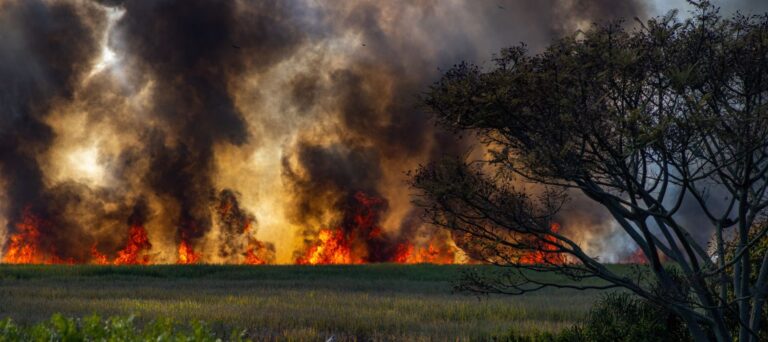
Effective wildfire preparedness in Riverside, CA, requires proactive home hardening and a well-rehearsed evacuation plan before the peak fire season intensifies. As of May 5, 2026, NOAA reports no active wildfire watches or warnings for the region, but residents should remain vigilant as the transition into warmer months increases the risk of brush fires in the Inland Empire.
Your county's real disaster history, what to do first, and what to keep at home. Free, and it shows up right here.
🔒 We never sell your email. Unsubscribe in one click.
Key Takeaways
- Riverside’s topography and climate make it a high-risk area for wildland-urban interface fires.
- Defensible space around your property is the first line of defense against ember intrusion.
- Emergency evacuation routes can become congested; identify multiple exit paths from your neighborhood.
- Maintaining a “Go-Bag” with essential documents and medical supplies is critical for rapid departure.
- Register for local emergency alerts through the City of Riverside’s official notification system.
Understanding Wildfire Risk in Riverside, California
Riverside is uniquely positioned within a region prone to Santa Ana wind events, which can rapidly accelerate fire spread. According to FEMA’s National Risk Index, communities bordering open space and canyons face elevated threats from wildfire ignition. While the USGS tracks seismic activity, recently recording a 2.6 magnitude event near Naalehu, Hawaii, with no local impact, the primary environmental hazard for Riverside during spring and summer remains wildfire. Understanding your specific home’s location relative to high-fuel zones is essential for effective mitigation.
How to Prepare for Wildfire: Step-by-Step
Step 1: Create Defensible Space
Clear all flammable vegetation at least 30 feet from your home. Remove dead leaves, debris, and low-hanging tree branches that could provide a ladder for flames to reach your roof.
Step 2: Harden Your Home
Install ember-resistant vents and ensure your roof is constructed of fire-rated materials. Seal gaps around doors and windows to prevent embers from entering the structure during high-wind events.
Step 3: Develop an Evacuation Plan
Identify at least two ways out of your neighborhood. Practice these routes with your family during different times of the day to understand potential traffic bottlenecks.
Step 4: Build Your Emergency Kit
Assemble a “Go-Bag” that includes non-perishable food, water, a hand-crank radio, and copies of vital insurance and identification documents.
Step 5: Stay Informed
Monitor local weather reports from the National Weather Service and sign up for Riverside’s emergency notification systems to receive real-time alerts.
📦 Recommended: Home Doctor
When wildfires threaten, medical facilities may become overwhelmed or inaccessible. This essential guide provides critical protocols for treating smoke inhalation and minor burns in a home setting.
Essential Emergency Kit for Riverside Residents
- One gallon of water per person per day for at least three days
- Three-day supply of non-perishable food
- Battery-powered or hand-crank radio with NOAA weather alerts
- Flashlights and extra batteries
- First aid kit with burn dressings
- Whistle to signal for help
- Dust masks (N95) to filter contaminated air
- Wrench or pliers to turn off utilities
- Manual can opener
- Local maps and emergency contact list
- Cash in small denominations
- Prescription medications and glasses
Local Resources
For the most current information, visit the City of Riverside Fire Department and the Riverside County Fire Department websites. Always follow evacuation orders issued by local authorities immediately.
Frequently Asked Questions
How can I tell if my home is in a high-risk wildfire zone?
Check the California Department of Forestry and Fire Protection (CAL FIRE) Fire Hazard Severity Zone maps for Riverside County to see your property’s specific risk rating.
What should I do if I see smoke?
Do not wait for an official order if you feel threatened. Report the fire by calling 911 immediately and begin your evacuation plan if your area is under an advisory.
How often should I update my emergency kit?
Review your kit every six months, specifically checking expiration dates on food, water, and medications, and ensuring your contact list is current.
Can I stay in my home during a wildfire?
If an evacuation order is issued, you must leave. Staying behind puts your life and the lives of first responders at significant risk.
How do I protect my pets during a wildfire?
Include pet carriers, leashes, and a three-day supply of pet food in your emergency kit. Ensure your pets are microchipped and have current ID tags.
Get real disaster prep, decoded from FEMA, NOAA & USGS.
One short email when something actually matters for your zip code. No spam, ever.