
Last Updated: March 2026 | Based on FEMA/NOAA/USGS data
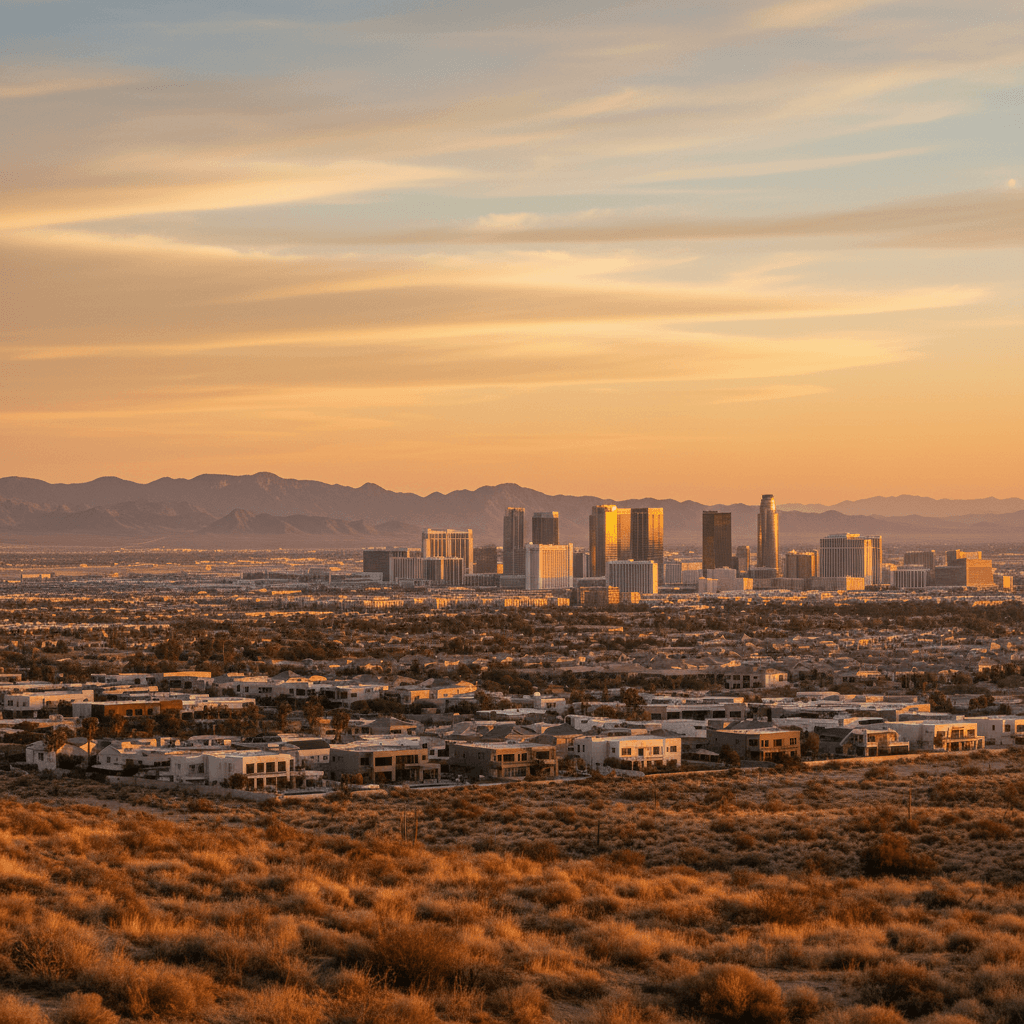
Effective wildfire preparedness guide Las Vegas NV strategies are vital for residents living in the wildland-urban interface of the Mojave Desert. While Las Vegas is primarily an urban environment, surrounding mountain ranges and dry desert scrub present significant fire risks during the spring season. Proper vegetation management and household readiness are your best defenses against rapidly spreading brush fires.
Your county's real disaster history, what to do first, and what to keep at home. Free, and it shows up right here.
🔒 We never sell your email. Unsubscribe in one click.
Key Takeaways
- Create and maintain a 30-to-100-foot defensible space around your home to slow fire progression.
- Register for local emergency alerts through the Clark County emergency notification system.
- Prepare a “go-bag” with essential documents, medications, and supplies for immediate evacuation.
- Monitor local weather patterns, as high winds and low humidity significantly increase fire danger.
- Develop a communication plan to ensure all family members know how to reconnect during an emergency.
Understanding Wildfire Risk in Las Vegas, Nevada
While urban centers are dense, the perimeter of Las Vegas is surrounded by arid landscapes prone to rapid ignition. According to FEMA, wildfire behavior is driven by topography, fuel load, and weather conditions. In the spring, dry desert winds can transport embers over long distances, threatening homes even if they are not directly adjacent to large brush areas. USGS data continues to monitor seismic activity globally, but for local fire management, residents should look to the National Weather Service for real-time red flag warnings. Currently, there are no active wildfire warnings for the immediate Las Vegas area; however, the transition to warmer temperatures necessitates increased vigilance.
How to Prepare for Wildfire: Step-by-Step
Step 1: Harden Your Home
Install ember-resistant vents and ensure your roof is composed of fire-rated materials. Clearing debris from gutters prevents flying embers from igniting your home during high-wind events.
Step 2: Establish Defensible Space
Remove dead vegetation and dry brush from your property. Within the first 30 feet of your home, use non-combustible materials like gravel or stone rather than wood mulch.
Step 3: Create an Evacuation Plan
Identify two ways out of your neighborhood. Practice your evacuation route with your family at different times of the day to account for potential traffic congestion.
Step 4: Sign Up for Alerts
Register for “Everbridge” or similar county-specific emergency alert systems. These platforms provide the fastest notifications regarding local fire activity and evacuation orders.
Step 5: Document Your Assets
Take photos or videos of your home’s interior and exterior for insurance purposes. Store these digital copies in a secure cloud account or on a portable drive in your go-bag.
Step 6: Prepare Your Go-Bag
Assemble a kit that contains essential items for at least 72 hours. This should include water, non-perishable food, medications, and copies of important identification documents.
Essential Emergency Kit for Las Vegas
- Water (one gallon per person per day)
- Non-perishable food and a manual can opener
- Battery-powered or hand-crank radio
- Flashlight with extra batteries
- First aid kit
- Whistle to signal for help
- Dust mask or N95 respirator for smoke
- Moist towelettes and garbage bags
- Wrench or pliers to turn off utilities
- Local maps and emergency contact list
- Cash in small denominations
- Prescription medications and eye glasses
Local Resources
Stay informed through official channels:
- Clark County Office of Emergency Management
- National Weather Service Las Vegas
- FEMA Wildfire Preparedness
📦 Recommended: Home Doctor
This guide is essential for treating minor burns or managing smoke inhalation symptoms when emergency services are delayed or overwhelmed during a wildfire event.
Frequently Asked Questions
What is the biggest wildfire threat in Las Vegas?
The primary threat in Las Vegas comes from brush fires in the wildland-urban interface, often exacerbated by strong spring winds that can quickly spread flames toward residential areas.
How often should I update my emergency kit?
You should audit your kit at least every six months. Replace expired food, water, and batteries, and ensure any new medications are included.
What should I do if I see smoke?
Report the smoke to 911 immediately. Do not attempt to investigate the source, as fire behavior can change rapidly in desert conditions.
Is my insurance enough for wildfire damage?
Review your policy to ensure it covers “fire” specifically and check if your coverage limit accounts for current construction costs in the Las Vegas area.
How do I protect my pets during a wildfire?
Include pet food, extra water, and a crate in your evacuation plan. Ensure your pets are microchipped and their identification tags are up-to-date.
Get real disaster prep, decoded from FEMA, NOAA & USGS.
One short email when something actually matters for your zip code. No spam, ever.