
Last Updated: April 2026 | Based on FEMA, NOAA, and USGS data
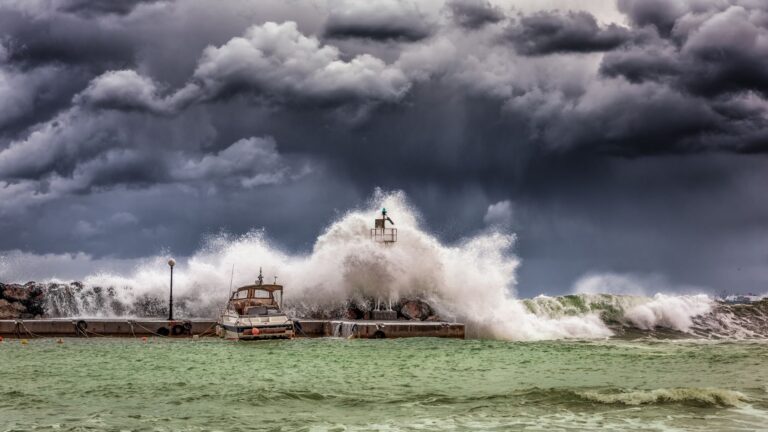
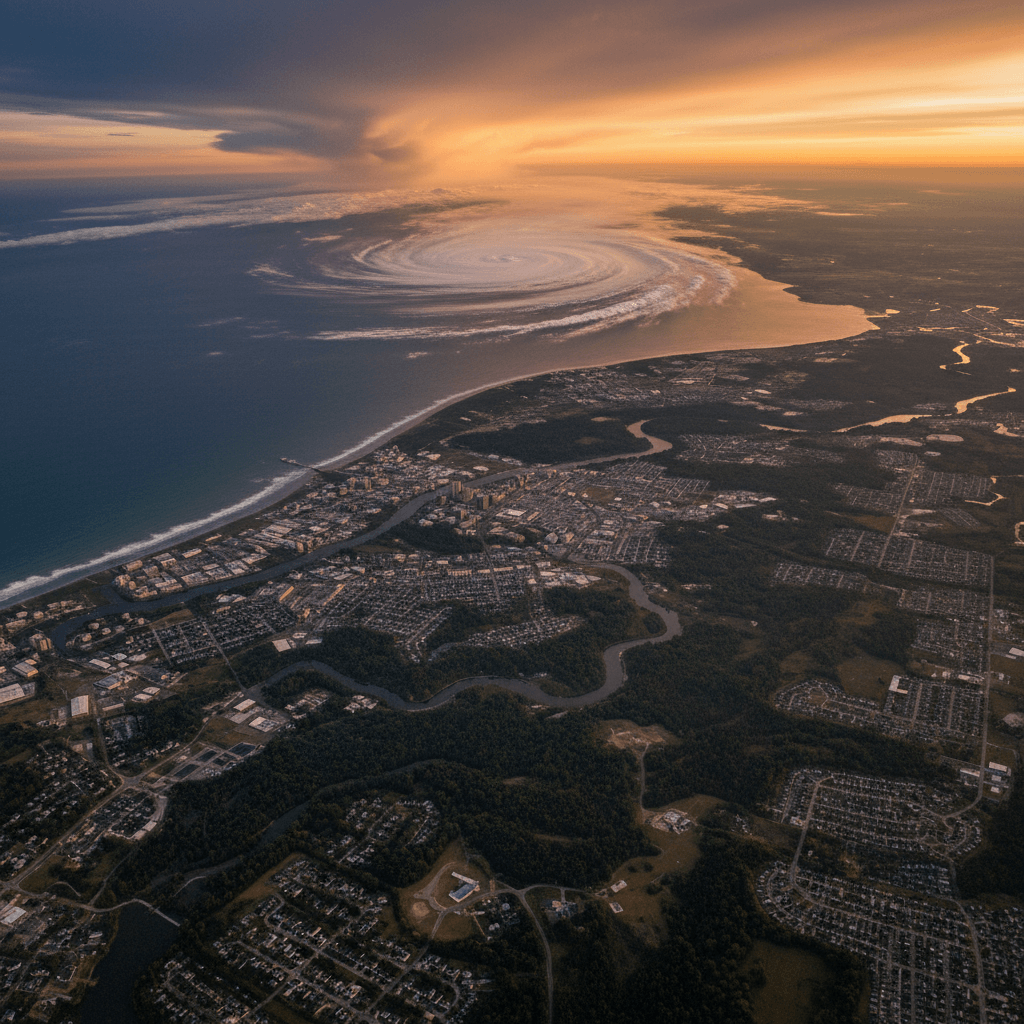
Preparing for hurricane season in Wilmington, NC, requires proactive planning before the Atlantic hurricane season officially begins on June 1st. As a coastal city, Wilmington faces significant risks from storm surge, high winds, and inland flooding, making it vital to organize your emergency protocols right now while the weather remains calm. Our Hurricane Preparedness guide covers the fundamentals behind that timeline.
Your county's real disaster history, what to do first, and what to keep at home. Free, and it shows up right here.
🔒 We never sell your email. Unsubscribe in one click.
📋 Print this checklist, keep it with your emergency supplies.
Before Hurricane Season. Wilmington Checklist
- ☐ Review Insurance Policies: Verify your homeowners or renters insurance includes wind and flood coverage, as standard policies often exclude them.
- ☐ Create a Communication Plan: Establish a meeting point and a contact list for family members, ensuring everyone knows how to reconnect if cellular networks are compromised.
- ☐ Clear Your Property: Trim tree branches near your home and secure or store loose outdoor items like patio furniture that could become projectiles in high winds.
- ☐ Document Assets: Take photos or videos of your home’s interior and exterior for insurance purposes; store these files in a secure cloud location.
- ☐ Know Your Zone: Check the National Hurricane Center maps to determine if you reside in a mandatory evacuation zone.
- ☐ Register for Alerts: Sign up for local emergency notifications through New Hanover County to receive real-time updates during severe weather.
- ☐ Maintain Your Vehicle: Keep your gas tank at least half-full during the season to ensure you have the range to evacuate if necessary.
Emergency Kit Checklist
- One gallon of water per person per day for at least three days.
- Non-perishable food items (canned goods, protein bars).
- Battery-powered or hand-crank radio (NOAA Weather Radio).
- Flashlight and extra batteries.
- First aid kit including essential medications and prescriptions.
- Whistle to signal for help.
- Dust masks to help filter contaminated air.
- Plastic sheeting and duct tape for sheltering in place.
- Moist towelettes, garbage bags, and plastic ties for personal sanitation.
- Wrench or pliers to turn off utilities.
- Manual can opener for food.
- Local maps to navigate if GPS fails.
📦 Recommended: Home Doctor
When emergency services are stretched thin or unreachable, this practical medical guide shows you how to handle injuries and illness at home — an essential reference for any disaster plan.
During Hurricane
- Monitor local news and official weather reports via battery-powered radio.
- Stay indoors and away from windows, glass doors, and skylights.
- If flooding occurs, move to a higher floor but never enter a closed attic.
- Do not go outside during the calm “eye” of the storm; winds will return suddenly from the opposite direction.
- Follow all evacuation orders issued by local officials immediately; do not delay.
- Turn off propane tanks and unplug small appliances to prevent electrical surges.
After Hurricane: Recovery Steps
- Avoid floodwaters, which may contain debris, chemicals, or downed power lines.
- Inspect your home for structural damage before re-entering if you evacuated.
- Use generators only outdoors and away from windows to prevent carbon monoxide poisoning.
- Contact your insurance provider as soon as it is safe to begin the claims process.
- Document all damage with photos before beginning any cleanup or repairs.
Frequently Asked Questions
How do I know if I need to evacuate in Wilmington?
Local officials will issue evacuation orders based on your specific zone. Always listen to New Hanover County emergency management directives rather than waiting for a storm to make landfall.
Where can I find real-time weather alerts?
Monitor the National Weather Service website for official watches and warnings specific to the Wilmington area.
What should I do if my power goes out?
Use flashlights rather than candles to minimize fire risk. Keep refrigerator doors closed to preserve food temperature for as long as possible.
Are there specific risks for Wilmington residents?
Yes, Wilmington is vulnerable to both coastal storm surge and heavy inland rainfall that can lead to flash flooding, especially in low-lying areas.
Should I board up my windows?
If a hurricane warning is issued, installing storm shutters or pre-cut plywood over windows is a highly effective way to prevent structural damage from wind-borne debris.
Get real disaster prep, decoded from FEMA, NOAA & USGS.
One short email when something actually matters for your zip code. No spam, ever.