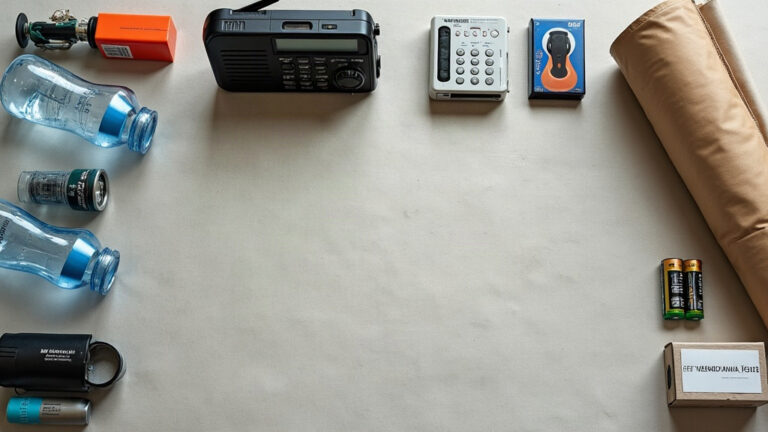

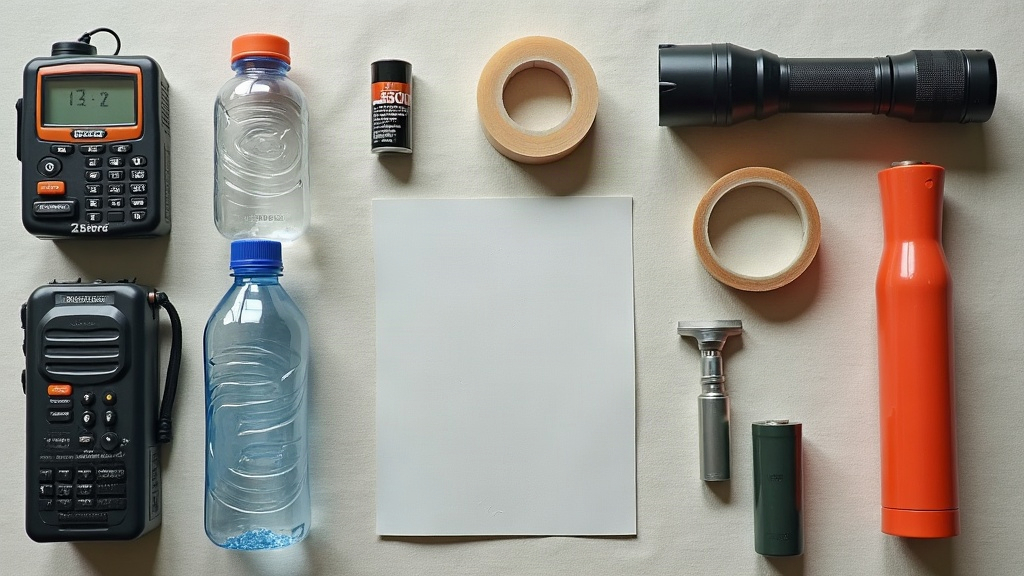
Hurricane Isaias recently left nearly 400,000 Florida customers without power, a stark reminder that grid resilience is not guaranteed during major storms. For homeowners in hurricane zones, the period immediately following landfall is often the most critical. Without electricity, refrigeration fails, communication networks degrade, and basic lighting ceases. This article provides a practical, non-alarmist guide to building a 72-hour power outage resilience plan, ensuring your household can sustain itself safely until utilities are restored.
Your county's real disaster history, what to do first, and what to keep at home. Free, and it shows up right here.
🔒 We never sell your email. Unsubscribe in one click.
Assessing Your Structural Vulnerabilities
Before stocking supplies, you must understand where your home is most at risk. The most vulnerable part of a house in a hurricane is typically the roof and garage door. Wind pressure can lift roof shingles or force garage doors inward, creating a vacuum effect that compromises the entire structure. To mitigate this, inspect your roof for loose shingles and consider installing impact-resistant windows or storm shutters. If you have a standard garage door, reinforce it with a cross-brace or a dedicated garage door brace kit to withstand wind pressure. Additionally, secure or move all outdoor furniture, grills, and debris. These items become dangerous projectiles in high winds. Trimming trees that overhang your roofline also reduces the risk of branch breaks that could puncture your roof or damage power lines.
The 72-Hour Supply Standard
FEMA and NOAA recommend keeping a minimum of three days’ worth of food and water for each person in your household. This is the baseline for a ’72-hour reality check.’ For water, the standard is one gallon per person per day. For a family of four, that is 12 gallons for three days. Store water in food-grade containers and rotate every six months. For food, choose non-perishable items that do not require cooking or refrigeration, such as canned goods, energy bars, and dried fruits. You should also include a manual can opener, as electric ones will be useless during a blackout. If you have infants, seniors, or individuals on specific medical diets, plan for longer storage durations, as their supplies may run out faster or require specific preparation methods.
One of the most significant risks during a hurricane is water contamination. Storm surge and heavy rainfall can overwhelm local water treatment facilities, leading to discolored or unsafe tap water. If the grid is down, you cannot rely on boiling water as your primary purification method if fuel is scarce. A reliable backup water source is essential for hygiene and drinking when the municipal supply is compromised.
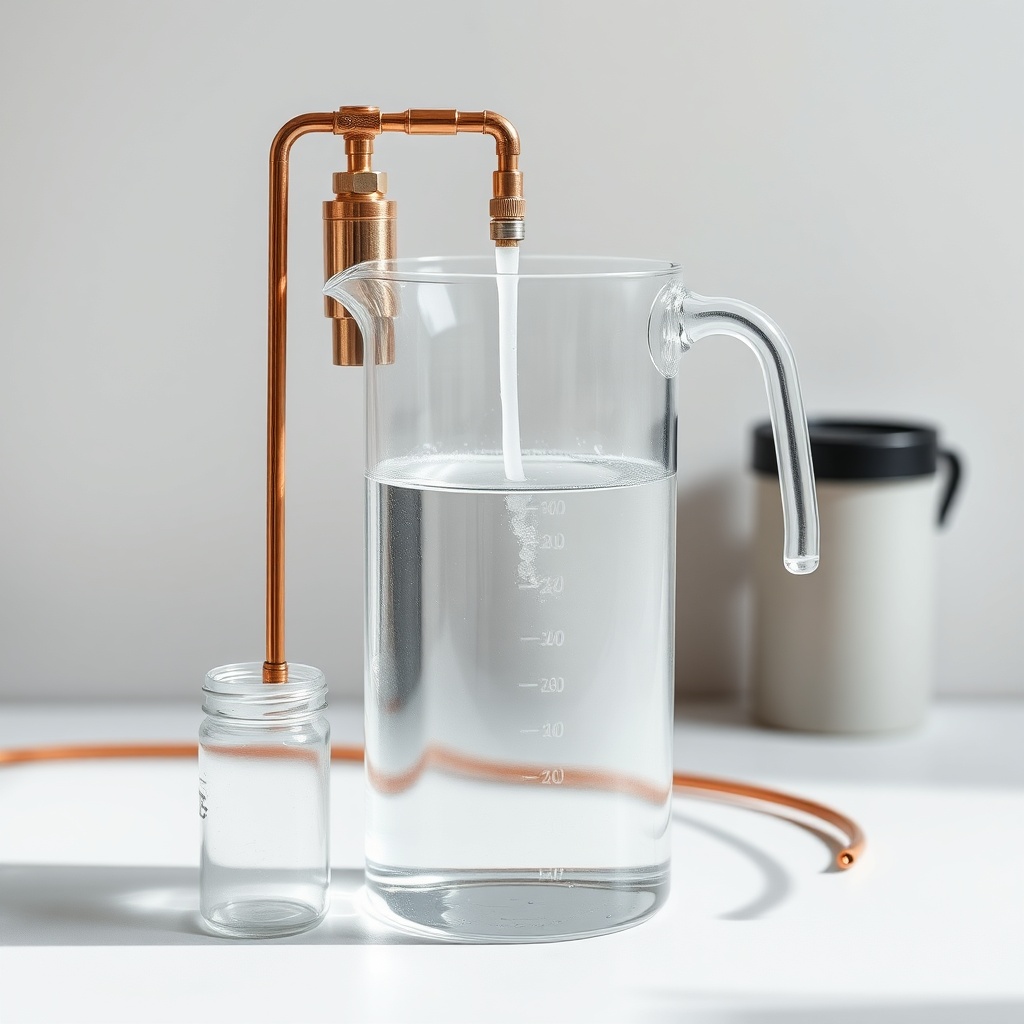
📦 Recommended: Water Freedom System
When hurricanes contaminate local water supplies, this system helps you generate clean, safe drinking water at home, ensuring your family stays hydrated without relying on compromised infrastructure.
Power, Light, and Communication Strategy
Electricity is the backbone of modern life, but it is also the first utility to fail during a hurricane. A portable power station is a critical investment for homeowners. Unlike gas generators, which pose carbon monoxide risks and require fuel storage, portable power stations are silent, clean, and can be charged in advance. Look for units with a capacity of at least 1,000Wh to run essential devices like CPAP machines, small fans, and charging stations for phones and laptops. For lighting, rely on battery-operated LED lanterns and headlamps rather than candles, which are a fire hazard. Keep a backup battery bank for your phone, as cell towers may be offline, and satellite messengers are a reliable backup for critical communication if local networks fail.
Medical readiness is equally important. In the chaos following a landfall, emergency services may be overwhelmed or inaccessible. You need a stocked first aid kit that goes beyond basic bandages. Include trauma supplies, over-the-counter pain relievers, and any prescription medications for at least two weeks. Understanding basic first aid for cuts, burns, and heat exhaustion is vital. If you are not a medical professional, consider a home health guide that provides clear, step-by-step instructions for treating common injuries when professional help is delayed.
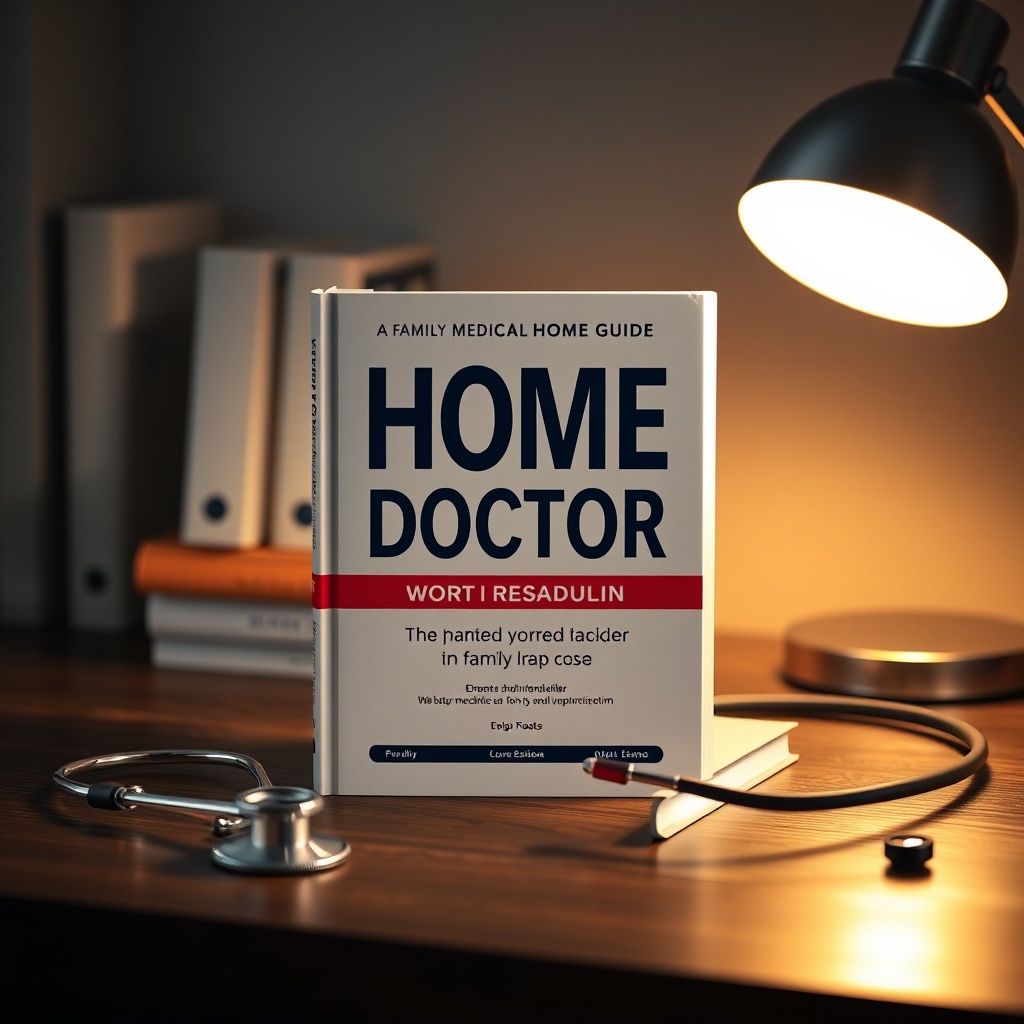
📦 Recommended: Home Doctor
Treat injuries and manage health concerns at home with confidence. This resource provides practical guidance for when emergency services are stretched thin during a hurricane aftermath.
Documents, Insurance, and Evacuation Planning
Paperwork and insurance are often overlooked until it is too late. Homeowners insurance typically covers wind damage but explicitly excludes flood damage. If you live in a flood zone, you must purchase a separate flood policy through the National Flood Insurance Program (NFIP) or a private carrier. Review your policy annually to ensure your coverage limits reflect the current replacement cost of your home. Keep digital copies of your insurance policies, deeds, birth certificates, and medical records in a secure cloud storage service and on an encrypted external hard drive. Store physical copies in a waterproof, fireproof document box.
Your family evacuation plan must be specific. Determine your primary and secondary evacuation routes, avoiding low-lying areas prone to flooding. Establish a meeting point outside your neighborhood in case you are separated. Know when to evacuate: if local authorities issue a mandatory evacuation order, comply immediately. Do not delay due to traffic or weather uncertainty. If you choose to shelter in place, stay in a small interior room on the lowest floor, away from windows, and wear protective clothing such as long sleeves and sturdy shoes to guard against flying debris.
What to Do Next
- Conduct a Home Audit: Check your roof, garage door, and windows for vulnerabilities. Secure or remove outdoor debris and trim overhanging branches.
- Stock 72-Hour Supplies: Assemble one gallon of water per person per day and non-perishable food for three days. Include a manual can opener and batteries.
- Secure Power and Light: Purchase a portable power station and stock LED lanterns. Avoid open flames for lighting.
- Verify Insurance Coverage: Confirm your policy excludes flood damage and purchase a separate flood policy if necessary. Back up digital documents in the cloud.
- Finalize Evacuation Plan: Map two evacuation routes, designate a meeting point, and ensure all family members know the plan.
Preparedness is not about fear; it is about control. By addressing these structural, supply, and planning gaps, you transform a potential crisis into a manageable situation. Start small, update your kit annually, and stay informed through NOAA Weather Radio and local emergency management channels.
Get real disaster prep — decoded from FEMA, NOAA & USGS.
One short email when something actually matters for your zip code. No spam, ever.