
A magnitude 6.0 earthquake near Honaunau-Napoopoo, Hawaii, is a timely reminder that seismic readiness is not about guessing when the next event will happen, it is about being ready when it does. For homeowners in Hawaii and other earthquake-prone states, the goal is simple: keep your family safe, self-sufficient, and calm for at least 72 hours after shaking stops. Our Earthquake Preparedness guide covers the fundamentals of that readiness in more depth.
Your county's real disaster history, what to do first, and what to keep at home. Free, and it shows up right here.
🔒 We never sell your email. Unsubscribe in one click.
USGS reported this event at magnitude 6.0, with a depth of about 22.64 km. That depth can still produce strong shaking at the surface, which matches the USGS ShakeMap and DYFI reports showing maximum intensity at level VII. In plain English, intensity VII means shaking strong enough to knock over unsecured objects, damage weak structures, and make standing difficult. The PAGER alert was yellow, which signals possible localized impacts and a need for situational awareness, not a nationwide emergency response. For homeowners, the takeaway is practical: prepare for utility outages, disrupted roads, aftershocks, and limited access to stores or services.
What the USGS data means for a homeowner
USGS earthquake pages include several pieces of information that are worth understanding before the next aftershock or larger quake arrives:
- Magnitude 6.0: A moderate earthquake capable of causing damage, especially where homes, shelves, water heaters, or unreinforced masonry are vulnerable.
- ShakeMap VII: Strong shaking. This level is associated with nonstructural damage, broken items, and people being thrown off balance.
- DYFI VII: “Did You Feel It?” reports confirm that many people experienced strong shaking. That matters because local experience often reveals where damage and outages are most likely.
- PAGER Yellow: USGS expects limited but meaningful impacts. It is a heads-up to check your home, family plan, and supplies.
For a homeowner, this means the immediate priority is not panic. It is to verify your home is safe to re-enter, account for everyone, and be ready for the next 24 to 72 hours of disruption. Earthquakes often create secondary problems: cracked gas lines, broken water service, power loss, blocked roads, and communications overload.
Your 72-hour earthquake kit: the FEMA baseline
FEMA’s emergency supply guidance is built around the idea that households should be able to operate independently for at least three days. That is the right mindset for earthquakes, because local services may be delayed even when the damage is not catastrophic. A good 72-hour kit should cover water, food, light, information, medical needs, and comfort.
Start with the essentials
- Water: Store one gallon per person per day, plus extra for cooking and hygiene if possible.
- Food: Shelf-stable foods that do not require cooking or much water, and a manual can opener.
- Lighting: Flashlights, headlamps, and spare batteries. Avoid relying on candles after a quake if gas leaks are possible.
- Power: Phone chargers, a battery bank, and a car charger.
- First aid: Bandages, antiseptic, gloves, pain relievers, and any prescription medications.
- Documents: Copies of IDs, insurance, medical info, and emergency contacts in a waterproof pouch.
- Tools: Wrench or shutoff tool for gas and water valves if appropriate for your home.
In earthquake zones, water matters more than many homeowners expect. A broken main or damaged service line can leave you without clean water even when your house is otherwise livable. That is why a dedicated water-storage solution can be worth the investment if you are serious about 72-hour readiness.

📦 Recommended: SmartWaterBox
After a quake, water service can be interrupted even if damage seems minor. A reliable storage solution helps you stay self-sufficient while crews assess lines, pumps, and treatment systems.
What pros actually keep on hand
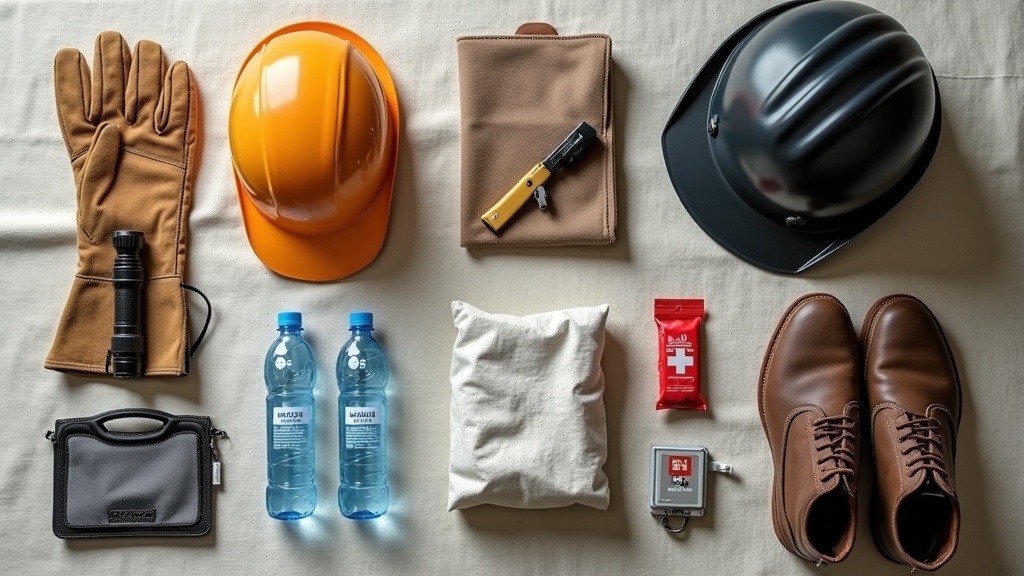
Prepared households often go beyond the basic FEMA list. The reason is simple: real-life earthquake disruptions are messy, and the first 72 hours can involve injuries, family stress, power loss, and limited access to care. Professionals and experienced prepper households commonly add items that solve those exact problems.
- Household radios: A NOAA Weather Radio or battery-powered radio helps you get updates when cell networks are overloaded.
- Work gloves and sturdy shoes: Broken glass and debris are common after strong shaking.
- Dust masks: Useful if drywall, plaster, or ash-like dust is in the air.
- Blankets and extra clothing: Nights can become uncomfortable quickly if power is out.
- Cash: Card readers and ATMs may be offline.
- Pet supplies: Food, bowls, leash, carrier, and medications.
Medical readiness deserves special attention. After an earthquake, minor cuts, sprains, and lacerations are common, but outside help may be delayed if roads are blocked or clinics are overwhelmed. A home medical guide or emergency care reference can help you manage the hours before professional care is available.
📦 Recommended: Home Doctor
Strong shaking can leave families dealing with cuts, sprains, and stress injuries while waiting for medical access. A practical home reference can help you handle common problems during the first 72 hours.
Home checks to do before the next quake
Preparedness is not just what you buy. It is what you secure. Many earthquake losses come from household items that fall, slide, or break during shaking. A few hours of prevention can reduce damage significantly.
- Anchor tall furniture: Bookcases, dressers, and storage cabinets should be secured to wall studs.
- Latch cabinets: Prevent dishes and glass from becoming hazards.
- Move heavy items low: Store weight on lower shelves to reduce tip-over risk.
- Check your water heater: Strap it properly if local codes allow and require it.
- Know utility shutoffs: Every adult in the home should know where and how to shut off gas, water, and electricity if needed.
- Designate a meeting point: Pick a safe location outside and another away from the home if your street is blocked.
If you live in Hawaii, also think about geography. Road access, slope stability, and distance from medical facilities can change the impact of a moderate quake. If you are in a rural or coastal area, your kit should assume longer delays in repair, delivery, and cleanup support.
How to respond in the first hour
When the shaking stops, your first job is a quick, calm assessment. Check yourself and household members for injuries. If everyone is safe, look for obvious hazards: gas smell, sparking outlets, water leaks, cracked chimneys, and fallen objects. If you suspect a gas leak, leave the building and follow local utility instructions. Do not use open flames or switches until the area is cleared.
Then move into 72-hour mode:
- Put on shoes and gloves before walking through debris.
- Gather phones, chargers, medications, and flashlights.
- Conserve phone battery and use texts instead of calls if possible.
- Listen for official updates from USGS, local emergency management, and NOAA alerts.
- Expect aftershocks and keep away from damaged walls, chimneys, and unsecured objects.
Remember: the strongest post-quake threats are often not the quake itself, but what fails afterward, power, water, communication, and access. If your kit already covers those gaps, your family can stay focused and safe.
What to do next
- Build or refresh your 72-hour kit with water, food, light, medications, and documents.
- Secure one room at a time by anchoring shelves, latching cabinets, and checking your water heater.
- Teach every adult the shutoff plan for gas, water, and electricity.
- Make a family contact plan with an out-of-area check-in person.
- Review official guidance after every significant quake so your plan stays current.
Get real disaster prep, decoded from FEMA, NOAA & USGS.
One short email when something actually matters for your zip code. No spam, ever.