
Last Updated: May 2026 | Based on FEMA/NOAA/USGS data
Living in Salt Lake City means being prepared for seismic activity at any time. Because Utah resides in a seismically active region, establishing a robust plan for you and your family is a critical component of home safety. This earthquake preparedness guide for Salt Lake City, UT, provides the actionable steps necessary to mitigate risk and ensure readiness.
Your county's real disaster history, what to do first, and what to keep at home. Free, and it shows up right here.
🔒 We never sell your email. Unsubscribe in one click.
📋 Print this checklist, keep it with your emergency supplies.
Before Earthquake Season. Salt Lake City Checklist
- ☐ Secure heavy furniture: Use straps, bolts, or anchors to secure bookshelves, cabinets, and tall appliances to wall studs.
- ☐ Identify safe spots: Locate “Drop, Cover, and Hold On” locations in every room, away from windows or glass.
- ☐ Create a communication plan: Designate an out-of-state contact person and ensure every family member knows the meeting spot.
- ☐ Review insurance coverage: Confirm your policy includes earthquake coverage, as standard homeowners’ policies often exclude it.
- ☐ Shut-off training: Learn how and when to turn off gas, water, and electricity in your home.
- ☐ Document belongings: Take photos or video of your home and possessions for insurance purposes.
- ☐ Store important documents: Keep digital or physical copies of IDs, deeds, and medical records in a waterproof, portable container.
Emergency Kit Checklist
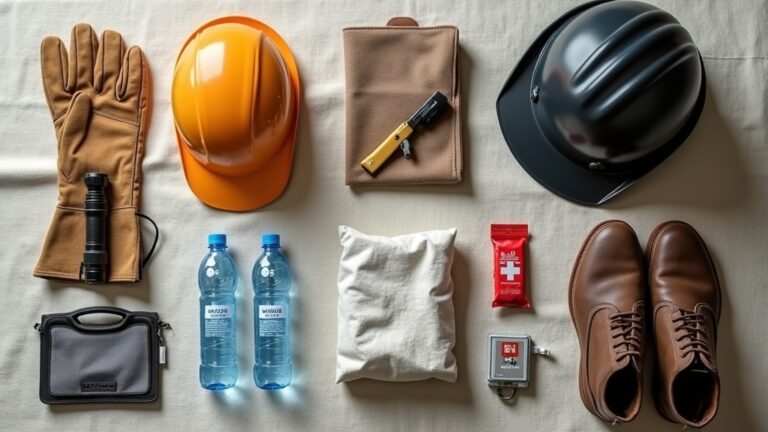
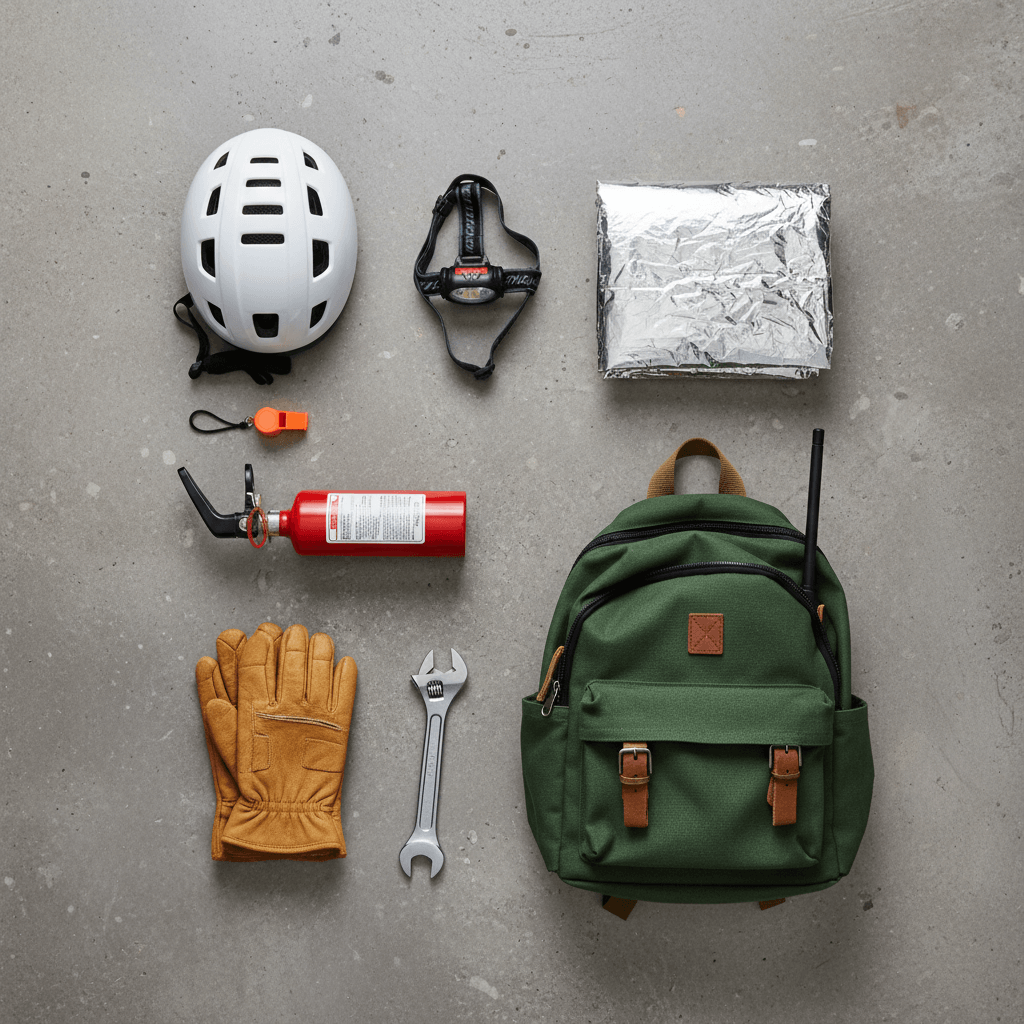
Your emergency kit should sustain your household for at least 72 hours. Ensure these items are accessible and stored in an easy-to-carry bag.
- Water (one gallon per person per day).
- Non-perishable food (canned goods, protein bars).
- Manual can opener.
- Battery-powered or hand-crank radio (NOAA weather radio).
- Flashlight and extra batteries.
- First aid kit with basic supplies.
- Whistle to signal for help.
- Dust mask or t-shirt to filter air.
- Moist towelettes, garbage bags, and plastic ties for personal sanitation.
- Wrench or pliers to turn off utilities.
- Local maps.
- Prescription medications and glasses.
📦 Recommended: Home Doctor
When hospitals are overwhelmed following a major seismic event, having a reliable medical guide is essential for treating injuries at home.
During Earthquake
- Drop: Immediately drop to your hands and knees.
- Cover: Get under a sturdy table or desk. If no shelter is nearby, cover your head and neck with your arms.
- Hold On: Hold on to your shelter until the shaking stops.
- Stay indoors: Do not run outside while the ground is shaking to avoid falling debris.
- If in bed: Stay there and cover your head with a pillow.
- If driving: Pull over to a clear location, away from overpasses, power lines, and trees. Stay inside the vehicle.
After Earthquake: Recovery Steps
- Expect aftershocks; follow the same “Drop, Cover, and Hold On” protocol if shaking resumes.
- Check yourself and family members for injuries.
- Inspect your home for structural damage, gas leaks, or water line issues.
- Listen to local news or emergency stations for official updates and instructions.
- Avoid entering damaged buildings until authorities confirm they are safe.
Frequently Asked Questions
How often should I update my Salt Lake City earthquake kit?
Check your supplies at least every six months. Replace expired food, water, and batteries to ensure everything functions correctly when needed.
Is there an active earthquake warning for Salt Lake City?
According to the latest NOAA data, there are currently no active earthquake warnings for Utah. Seismic events occur without warning, making year-round preparedness essential.
What should I do if I smell gas after a quake?
If you suspect a gas leak, leave the area immediately, move to a safe distance, and call 911 or your utility provider. Do not attempt to turn the gas back on yourself.
Where can I find real-time seismic data?
The USGS Earthquake Hazards Program provides the most accurate, real-time data on seismic activity across the United States.
Does Salt Lake City have specific building codes for earthquakes?
Yes, Utah enforces seismic building codes to increase structural resilience. Contact your local building department for information on retrofitting older homes.
Get real disaster prep, decoded from FEMA, NOAA & USGS.
One short email when something actually matters for your zip code. No spam, ever.