
Last Updated: May 2026 | Based on FEMA and NOAA data
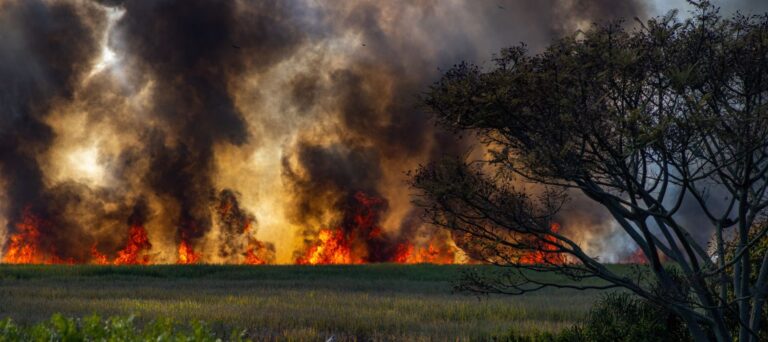
Developing a robust wildfire preparedness guide for Portland, OR is a critical task for residents as we head into the warmer months. While the Pacific Northwest is often associated with rain, the increasing frequency of dry conditions makes fire safety an essential year-round priority. As of May 2026, NOAA reports no active wildfire watches or warnings for the Oregon area, providing a crucial window to solidify your home defense and evacuation plans before the risk escalates.
Your county's real disaster history, what to do first, and what to keep at home. Free, and it shows up right here.
🔒 We never sell your email. Unsubscribe in one click.
Key Takeaways
- Portland’s wildfire risk is heavily influenced by seasonal drought conditions and urban-wildland interface proximity.
- Creating defensible space around your property significantly increases the chances of structure survival.
- A pre-packed emergency kit should be accessible at all times, containing at least 72 hours of supplies.
- Local emergency alerts, such as PublicAlerts, are your primary source for real-time evacuation orders.
- Hardening your home with fire-resistant materials is a proactive step to mitigate ember intrusion.
Understanding Wildfire Risk in Portland, Oregon
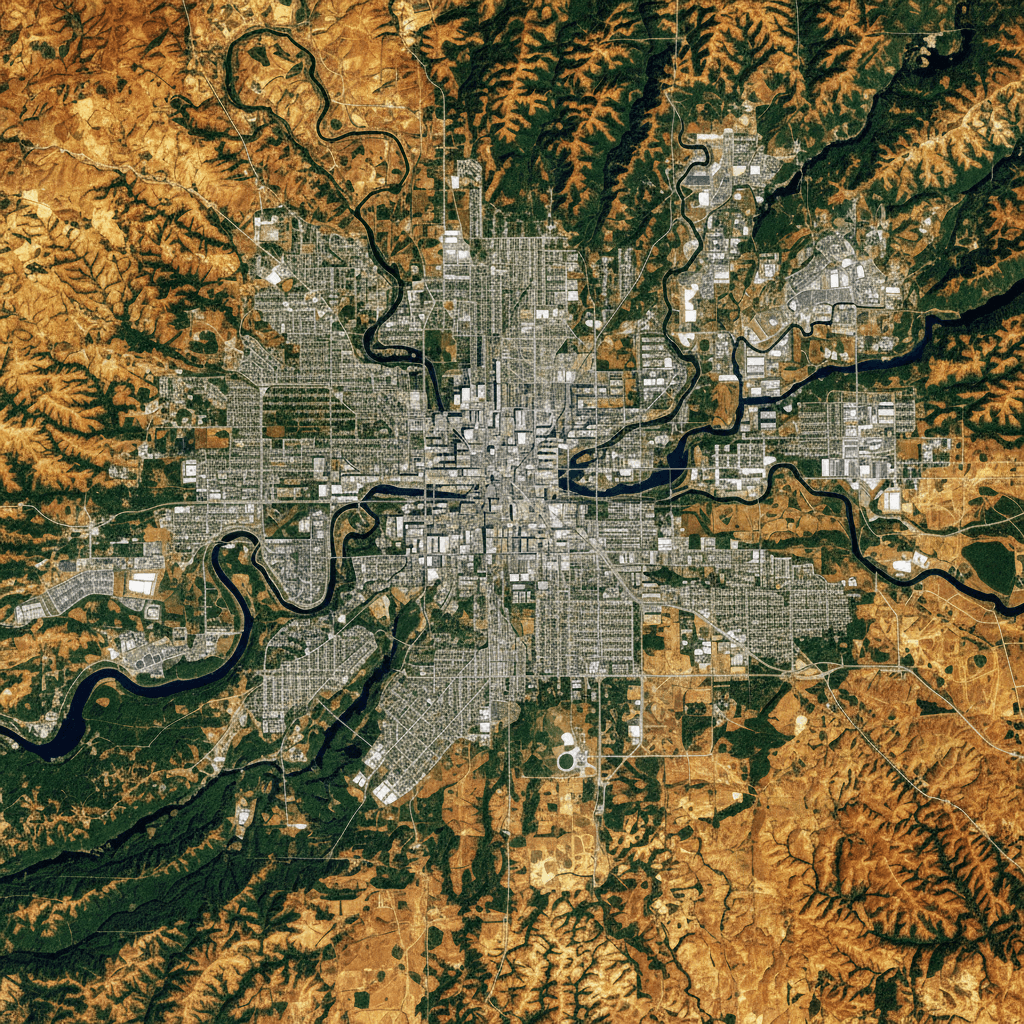
According to FEMA and regional fire management agencies, Portland faces unique wildfire challenges. The city’s geography, which includes large forested parks and residential areas bordering natural growth, creates an urban-wildland interface (WUI) where fire can transition from vegetation to structures. USGS seismic data, which tracks geological instability, is often monitored alongside weather patterns, as dry, windy conditions can exacerbate fire spread following any period of regional environmental stress.
How to Prepare for Wildfire: Step-by-Step
Step 1: Create Defensible Space
Clear vegetation, dry leaves, and flammable debris within 30 feet of your home. Prune tree branches that hang over your roof and ensure that woodpiles are stored away from the house structure.
Step 2: Harden Your Home
Replace or repair loose shingles and ensure attic vents are covered with metal mesh to prevent embers from entering. Consider installing dual-pane windows to improve heat resistance.
Step 3: Develop an Evacuation Plan
Identify at least two ways out of your neighborhood. Practice your evacuation route with all family members, ensuring that every person knows exactly where to meet if separated.
Step 4: Sign Up for Alerts
Register for PublicAlerts to receive emergency notifications from Clackamas, Multnomah, and Washington counties. Real-time data is the most effective tool for timely evacuation.
Step 5: Prepare Your Go-Bag
Assemble a portable kit containing essential documents, medications, and supplies. Keep this in a location that is easy to grab as you head out the door.
Essential Emergency Kit for Portland
- Water (one gallon per person per day for at least three days)
- Non-perishable food items
- Battery-powered or hand-crank radio
- Flashlight with extra batteries
- First aid kit
- Whistle to signal for help
- Dust masks (N95) to filter contaminated air
- Local maps and contact lists
- Prescription medications (7-day supply)
- Multi-purpose tool
- Cash in small denominations
- Copies of important documents in a waterproof container
📦 Recommended: Home Doctor
This guide is essential for treating smoke inhalation and minor burns when professional medical facilities are overwhelmed or inaccessible during a wildfire event.
Local Resources
Stay informed through official local channels:
- Portland Fire & Rescue
- PublicAlerts (Regional Emergency Notification)
- National Weather Service Portland
Frequently Asked Questions
How do I know if I am in a high-risk wildfire zone?
You can check the Oregon Department of Forestry’s hazard maps to see if your property falls within a high-risk zone. Even in lower-risk zones, embers can travel miles, making preparedness necessary for all.
What should I do if a wildfire is nearby?
Follow the instructions of local authorities immediately. If you are told to evacuate, leave early to avoid traffic congestion and dangerous fire conditions.
Can I stay in my home if a fire is approaching?
It is strongly advised against. Evacuation is the only way to guarantee safety when a fire is in the vicinity. Emergency responders may not be able to reach you if conditions deteriorate.
How can I protect my home from smoke?
Keep windows and doors closed. Use high-efficiency particulate air (HEPA) filters in your HVAC system or portable air cleaners to maintain indoor air quality.
How often should I update my emergency kit?
Review your kit every six months. Check expiration dates on food, water, and medications, and update your emergency contact list as needed.
Get real disaster prep, decoded from FEMA, NOAA & USGS.
One short email when something actually matters for your zip code. No spam, ever.