

Last Updated: April 2026 | Based on FEMA/NOAA/USGS data
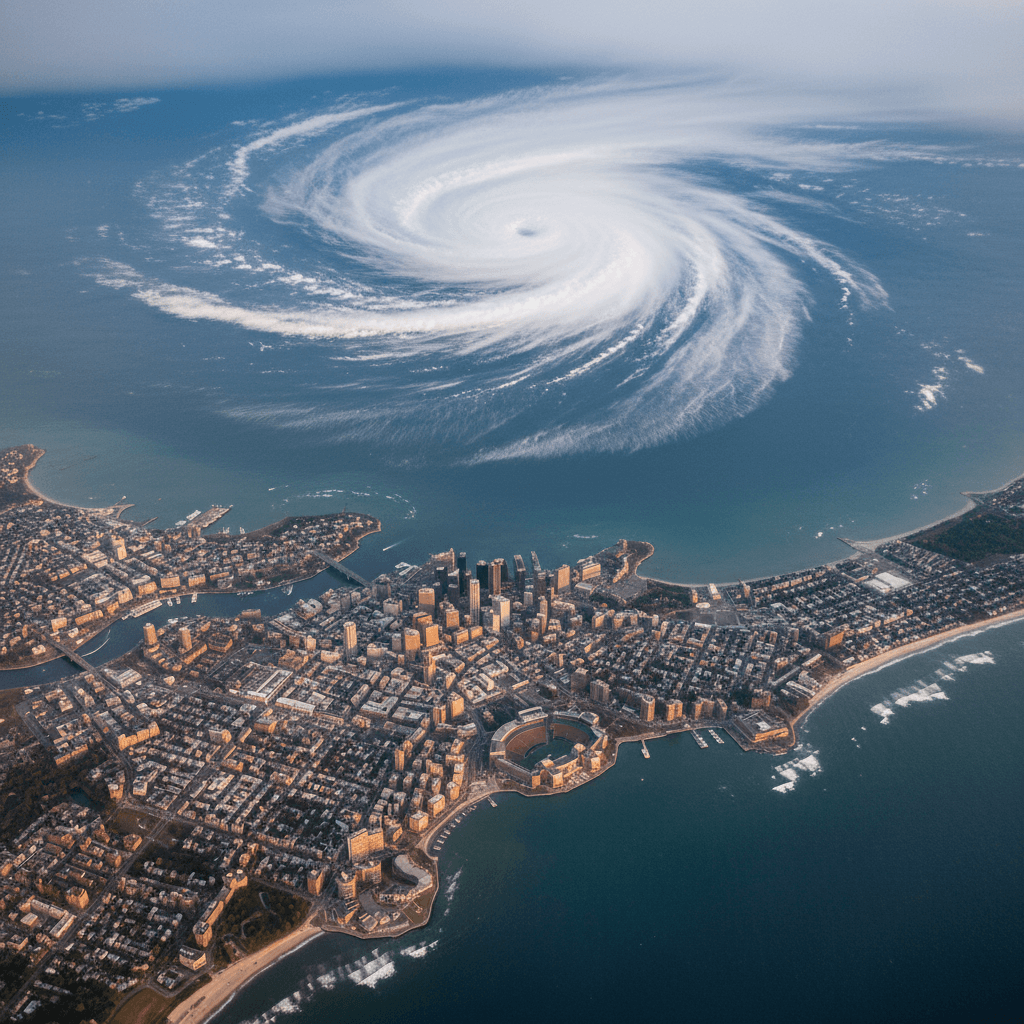
Hurricane preparedness in Boston, MA is a vital responsibility for every resident, as coastal New England remains vulnerable to tropical systems that can bring significant flooding and high winds. With the Atlantic hurricane season approaching, taking proactive steps right now to secure your property and develop an evacuation plan is the most effective way to ensure your family’s safety.
Your county's real disaster history, what to do first, and what to keep at home. Free, and it shows up right here.
🔒 We never sell your email. Unsubscribe in one click.
Key Takeaways
- Boston faces significant risks from storm surge and inland flooding during tropical events.
- Current NOAA data shows no active tropical alerts for Massachusetts as of April 2026.
- Building a resilient emergency kit is essential for the first 72 hours post-storm.
- Knowing your FEMA flood zone designation is the first step in property protection.
- Evacuation routes are managed by state authorities; identify your nearest route today.
Understanding Hurricane Risk in Boston, Massachusetts
While Boston is not struck by major hurricanes as frequently as southern coastal cities, the threat remains substantial. According to FEMA, Boston’s low-lying coastal geography makes it particularly susceptible to storm surge, which can cause rapid, life-threatening flooding in neighborhoods such as the Seaport, East Boston, and South Boston. NOAA monitors Atlantic storm activity throughout the season, and even weakened post-tropical systems can deliver massive rainfall amounts to the region, leading to significant urban flooding and power infrastructure failure.
How to Prepare for Hurricanes: Step-by-Step
Step 1: Know Your Zone
Visit the official Boston emergency management website to determine if you live in a designated evacuation zone. Understanding your specific risk helps you make informed decisions when authorities issue warnings.
Step 2: Secure Your Property
During the spring, inspect your home for vulnerabilities. Ensure gutters are clear, tree limbs near your roof are trimmed, and window shutters or impact-resistant coverings are ready to be deployed on short notice.
Step 3: Develop a Communication Plan
Establish a contact plan where all family members know how to reconnect if cellular networks are compromised. Designate an out-of-state contact who can act as a central hub for updates.
Step 4: Document Your Assets
Create a digital inventory of your home belongings. Photograph or video every room and store these files in a secure, cloud-based location to expedite insurance claims if damage occurs.
Step 5: Review Insurance Coverage
Standard homeowners insurance often excludes flood damage. Consult your provider to see if you need a separate policy through the National Flood Insurance Program (NFIP).
Step 6: Prepare Your Go-Bag
Assemble a portable kit containing essential documents, medications, and cash. Keep this in a waterproof container, easily accessible for a quick departure.
Essential Emergency Kit for Boston
- One gallon of water per person per day for at least three days
- Non-perishable food supplies
- Battery-powered or hand-crank NOAA Weather Radio
- Flashlight and extra batteries
- First aid kit
- Whistle to signal for help
- Dust mask to help filter contaminated air
- Plastic sheeting and duct tape for sheltering in place
- Moist towelettes, garbage bags, and plastic ties
- Wrench or pliers to turn off utilities
- Manual can opener
- Local maps
📦 Recommended: Home Doctor
When emergency services are stretched thin or unreachable, this practical medical guide shows you how to handle injuries and illness at home — an essential reference for any disaster plan.
Local Resources
For official alerts and emergency updates, monitor the following resources:
- City of Boston Emergency Management
- Massachusetts Emergency Management Agency (MEMA)
- National Weather Service Boston/Norton
Frequently Asked Questions
How often should I update my emergency kit?
Review your kit every six months. Replace expired food, test batteries, and ensure your medications are current.
Are Boston’s subway systems safe during a hurricane?
The MBTA may suspend services during extreme weather. Check their official site for service alerts before attempting to travel.
How do I receive emergency notifications in Boston?
Sign up for AlertBoston to receive real-time notifications via phone, text, or email regarding severe weather and city-wide emergencies.
What should I do if I am told to evacuate?
Leave immediately. Follow the evacuation routes designated by local officials and do not attempt to travel through flooded roadways.
Can I use a generator during a power outage?
Only use generators outdoors, at least 20 feet away from windows and doors to prevent carbon monoxide poisoning.
Get real disaster prep, decoded from FEMA, NOAA & USGS.
One short email when something actually matters for your zip code. No spam, ever.