
Last Updated: May 2024 | Based on FEMA/NOAA/USGS data
Effective wildfire preparedness guide Knoxville TN requires immediate action during the spring months when dry vegetation and high winds create peak danger. While federal data systems from FEMA and NOAA are currently reporting technical service interruptions, historical patterns in East Tennessee confirm that the period between February and May presents the highest risk for local residents. Protecting your property requires creating defensible space and establishing a clear evacuation plan right now, before the heat of the season intensifies.
Your county's real disaster history, what to do first, and what to keep at home. Free, and it shows up right here.
🔒 We never sell your email. Unsubscribe in one click.
What is the current wildfire risk in Knoxville, Tennessee?
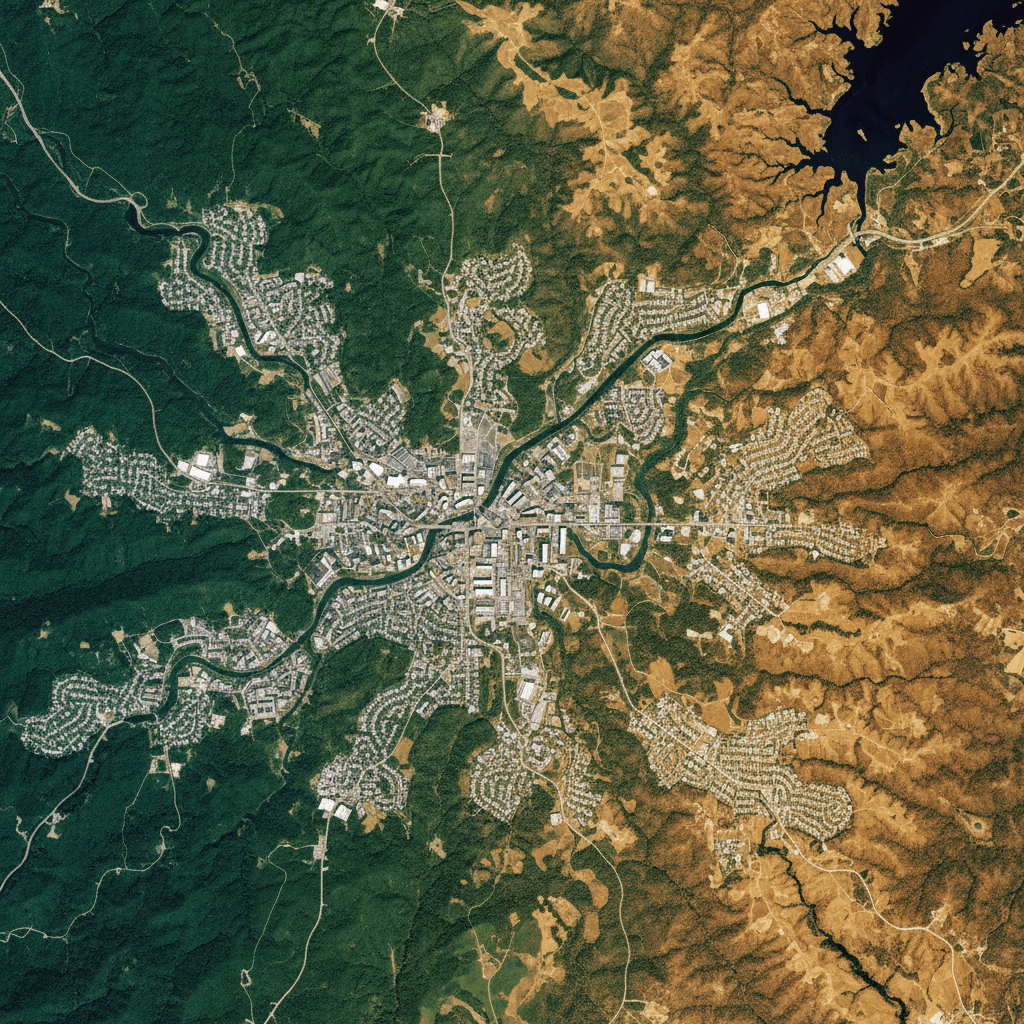
Knoxville resides within a high-risk zone known as the Wildland Urban Interface (WUI), where residential developments meet undeveloped vegetation. According to historical FEMA risk assessments, Knox County faces a significant threat due to its dense canopy cover and rolling topography. While the USGS currently monitors seismic activity, noting recent events in Nevada and the Dominican Republic, these geological shifts do not directly impact fire risk, but they highlight the need for general structural resilience. In Knoxville, the risk is primarily driven by the accumulation of leaf litter and dead wood in suburban neighborhoods. Right now, as we move through the spring season, the “cured” fuels from winter are at their most flammable. Local emergency management warns that even a small brush fire can quickly transition into a structure-threatening event when humidity levels drop and winds accelerate across the Tennessee Valley.
When is wildfire season in Knoxville, and why is spring critical?
In East Tennessee, wildfire season occurs in two distinct phases: spring and fall. The spring season, which typically runs from February 15 through May 15, is particularly dangerous. This is because the sun begins to warm the forest floor before the new leaves (the “leaf-out”) provide shade and moisture retention. NOAA records indicate that this period often coincides with higher wind speeds and fluctuating humidity. You must take action right now to clear gutters and roof debris, as these are the primary ignition points for wind-blown embers. Waiting until summer is a mistake; the most destructive fires in the region often occur before the forest has fully greened up. By the time summer humidity arrives, the window for effective preventative clearing has often passed.
How can I create a defensible space around my Knoxville home right now?
Creating defensible space is the most effective way to improve your home’s chance of surviving a wildfire. This process is divided into three zones. Zone 0, the “Immediate Zone,” extends five feet from your home. You should remove all flammable vegetation, mulch, and stored firewood from this perimeter immediately. Zone 1 extends 5 to 30 feet from the house; here, you should prune trees to ensure a 10-foot gap between branches and keep grass mowed to four inches or less. Zone 2 extends from 30 to 100 feet. In this area, the goal is to break up the “ladder fuels”, shrubs and low branches that allow a ground fire to climb into the tree canopy. Residents should complete these steps before this season hits its peak in late spring. According to the Tennessee Division of Forestry, homes with 30 feet of managed defensible space are significantly more likely to be spared by passing wildfires.
What should be in a Knoxville wildfire emergency kit?
A specialized wildfire kit differs from a standard power outage kit. It must prioritize respiratory protection and rapid mobility. Your kit should include N95 or P100 respirators to filter out fine particulate matter from smoke, which can cause severe respiratory distress even miles from the flames. Include at least three gallons of water per person, a battery-powered NOAA weather radio, and physical maps of Knox County in case GPS services fail during a large-scale evacuation. You also need a “Go Bag” containing copies of essential documents (insurance policies, birth certificates, and deeds) in a waterproof, fire-resistant container. Since pharmacies may be inaccessible during a disaster, ensure you have a 14-day supply of all prescription medications. Ensure this kit is packed and placed by your primary exit right now.
Where are the primary evacuation routes for Knox County residents?
Evacuation routes in Knoxville depend heavily on your specific neighborhood, but primary corridors include I-40, I-75, and the Pellissippi Parkway (TN-162). For those in the southern reaches of the county near the Chapman Highway (US-441) corridor, routes can become congested quickly due to the proximity to the Great Smoky Mountains. Local authorities emphasize that you should never wait for an official evacuation order if you feel threatened. In a wildfire scenario, smoke can reduce visibility to near zero in minutes. Familiarize yourself with at least two ways out of your neighborhood. If one route is blocked by fire or emergency vehicles, you must have a pre-planned alternative. According to the Knox County Emergency Management Agency, residents should sign up for the regional “Knox Aware” notification system to receive real-time route updates during active incidents.
How does the proximity to the Great Smoky Mountains affect Knoxville’s fire risk?
Knoxville is situated just north of the Great Smoky Mountains National Park, an area with some of the highest fuel loads in the Eastern United States. Large-scale fires in the park, such as the 2016 Chimney Tops 2 fire, can produce massive amounts of smoke and embers that travel miles on strong winds. This proximity creates a “spotting” risk, where embers ignite fires far ahead of the main fire front. Even if a fire is not in the Knoxville city limits, residents may face hazardous air quality and localized spot fires. Preparedness in Knoxville must include hardening your home against embers by installing 1/8-inch metal mesh over attic and crawlspace vents. This simple step prevents wind-blown sparks from entering your home’s interior, which is a leading cause of home loss during mountain-driven fire events.
What are the local burn permit requirements in Knoxville?
From October 15 through May 15, the Tennessee Division of Forestry requires a burn permit for any outdoor open-air fire within 500 feet of a forest, woodland, or grassland. These permits are free but are only issued when weather conditions are safe. If you are cleaning up yard debris this spring, you must check the daily fire danger rating before lighting any fire. On high-wind or low-humidity days, permits are routinely withheld. Violating these requirements can lead to significant fines and liability for any damage caused by an escaped fire. To apply for a permit or check current restrictions, visit the Tennessee Department of Agriculture website or call the local Knox County forestry office. Always keep a water source and shovel nearby when conducting a legal burn.
How can I receive emergency alerts if NOAA or FEMA systems are down?
While federal systems like the NOAA weather wire or FEMA’s integrated public alert system are essential, they can experience technical difficulties, as seen in recent data outages. To ensure you stay informed, you should rely on a redundant alert strategy. Download local news apps and follow the Knoxville Fire Department and Knox County Sheriff’s Office on social media. Most importantly, ensure your smartphone’s Wireless Emergency Alerts (WEA) are enabled in your settings. Local authorities can broadcast life-saving information directly to cell towers in the affected area even if broader federal websites are down. Additionally, a hand-crank emergency radio can pick up local emergency broadcasts that do not rely on internet connectivity.
What should I do if a wildfire is approaching my property?
If a wildfire is imminent, your priority is life safety. If time permits before you evacuate, take the following steps: Close all windows and doors to prevent embers from entering. Move flammable furniture away from windows. Turn off the gas at the meter and turn on all exterior and interior lights so your home is visible to firefighters through heavy smoke. Do not leave sprinklers running, as this can reduce critical water pressure for the entire neighborhood. Once these steps are complete, leave immediately. Most wildfire fatalities occur when people wait too long to evacuate and become trapped by fire or smoke on narrow roads. Follow the directions of local law enforcement and do not return to your property until the “all clear” is officially given.
What are the common causes of wildfires in East Tennessee?
Human activity is the leading cause of wildfires in the Knoxville area. According to the Tennessee Division of Forestry, escaped debris burns are the number one culprit, especially during the spring cleaning season. Other common causes include discarded smoking materials, sparks from dragging trailer chains, and equipment use in dry grass. While lightning-strike fires do occur, they are less frequent in the Tennessee Valley than in the western United States. This means that the majority of local wildfires are preventable. By adhering to burn bans and practicing equipment safety, residents can significantly reduce the ignition risk in their communities. Before this season hits its peak, ensure that all outdoor power equipment is fitted with spark arrestors and avoid parking vehicles in tall, dry grass.

Home Doctor
Essential medical guide for treating smoke inhalation and minor burns in Knoxville when emergency services are stretched thin during fire season.
Get real disaster prep, decoded from FEMA, NOAA & USGS.
One short email when something actually matters for your zip code. No spam, ever.