

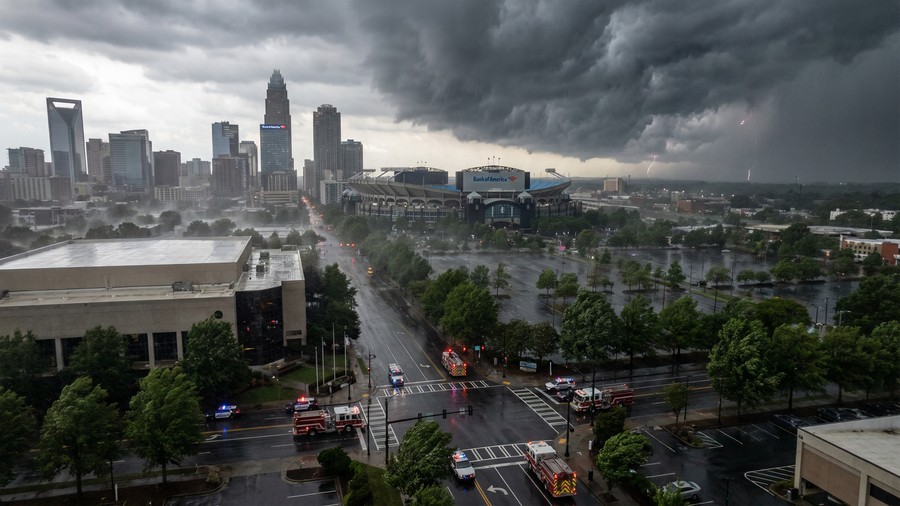
While Charlotte, North Carolina, is an inland city, it remains highly susceptible to the significant impacts of hurricanes, primarily through severe inland flooding, high winds, and power outages. Historically, remnants of major hurricanes like Hugo (1989) and Florence (2018) have demonstrated the potential for widespread damage across Mecklenburg County.
Your county's real disaster history, what to do first, and what to keep at home. Free, and it shows up right here.
🔒 We never sell your email. Unsubscribe in one click.
Get your ZIP-code disaster plan in 60 seconds
Built from live FEMA, NOAA & USGS data for your address. Free PDF.
Current Risk Status for Charlotte, NC
Understanding the immediate hazard landscape is crucial for effective preparedness. USRiskRadar.com continuously monitors official government data to provide the most current information.
FEMA Declarations
As of today, there are no active major disaster declarations from the Federal Emergency Management Agency (FEMA) specifically for Charlotte, North Carolina, or Mecklenburg County. This indicates no widespread federal assistance is currently authorized for a recent significant event in the immediate area. However, this status can change rapidly during or after a severe weather event. Always refer to FEMA.gov for the latest updates.
NOAA Active Alerts
Currently, the National Oceanic and Atmospheric Administration (NOAA) through the National Weather Service (NWS) has issued Special Weather Statements for various parts of North Carolina and Virginia. Specifically, a Special Weather Statement was issued March 31 at 3:50 AM EDT by NWS Raleigh NC, which covers the Charlotte region. These statements indicate moderate weather concerns but are not immediate hurricane warnings or watches for Charlotte. While important for general awareness, they do not signify an active hurricane threat at this moment. Always monitor Weather.gov for real-time local forecasts and alerts.
USGS Seismic Activity
The United States Geological Survey (USGS) reports no significant seismic activity in or near Charlotte, North Carolina, or anywhere relevant to the continental U.S. at this time. Recent notable seismic events are confined to distant international locations such as Vanuatu, Japan, and Tonga. Seismic activity is not a primary concern when preparing for hurricanes in the Charlotte area. For global earthquake information, visit USGS.gov.
Understanding Hurricane Risks in Charlotte
While Charlotte is approximately 200 miles inland from the Atlantic coast, the city is far from immune to the devastating effects of hurricanes. As these powerful storms move inland, they weaken but continue to bring significant threats. The primary risks for Charlotte residents include:
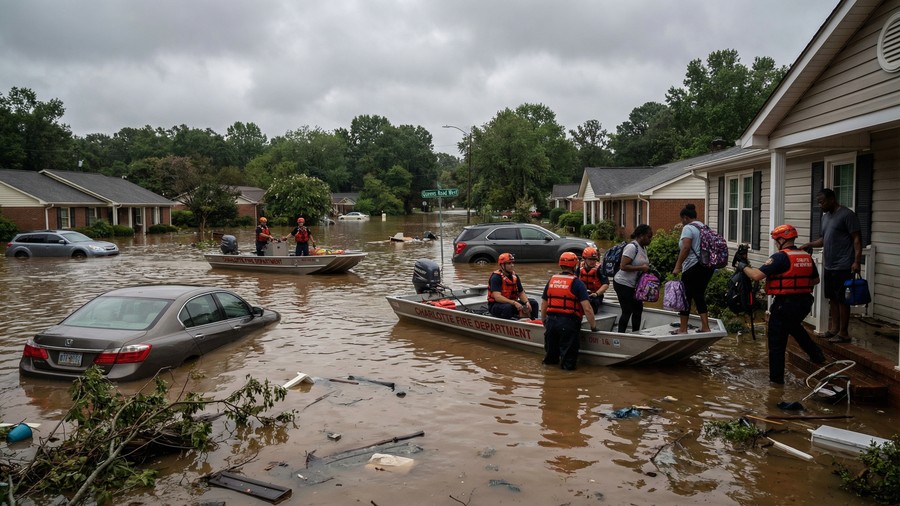
- Inland Flooding: Prolonged heavy rainfall, even from a weakened hurricane, can lead to widespread flash flooding and riverine flooding. Charlotte’s extensive network of creeks and urban development increases vulnerability to rapid water accumulation.
- High Winds: Sustained tropical storm-force winds and hurricane-force gusts can cause extensive damage to property, down trees, and disrupt power lines, leading to prolonged power outages.
- Power Outages: Wind and flooding often combine to knock out power, sometimes for days or even weeks in severe events. This impacts everything from communication to refrigeration.
- Tornadoes: Hurricanes can spawn isolated tornadoes, even far inland, posing an additional, sudden threat to life and property.
- Disrupted Infrastructure: Roads may become impassable due to flooding or fallen debris, impacting emergency services and supply chains.
Year-round vigilance and preparedness are essential, as hurricane season runs from June 1 to November 30, with peak activity typically from August to October.
Developing Your Family Emergency Plan
A well-thought-out family emergency plan is the cornerstone of hurricane preparedness. It ensures everyone knows what to do, where to go, and how to communicate when disaster strikes.
Establish a Communication Strategy
- Emergency Contacts: Compile a list of important phone numbers (family, friends, doctors, schools, insurance) and store them both digitally and on paper.
- Out-of-State Contact: Designate an out-of-state relative or friend as a central contact. During local emergencies, it’s often easier to make long-distance calls than local ones.
- Text Messaging: Teach family members to text rather than call, as text messages often get through when phone lines are overloaded.
- Social Media: Use social media to check in with loved ones if other communication methods fail.
Identify Evacuation Routes and Meeting Points
Even for an inland city like Charlotte, evacuation might be necessary due to severe flooding or structural damage. Know your routes.
- Primary and Alternate Routes: Plan several routes out of your neighborhood and the city in case main roads are blocked.
- Family Meeting Points: Establish two meeting places: one just outside your home for sudden emergencies (like a fire) and one outside your neighborhood (like a local library or community center) in case you can’t return home.
- Shelter Information: Know the location of official public shelters in Mecklenburg County, should local authorities advise evacuation.
Assembling Your Emergency Kit
An emergency kit, also known as a ‘go-bag’ or ‘disaster supply kit,’ should contain enough supplies to sustain your household for at least 72 hours, preferably longer. See our 72-hour emergency kit guide for Charlotte hurricanes for what Charlotte’s own disaster record says that kit is missing. Store it in an easily accessible, waterproof container.
- Water: One gallon per person per day for drinking and sanitation.
- Food: A three-day supply of non-perishable food (canned goods, energy bars, dried fruit), a manual can opener.
- First Aid Kit: Bandages, antiseptic wipes, pain relievers, prescription medications, and any necessary medical supplies.
- Lighting: Flashlights and extra batteries (avoid candles due to fire risk).
- Communication: A battery-powered or hand-crank NOAA weather radio to receive emergency broadcasts.
- Power: Portable chargers or power banks for cell phones.
- Sanitation: Moist towelettes, garbage bags, plastic ties, and personal hygiene items.
- Important Documents: Copies of insurance policies, identification, bank records, and other critical papers in a waterproof bag.
- Cash: ATMs and credit card machines may not work during power outages.
- Tools: Wrench or pliers to turn off utilities, if necessary.
- Pet Supplies: Food, water, medicine, and identification for pets.
- Comfort Items: Blankets, sleeping bags, and comfort items for children.
Protecting Your Property
Proactive measures can significantly reduce damage to your Charlotte home during a hurricane.
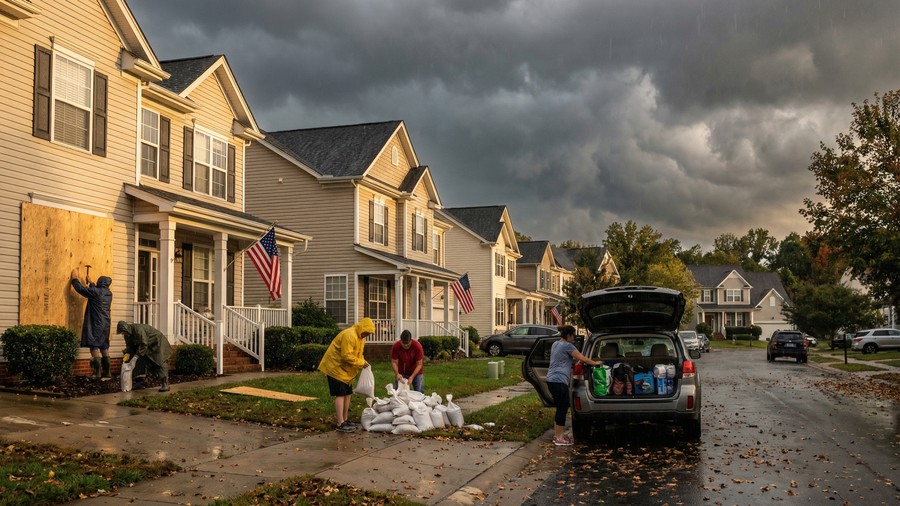
- Secure Loose Outdoor Items: Bring inside or securely tie down anything that could become a projectile, such as patio furniture, trash cans, grills, and garden tools.
- Clear Gutters and Drains: Ensure gutters, downspouts, and storm drains around your property are free of debris to allow for proper water runoff and prevent localized flooding.
- Trim Trees and Shrubs: Remove dead or weak branches from trees and shrubs that could fall onto your home, vehicles, or power lines. Consider professional tree services for large branches.
- Review Insurance Policies: Understand your homeowner’s insurance policy, especially regarding wind and flood damage. Most standard policies do not cover flood damage; a separate flood insurance policy is often required.
- Photograph Valuables: Document your property and valuables with photos or videos for insurance purposes before a storm hits.
- Consider Generator: If frequent power outages are a concern, consider investing in a portable generator. Ensure it is operated safely outdoors and away from windows.
Localized Hurricane Preparedness Checklist for Charlotte, NC Residents
This checklist provides specific actions Charlotte residents should take to prepare for hurricane impacts.
- Know Your Flood Risk: Understand if your home is in a flood-prone area within Mecklenburg County. Consult the county’s flood maps and consider flood insurance.
- Clear Property Drainage: Ensure all storm drains, culverts, and ditches around your property are clear of leaves and debris to prevent localized flooding.
- Tree Maintenance: Regularly inspect and trim trees, especially those close to your home or power lines, to minimize the risk of falling limbs.
- Secure Outdoor Items: Bring inside or tie down all outdoor furniture, trash cans, grills, and decorations that could become airborne.
- Prepare for Power Outages: Have non-perishable food, water, flashlights, and extra batteries ready, as outages can last for extended periods.
- Fuel Up Vehicles: Fill your vehicle’s gas tank well in advance of a storm, as gas stations may lose power or run out of fuel.
- Withdraw Cash: Obtain enough cash to last several days, as electronic transactions may not be possible during outages.
- Charge Devices: Fully charge all cell phones, laptops, and portable power banks.
- Understand Utility Shut-off: Know how to safely turn off your home’s main water, gas, and electricity, if advised by emergency officials.
- Review Insurance: Confirm your homeowner’s and flood insurance policies are up-to-date and understand your coverage.
- Identify Safe Rooms: Designate an interior room on the lowest floor, away from windows, as a safe haven during high winds or potential tornadoes.
- Waterproof Documents: Store essential documents (IDs, insurance papers, medical records) in a waterproof, easily accessible container.
- Register for Alerts: Sign up for emergency alerts from Mecklenburg County Emergency Management (e.g., CodeRED or CharMeck Alerts).
- Pet Preparedness: Include pet food, water, medications, and carriers in your emergency kit. Identify pet-friendly shelters or arrangements.
- Evacuation Route Familiarity: Even inland, be aware of potential evacuation routes if severe flooding necessitates leaving your home.
Local Resources for Charlotte Residents
Stay informed and connected with official emergency management agencies.
- Mecklenburg County Emergency Management: Your primary local resource for emergency planning, alerts, and response information. https://www.mecknc.gov/EmergencyManagement
- North Carolina Emergency Management: Provides statewide guidance and resources for various hazards, including hurricanes. https://www.readync.gov
Frequently Asked Questions About Hurricane Preparedness in Charlotte, NC
Is Charlotte directly hit by hurricanes?
No, Charlotte is an inland city and typically does not experience direct hurricane landfalls. However, it is significantly impacted by the remnants of hurricanes, which bring severe inland flooding, high winds, and potential tornadoes, often causing widespread damage and power outages.
What are the main hurricane threats in Charlotte?
The primary threats in Charlotte from hurricanes are heavy rainfall leading to extensive inland flooding, strong winds that can down trees and power lines, and the possibility of isolated tornadoes. Residents must prepare for prolonged power outages and impassable roads.
How long should my emergency kit last?
Your emergency kit should contain enough supplies to sustain your household for at least 72 hours, but ideally for five to seven days. This includes water, non-perishable food, medications, and other essential items, as emergency services may be delayed after a major storm.
Should I evacuate Charlotte for a hurricane?
Evacuation orders for Charlotte are rare and typically issued only for specific low-lying or flood-prone areas, or if infrastructure is severely compromised. Always follow official guidance from Mecklenburg County Emergency Management. If advised to evacuate, do so promptly and safely.
How can I stay informed during a hurricane?
Stay informed by using a NOAA weather radio, local news outlets, and signing up for Mecklenburg County’s official alert systems (e.g., CodeRED). Keep cell phones charged and have a portable charger. Remember that power and internet may be out, so backup communication is vital.
Related Preparedness Guides
Enhance your overall safety by exploring preparedness for other potential hazards:
Disclaimer: This guide provides general information for hurricane preparedness and is not a substitute for official instructions from local emergency management authorities. Always follow the specific guidance and evacuation orders issued by Mecklenburg County Emergency Management and North Carolina Emergency Management. USRiskRadar.com is not responsible for any actions taken or not taken based on the information provided herein.
Get real disaster prep, decoded from FEMA, NOAA & USGS.
One short email when something actually matters for your zip code. No spam, ever.