

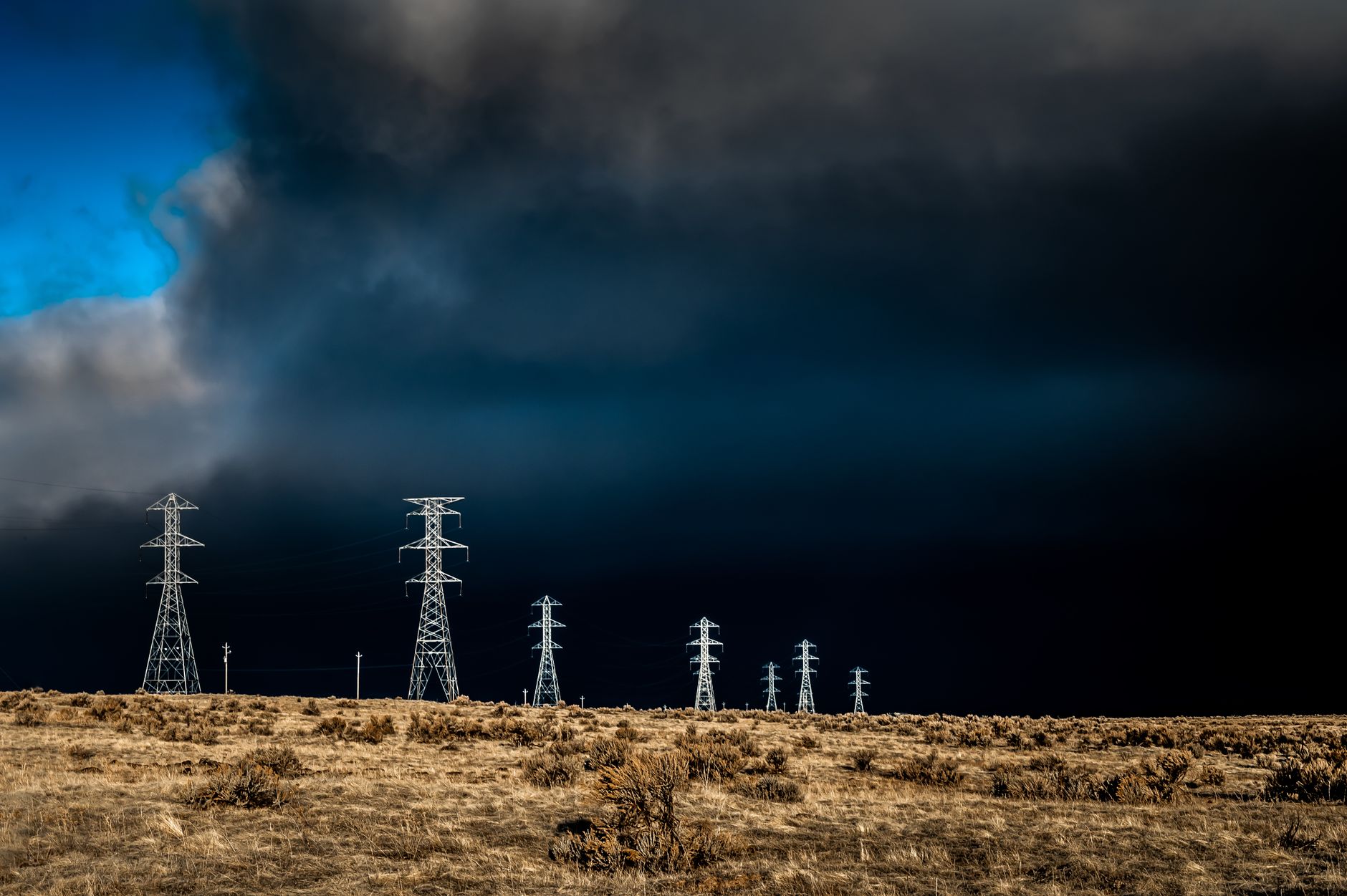
When a utility announces a planned power outage, it is tempting to treat it like a minor inconvenience. For a prepared household, though, the real issue is not whether the outage is scheduled, it is whether your home can stay safe, cool, and functional for the hours it lasts. The June 9 outage affecting the Anza area is a useful reminder that even planned interruptions can create real strain, especially in warm weather. If your family depends on refrigeration, medical devices, internet access, or simple comfort during heat, your 72-hour plan matters. Start with our Power Outage Preparedness guide for the full checklist.
Your county's real disaster history, what to do first, and what to keep at home. Free, and it shows up right here.
🔒 We never sell your email. Unsubscribe in one click.
The good news: planned outages are one of the easiest emergencies to prepare for because you usually have advance notice. That notice gives you time to charge devices, make cooling plans, protect food, and decide where you will go if your home becomes too hot. Below is a practical, homeowner-focused checklist built around the three things that matter most during a short outage: power, cooling, and communication.
What a planned outage really means for your home
Planned outages are often tied to utility maintenance, equipment work, or safety upgrades. Unlike storms or grid failures, they are announced in advance and usually limited in duration. But “planned” does not mean “low impact.” If your refrigerator is full, your home traps heat, or you rely on Wi-Fi calling, a few hours without power can quickly become disruptive.
For homeowners, the key is to think in terms of a 72-hour reality check. Even if the outage is scheduled for one day, prepare as if you may need to manage the effects for three days. That approach covers delays, extended work windows, or a second interruption after service returns. The same readiness habits that help during storms also help here, just with less urgency and more planning.
How to read outage and heat guidance
If local officials open a cooling center, that is a signal that heat exposure could be a concern for some residents. A cooling center is a public indoor location where people can get relief from high temperatures. It is not a shelter in the disaster sense; it is a practical option for those who do not have reliable home cooling during the outage. If you have children, older adults, pets, or anyone sensitive to heat, know the location and hours before the power goes out.
For weather context, check NOAA forecasts for daytime highs and overnight lows. The daytime high tells you how hot the home may become, while the overnight low tells you whether your house will get a useful break after sunset. If nights stay warm, indoor heat can build over time. That is why fans, shade, hydration, and a place to cool off can be more important than the outage length alone.
If you also check utility notifications or local emergency messages, look for timing, restoration estimates, and whether the outage will be partial or complete. For a homeowner, the most useful question is: How long will I need to keep food cold, people comfortable, and devices charged?
Build a home cooling plan before the outage starts
Your first job is to reduce heat gain before the power is cut. Close blinds and curtains on sun-facing windows early in the day. Run ceiling fans while power is available, but remember that fans cool people, not rooms. Once the power is out, fans can still help if you have backup power, but they are not a substitute for air conditioning.
Set up a simple cooling strategy:
- Pre-cool the home by lowering the thermostat before the outage if you have air conditioning.
- Limit heat-producing activities such as baking, laundry, or long showers.
- Create one cool room with shaded windows and minimal sunlight exposure.
- Plan a cooling destination such as the announced cooling center, a library, or a friend’s home with power.
- Hydrate early and often before the house starts warming up.
If your home is in a hot inland area, do not wait until everyone is already uncomfortable. Move early if needed. Heat management is much easier when you act before temperatures peak.
📦 Recommended: Blackout Protocol
A planned outage is the ideal time to review your household power backup strategy. Blackout Protocol is built for homeowners who want a clearer plan for keeping essentials running, staying organized, and avoiding last-minute confusion when the lights go out.
Power, food, and communication: the three systems to protect
Most planned outages become stressful when one of three systems fails: power, refrigeration, or communication. A good 72-hour plan protects all three.
1) Keep critical devices charged
Charge phones, tablets, laptops, rechargeable lanterns, and battery banks the day before the outage. If you rely on a cordless phone or smart home devices, remember that many of them will not function without electricity and Wi-Fi. Save key phone numbers on paper as a backup. If you have a portable power station or generator, test it before the outage and know exactly what it can run.
2) Protect food and medicine
Keep refrigerator and freezer doors closed as much as possible. A full refrigerator typically stays cold longer than a half-empty one, and a full freezer holds temperature better than a sparse one. If you have temperature-sensitive medicine, follow storage instructions precisely and verify whether your doctor or pharmacist recommends a backup plan. When in doubt, ask now, not after service is interrupted.
3) Have a communication backup
Do not assume you will be able to rely on Wi-Fi calling, home internet, or your phone battery all day. Keep one battery bank fully charged. Consider a small AM/FM or NOAA weather radio if you want updates even when mobile service is unreliable. For family coordination, establish a simple check-in method: one contact person, one phone number, one expected time to call.
There is also value in preparing for the possibility that a planned outage stretches longer than expected or affects more equipment than advertised. That is where a broader household power plan becomes useful. It helps you decide what matters most, refrigeration, lighting, communication, or medical needs, and rank your backup options before stress enters the picture.
📦 Recommended: The Grid Phantom
If you want to reduce risk to valuable electronics during grid interruptions, this is a smart fit. It focuses on protecting critical devices and helps homeowners think through backup power and equipment protection before an outage hits.
Your 24-hour pre-outage checklist
The most effective outage preparation happens before the utility crew arrives. Use the day before as a working checklist, not a vague reminder.
- Charge everything: phones, power banks, flashlights, rechargeable fans, and any medical-device backups.
- Cool the house early: close blinds, reduce indoor heat, and set up one shaded room.
- Stock cold water: refrigerate water bottles and fill a few containers for use if the outage lasts longer than planned.
- Review cooling center info: confirm location, hours, transportation, and whether pets are allowed.
- Set family expectations: know when the outage begins, when you will check in, and what threshold means you leave home for cooling.
Do not forget pets. They experience heat stress too, and they depend on you for water, shade, and a cool environment. If your home has no backup cooling, a planned outage is the time to arrange alternate care for animals as well.
What to do next
- Confirm the outage window and write it down where everyone can see it.
- Charge all backup power sources and test the devices you depend on most.
- Prepare a cooler room and identify a backup cooling location.
- Protect food and medication with a clear storage plan.
- Save emergency contacts offline in case your phone or internet is unavailable.
Get real disaster prep, decoded from FEMA, NOAA & USGS.
One short email when something actually matters for your zip code. No spam, ever.