
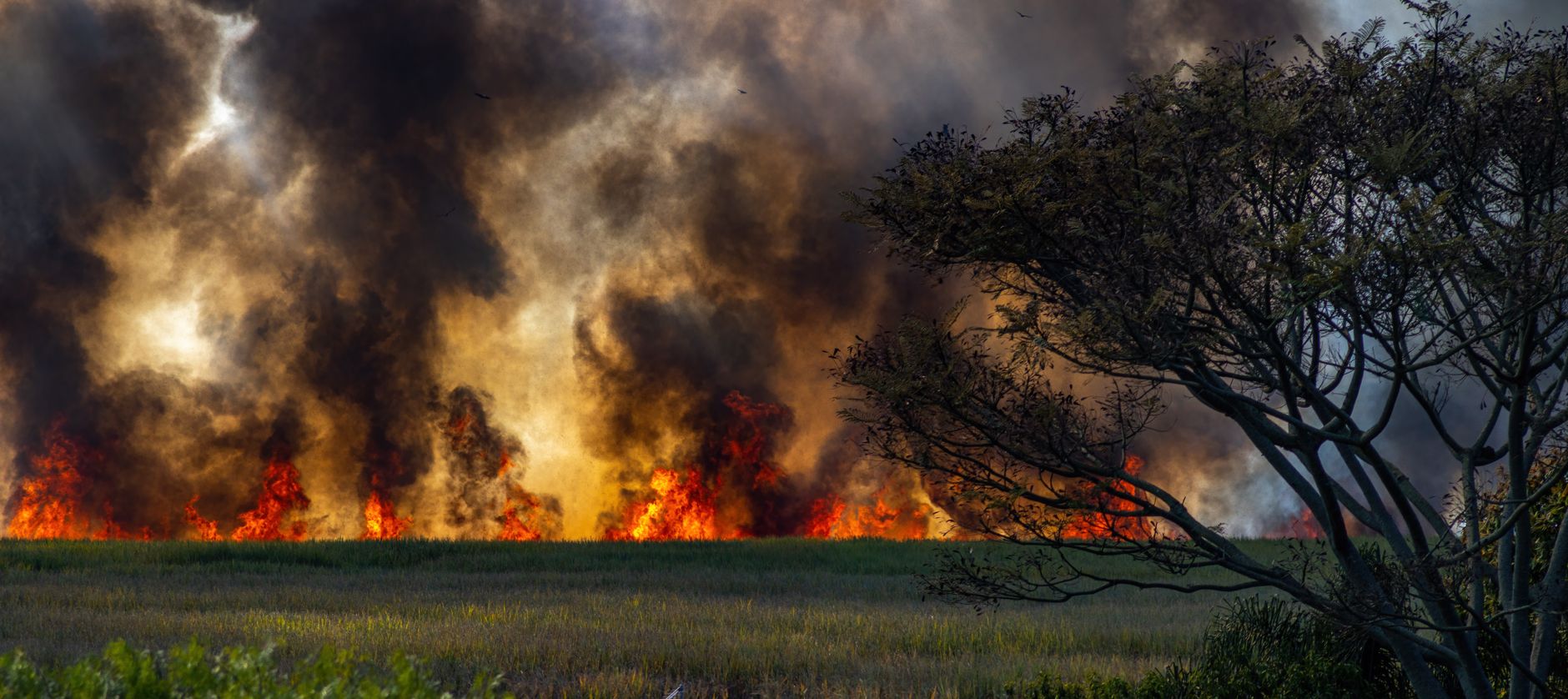
Los Angeles homeowners do not need another headline telling them wildfire risk is real. They need a plan that works in the first 72 hours of a fast-moving fire season: what to pack, how to understand evacuation zones, how to protect air quality, and how to leave without losing critical time. That is especially important in a region where dry conditions, Santa Ana winds, and dense development can turn a nearby brush fire into a neighborhood-level emergency quickly. Our Wildfire Preparedness guide covers the fundamentals behind that plan.
Your county's real disaster history, what to do first, and what to keep at home. Free, and it shows up right here.
🔒 We never sell your email. Unsubscribe in one click.
The recent reporting around Los Angeles politics and wildfire recovery underscores a practical truth: preparedness is not abstract. If you live anywhere in or near the wildland-urban interface, your household should be ready to evacuate with very little notice. The goal is not to predict the next fire. The goal is to be ready before alerts arrive.
Start with the right risk picture: what LA wildfire alerts actually mean
When fire conditions worsen, your local updates may come from several sources. Here is how to read them without confusion:
- NOAA Red Flag Warning: Fire weather conditions are favorable for rapid spread. This is a heads-up to review your plan, not a direct evacuation order.
- USGS drought and vegetation data: Drier fuels and stressed vegetation increase fire potential. If the landscape is unusually dry, fire behavior can intensify faster.
- LA County evacuation alerts and orders: An evacuation alert means be ready to go. An evacuation order means leave now. Do not wait for a second notice.
If you are unsure which zone you live in, check your county emergency map now and save it to your phone., our Los Angeles earthquake and fire risk guide breaks down LA County’s zone tiers in more detail. In wildfire season, the time to learn your zone is not when smoke is already visible. If you share your home with children, older adults, pets, or anyone with limited mobility, write the zone address and your leave route on paper and place it in a central spot.
USRR takeaway: Your evacuation plan should assume you may have minutes, not hours, to leave. A family that can act in five minutes is ahead of most households.
Your 72-hour wildfire go-bag: keep it simple, keep it realistic
For a wildfire event, “72-hour readiness” means enough essentials to get through evacuation, traffic, sheltering, and a possible temporary displacement. FEMA’s core guidance is straightforward: water, food, medications, documents, light, power, hygiene, and communications.
Build one bag per person, plus one home kit
- Water: At least one gallon per person per day if you can carry it; focus on sealed bottles for evacuation.
- Food: Ready-to-eat shelf-stable items that do not require cooking.
- Medications: A minimum 3-day supply; ideally 7 days if your doctor allows it.
- Documents: ID, insurance cards, prescriptions, home inventory photos, pet records.
- Power: Phone chargers, power bank, and a car charger.
- Smoke protection: N95 or KN95 masks for adults and older children, sealed in a clean bag.
- Clothing: Long sleeves, sturdy shoes, socks, and one change of clothes per person.
- Pet needs: Food, leash, carrier, bowls, vaccination proof.
For wildfire displacement, food matters more than many people expect. Road closures, power outages, and overcrowded stores can limit options quickly. A few days of shelf-stable meals can make the difference between a manageable evacuation and a stressful scavenger hunt.

📦 Recommended: The Lost Superfoods
When wildfire smoke, power outages, or road closures disrupt normal shopping, shelf-stable foods help you stay fed without relying on open stores. This is especially useful for a 72-hour evacuation kit or a home pantry reserve.
Also include cash in small bills. During regional emergencies, card readers can fail, cell service can be spotty, and some services may require cash deposits or purchases.
How to harden your home before smoke or flames are nearby
Home hardening is about buying time. You are reducing the chance that embers, not only flames, become the problem. In Southern California fires, wind-driven embers can ignite leaves, vents, fences, and decks far from the fire front.
- Clear the first 5 feet: Keep the area immediately around your home free of mulch, dry leaves, stacked wood, and combustible décor.
- Clean gutters and roofs: Remove leaves and pine needles that can catch embers.
- Trim vegetation: Space shrubs and trees to reduce ladder fuels.
- Screen openings: Use fine mesh screens on vents where appropriate to reduce ember entry.
- Relocate combustible items: Move patio cushions, propane items, and yard storage away from the house before fire weather arrives.
Do not assume you can “fireproof” a home in one afternoon. Instead, focus on the tasks that consistently improve survivability and can be done in a few hours. If you rent, you can still do meaningful readiness work: clear the balcony, document your belongings, and make sure exit paths are never blocked.
Air quality, visibility, and when to leave early
Wildfire readiness is not only about the flame front. Smoke can make staying home unhealthy even when fire is still miles away. If you see smoke, smell smoke indoors, or receive an evacuation alert, review your plan immediately.
Keep at least one room ready to serve as a cleaner-air space when smoke drifts into your neighborhood. Close windows and doors, run HVAC on recirculate if your system allows, and use a HEPA air purifier if available. If you do not have one, consider that after-action item for your preparedness list. For families with asthma, COPD, or heart conditions, a smoke plan should be as important as the evacuation bag.
During active smoke events, a well-fitted N95 or KN95 mask can reduce particle exposure when you must go outside or move between locations. It is not a substitute for evacuation if conditions worsen, but it is a useful tool for limited exposure.

📦 Recommended: Home Doctor
Wildfire season can strain clinics, urgent care, and pharmacies. A practical home medical reference is useful when smoke inhalation, minor burns, or evacuation-related injuries happen before you can get routine care.
Make your evacuation faster than the fire
The biggest preparedness advantage is speed. If your car is packed, your papers are assembled, and your departure route is known, you can leave before traffic becomes gridlocked. Build a family script that answers four questions:
- Who decides to go?
- Where do we meet if separated?
- Which route is primary, and which is backup?
- What do we grab if we have five minutes?
Keep these items near the exit: keys, shoes, chargers, meds, pet carrier, and printed contact information. If you have young children, practice a “go time” drill so they know what to do without debate. If you care for older adults, prepare a simplified grab list and set out mobility aids in advance.
Remember: if authorities issue an evacuation order, do not delay to protect property. Your life safety comes first. Well-prepared homeowners protect their homes best by leaving early enough to avoid panic-driven mistakes.
What to do next
- Look up your LA County evacuation zone and save a screenshot plus a paper copy.
- Assemble or refresh your 72-hour go-bag for every person and pet in the home.
- Walk your property and clear gutters, debris, and flammable items near the house.
- Set smoke and alert rules for when you will leave, even before an order.
- Choose a family meeting point and back-up route before fire season peaks.
Get real disaster prep, decoded from FEMA, NOAA & USGS.
One short email when something actually matters for your zip code. No spam, ever.