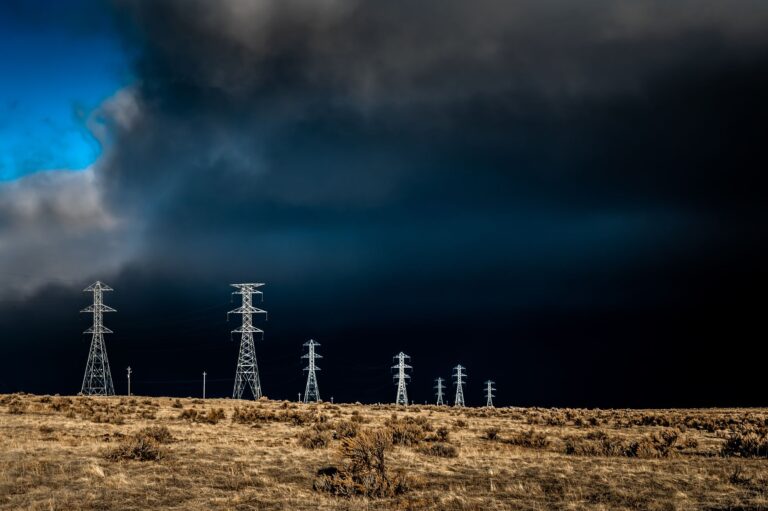

Wilmington’s free disaster preparedness expo is a reminder that hurricane season is not a future problem, it is a planning window that closes quickly. For coastal homeowners, the smartest move is to finish the basics now: know your risks, build a 72-hour kit, understand the alerts, and make a simple home plan that works even if power, water, and internet are down. Our Hurricane Preparedness guide covers those basics in full.
Your county's real disaster history, what to do first, and what to keep at home. Free, and it shows up right here.
🔒 We never sell your email. Unsubscribe in one click.
This guide translates the most useful FEMA, NOAA, and USGS preparedness advice into a practical checklist for coastal living. It is designed for homeowners who want clear steps, not drama. If a storm does threaten your area, the families who are most comfortable are usually the ones who prepared before the first cone forecast appeared.
Why a preparedness expo matters for coastal homeowners
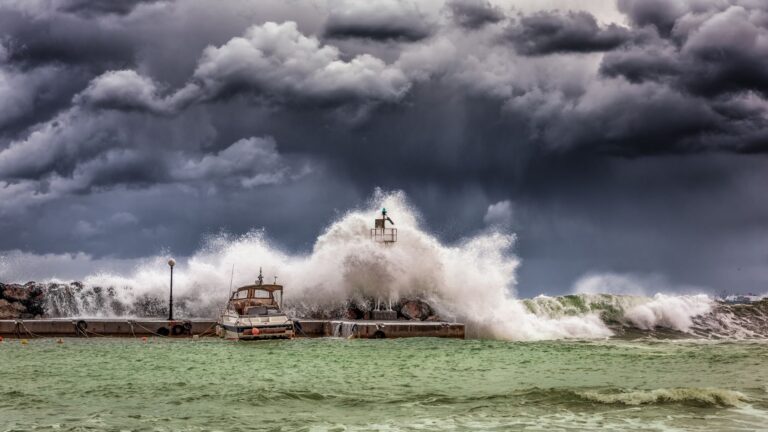
Local preparedness events often happen for a reason: emergency managers know the season is coming, and they want residents to take action while supplies, time, and attention are still available. For coastal communities, hurricanes can create several hazards at once: high winds, storm surge, inland flooding, extended power outages, boil-water notices, and road closures. The exact mix depends on the storm’s track and size, but the preparedness approach stays the same.
Think of your plan in three layers:
- 72 hours of self-sufficiency for your household.
- Property protection for wind, water, and debris risk.
- Evacuation readiness if local officials issue an order.
FEMA consistently emphasizes that the first 72 hours after a disaster are critical. That does not mean you must survive on your own for three days with no help forever. It means you should be ready to bridge the gap while power is restored, roads are cleared, and local response systems get moving.
Decode the alerts before you need them
One of the biggest preparedness mistakes is treating every storm message the same. NOAA and local emergency managers use specific alerts for different levels of urgency. Knowing the difference helps you act early and calmly.
- Watch: Conditions are favorable. Review your plan, top off supplies, and monitor updates.
- Warning: Dangerous conditions are expected soon. Finish final preparations immediately and follow official instructions.
- Evacuation order: Leave if you are in the affected area. Do not wait to “see what happens.”
For coastal homeowners, two other terms matter. Storm surge is the rise of seawater pushed inland by wind and pressure; it can be life-threatening even in a weaker storm. Flood watch or flood warning may be issued far from the beach because hurricanes often dump heavy rain well inland. The storm’s wind category does not tell the whole story.
USGS data and local flood maps can help you understand whether your home is exposed to storm surge, river flooding, or poor drainage. If you live in a low-lying area, your evacuation trigger may be flood risk rather than wind speed alone.
Your 72-hour hurricane checklist
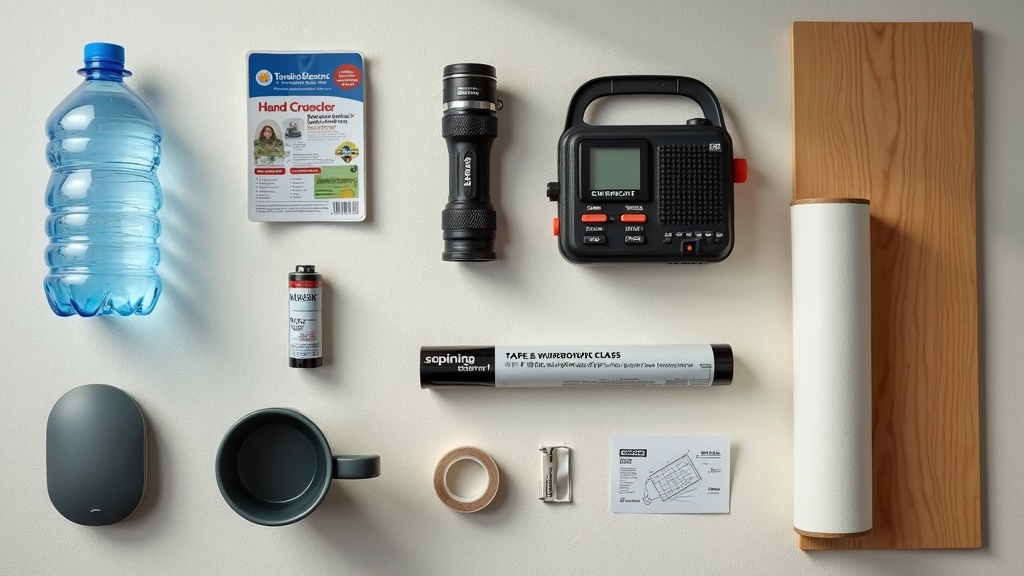
A good kit is not a giant survival fantasy. It is a compact, practical set of items that covers water, food, light, communication, and basic medical needs. Build for the people and pets in your home, then store everything in one place you can reach quickly.
Water and food
- Water: One gallon per person per day for at least three days. More is better in hot weather.
- Food: Three days of shelf-stable items your family will actually eat.
- Manual can opener and disposable plates/utensils.
- Pet water and food if you have animals.
Power, light, and communication
- Flashlights and extra batteries; avoid relying only on candles.
- Power banks charged in advance for phones and small devices.
- Battery or hand-crank weather radio for NOAA alerts.
- Car charger and backup cords.
Medical and household basics
- Prescription medications for at least 72 hours, if possible.
- First-aid supplies for cuts, burns, and minor injuries.
- Toiletries, hygiene wipes, trash bags, and hand sanitizer.
- Copies of key documents in a waterproof pouch.
If your household includes older adults, infants, or anyone with chronic conditions, your kit should reflect those needs first. That includes specialty items like hearing aid batteries, glucose supplies, infant formula, or mobility equipment. A hurricane kit is only useful if it matches the people who will use it.
📦 Recommended: Home Doctor
When a hurricane knocks out utilities and stores are closed, a straightforward disaster guide can help you prioritize food, water, shelter, and supplies without overbuying or forgetting the essentials.
Protect the home before the wind and water arrive
Home prep is about reducing damage, not trying to make your house stormproof. Start with the easy wins, especially if you live near the coast or in a neighborhood with mature trees.
- Clear gutters and drains so rain can move away from the house.
- Bring in loose outdoor items such as patio furniture, planters, and trash bins.
- Trim weak branches that could break onto roofs, vehicles, or power lines.
- Check your shutters or plywood plan before the season starts.
- Know how to shut off water, gas, and electricity if local guidance says to do so.
Focus on the openings and lower areas of your home. Water often finds the weakest point first. If you have a garage, make sure the door is in good condition; if you have a basement or crawlspace, store valuables and documents higher than potential flood water. If you live in a flood-prone zone, place sandbags only if local officials recommend them and you understand their limits. Sandbags help redirect shallow water, but they are not a guarantee against surge or major flooding.
Also, do not forget your car. A vehicle with a full tank, working wipers, and an emergency kit in the trunk can matter as much as the home kit if evacuation becomes necessary.
Make the evacuation decision before the forecast gets crowded
Hurricane planning becomes much harder when roads are busy and stations are sold out. Decide now where you would go, how you would get there, and what conditions would make you leave. If you live in an evacuation zone, do not wait for the storm to become visually threatening. Transportation, fuel, and hotel availability can change fast.
Your family plan should include:
- Two destinations: one nearby and one farther inland, if possible.
- One reunion plan: where family members will meet if separated.
- One communication plan: an out-of-area contact everyone can text.
For people with medical needs, plan extra carefully. That may mean backup medications, charging equipment, refrigeration solutions, or knowing where the nearest shelter with power support is located. If you cannot safely remain at home during a prolonged outage, explore public shelter options now rather than during the storm.
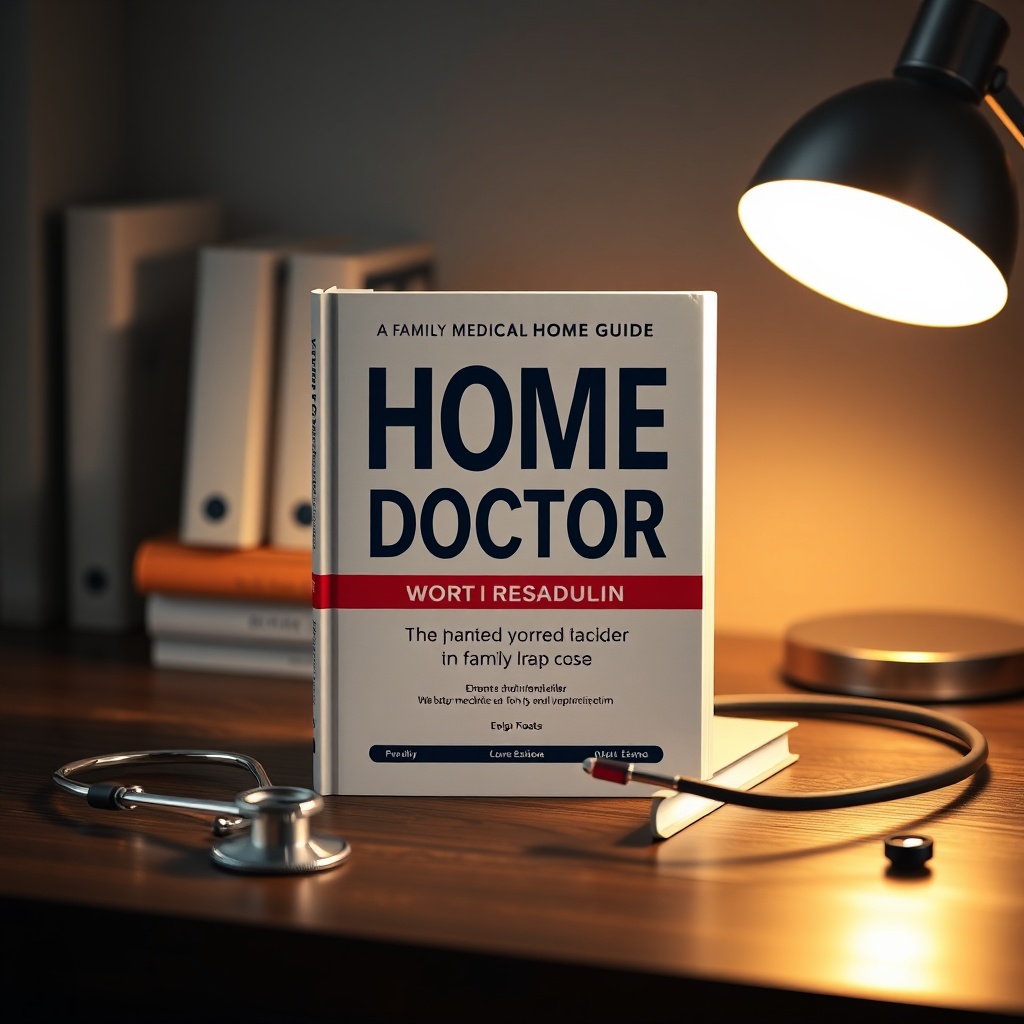
📦 Recommended: Home Doctor
If a storm disrupts clinics, pharmacies, or emergency response, a practical medical reference can help you manage minor issues safely until normal care resumes.
What to do next
Use this short list to finish your readiness plan this week:
- Build or refresh your 72-hour kit and store it where you can reach it quickly.
- Write down your evacuation route, destination, and family contact plan.
- Charge devices and power banks and replace weak batteries now.
- Review your insurance and home inventory so you know what is covered before a storm.
- Follow local emergency management and NOAA alerts as hurricane season develops.
Get real disaster prep, decoded from FEMA, NOAA & USGS.
One short email when something actually matters for your zip code. No spam, ever.