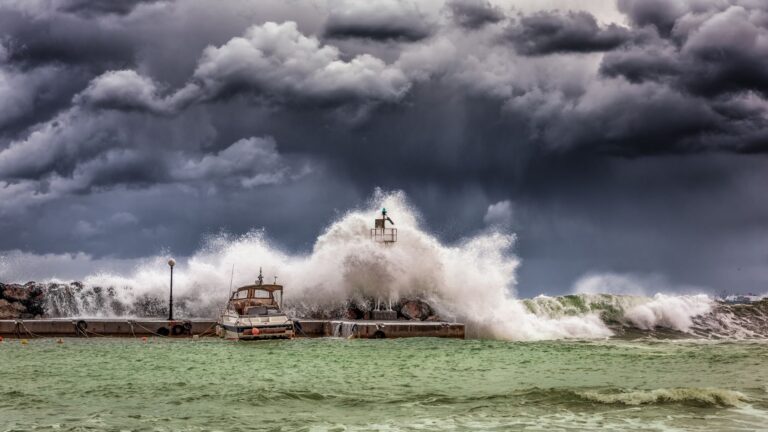

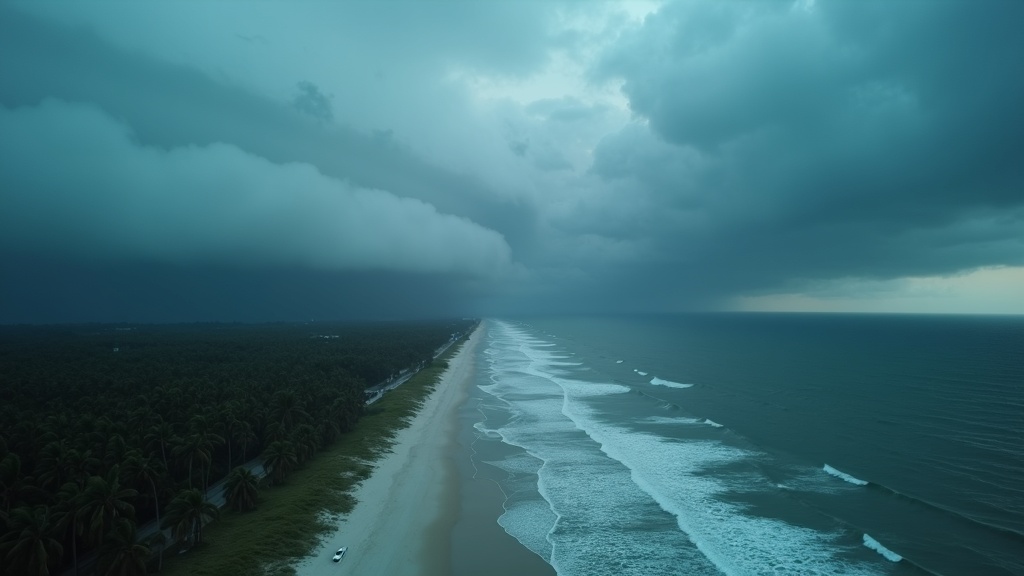
South Carolina’s proposed tax-free holiday for disaster preparedness supplies is more than a shopper’s perk. For homeowners, it’s a practical nudge to fill the gaps that often keep a family from being fully ready for the first 72 hours of a hurricane or tropical storm. That matters because in a real outage, the biggest problems usually show up fast: no clean water, no refrigeration, limited communication, and delayed access to help. Our Hurricane Preparedness guide covers what those gaps should look like once they are filled.
Your county's real disaster history, what to do first, and what to keep at home. Free, and it shows up right here.
🔒 We never sell your email. Unsubscribe in one click.
If this bill becomes law, families should treat it as a deadline to buy smart, not buy everything. The goal is simple: assemble a usable 72-hour kit, reduce avoidable costs, and close the most common readiness gaps before peak hurricane season. Below is a clear, homeowner-focused guide to what to prioritize, what to skip, and how to interpret the emergency signals that tell you whether to shelter, evacuate, or prepare for prolonged utility loss.
Why a tax-free prep holiday matters
Disaster readiness is often delayed by one thing: cost. A few gallons of water, a battery backup, a weather radio, and basic medical supplies can add up quickly. A tax-free holiday lowers that barrier and helps families make purchases they may otherwise postpone until a storm is already named and approaching the coast.
For homeowners in hurricane-prone areas, timing is everything. Once a storm is forecast to bring heavy rain, damaging wind, or storm surge, shelves can empty quickly and delivery windows get unreliable. A tax break won’t replace planning, but it can make it easier to buy the items that protect health, comfort, and decision-making during an outage.
USRR reality check: the best time to buy disaster supplies is before the forecast turns urgent. The second-best time is during a tax-free window.
What to buy first for a 72-hour kit
Think in terms of the first three days without outside support. The Federal Emergency Management Agency’s standard guidance is to be ready to manage on your own for at least 72 hours. That means the essentials should cover hydration, food, light, communication, medicine, and basic sanitation.
- Water: one gallon per person per day, plus extra for pets
- Food: shelf-stable meals that require little or no cooking
- Lighting: flashlights, lanterns, and spare batteries
- Power: portable battery banks, car chargers, and backup charging cords
- Information: NOAA weather radio and phone backup methods
- Health: prescription meds, first aid supplies, and over-the-counter basics
- Sanitation: wipes, trash bags, hand sanitizer, and hygiene items
Buy the items that solve multiple problems at once. A battery-powered weather radio, for example, keeps you informed when the grid is down and the internet is spotty. A cooler with ice packs helps protect temperature-sensitive medications if the power fails. A simple home inventory list helps you remember what you already have, so you do not overspend on duplicates.
What most homeowners forget to buy
Many families think of food and flashlights, but miss the items that matter most once the storm has passed and the outage continues. Hurricane impacts often last far longer than the weather event itself. Water systems may be affected, gas stations may have power issues, and cell towers can go offline or run on backup batteries for only so long.
Here are the commonly missed items that deserve a spot on your shopping list:
- Manual can opener for shelf-stable food
- Plastic storage bins to keep supplies dry and organized
- Headlamps for hands-free repairs and cleanup
- Power strips and charging cables for safe device management
- Copies of key documents in waterproof protection
- Pet supplies including food, medication, leash, and carrier
- Cash in small bills for places that cannot process cards
Water is especially easy to underestimate. After hurricanes, local utility systems can be disrupted by flooding, pressure loss, or contamination. If your home depends on municipal water, have enough stored water to get through at least three days without assuming tap water will be safe or available.
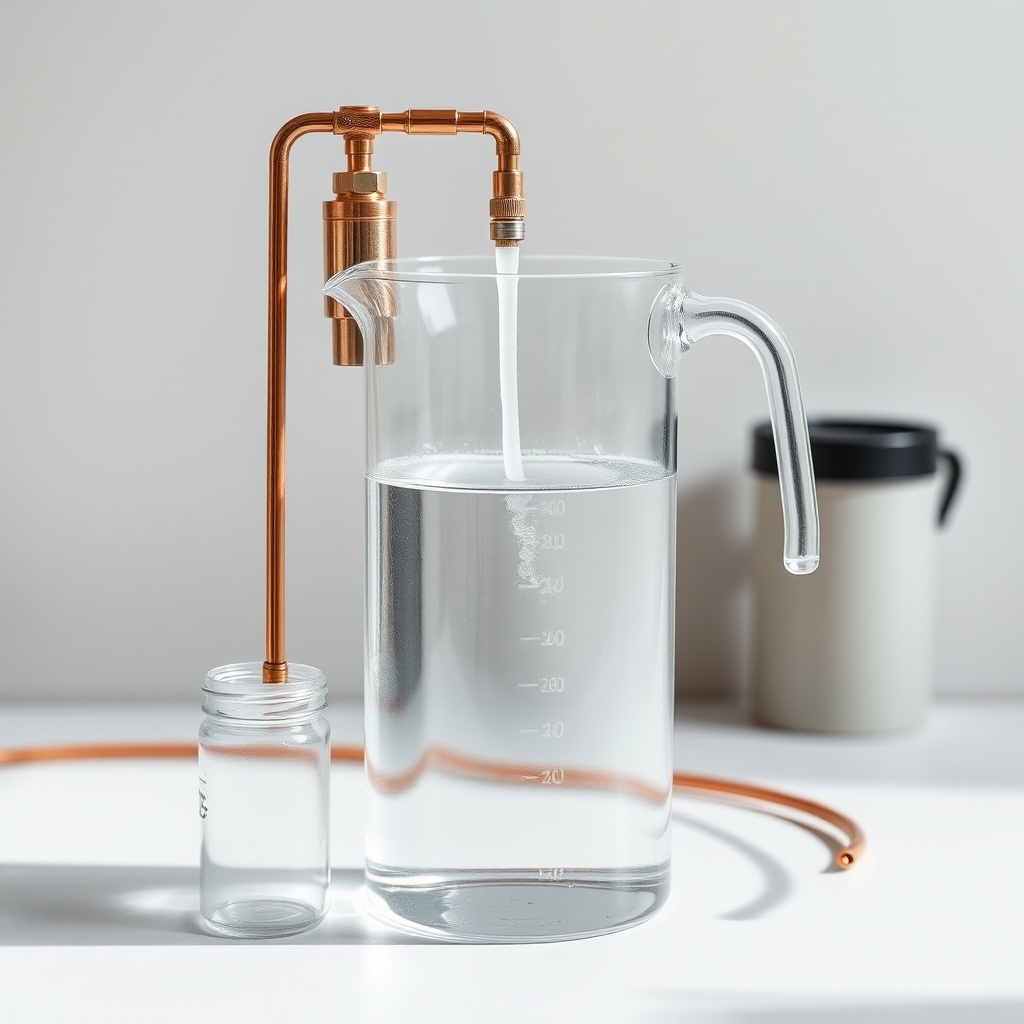
📦 Recommended: Water Freedom System
Hurricanes can disrupt municipal water, and many homeowners do not have a backup plan for clean drinking water. This option is relevant if you want a household water resilience layer beyond stored bottles.
How to read the weather and emergency signals
Preparedness improves when you understand the language of alerts. NOAA, FEMA, and the National Weather Service use specific terms for a reason. They are not interchangeable.
- Watch: conditions are favorable. Prepare now and monitor updates.
- Warning: hazardous weather is happening or imminent. Take protective action immediately.
- Evacuation order: local authorities advise leaving an area due to surge, flooding, fire, or other hazard.
For hurricanes, pay close attention to the forecast cone, rainfall totals, storm surge potential, and local flood alerts. A storm does not need to make landfall at your exact address to create major problems. Heavy rain can flood roads, and tropical-storm-force winds can cause multi-day outages even well inland.
USGS data becomes especially useful after the storm. If your area has streams, creeks, or flood-prone drainage, USGS river gauges can help you understand whether water is rising, falling, or still dangerous. In a flood event, local gauge trends are often more actionable than social media posts.
How to use a tax holiday without wasting money
A tax-free window should sharpen your buying plan, not expand it endlessly. Start with a checklist and rank items by urgency. If your family is missing water storage, batteries, and a weather radio, buy those first. If you already have the basics, use the savings to upgrade durability: a better lantern, larger power bank, or longer-lasting food supply.
Also, think about your home’s weak points. In hurricane season, many households need more than supplies, they need a plan for power loss. Refrigeration, device charging, and simple lighting can become daily problems after an outage, especially if restoration takes longer than expected.

📦 Recommended: Blackout Protocol
Hurricanes often leave multi-day outages behind even when the storm itself has passed. A home power plan helps you keep essentials running, preserve food, and charge devices more reliably.
What to do next
- Make a 72-hour inventory of what you already own before you shop.
- Prioritize water, light, and power over convenience items.
- Check local hurricane and flood guidance from NOAA and your county emergency office.
- Store receipts and keep supplies organized so you can rotate food, batteries, and medicine before expiration.
- Review your family plan for pets, medications, and evacuation routes.
Get real disaster prep, decoded from FEMA, NOAA & USGS.
One short email when something actually matters for your zip code. No spam, ever.