
Table of Contents
Seattle earthquake preparedness is essential for protecting your family and property. This comprehensive guide provides actionable strategies based on real-time government data from FEMA, NOAA, and USGS.
Your county's real disaster history, what to do first, and what to keep at home. Free, and it shows up right here.
🔒 We never sell your email. Unsubscribe in one click.
For the fundamentals that apply across every US seismic zone, see our Earthquake Preparedness guide.
Get your ZIP-code disaster plan in 60 seconds
Built from live FEMA, NOAA & USGS data for your address. Free PDF.
Seattle Earthquake Preparedness: A Comprehensive Guide
Seattle, Washington, is a city renowned for its vibrant culture, stunning natural beauty, and robust economy. Yet, beneath its surface lies a complex geological landscape that necessitates a proactive approach to disaster preparedness. As an expert in risk assessment, USRiskRadar.com is committed to providing you with authoritative and actionable information to safeguard yourself, your family, and your community.
Earthquakes are an undeniable reality for residents of the Pacific Northwest. This guide will equip you with the knowledge and tools necessary for effective Seattle Earthquake Preparedness, ensuring you are ready before, during, and after a seismic event.
Understanding Seattle’s Seismic Landscape
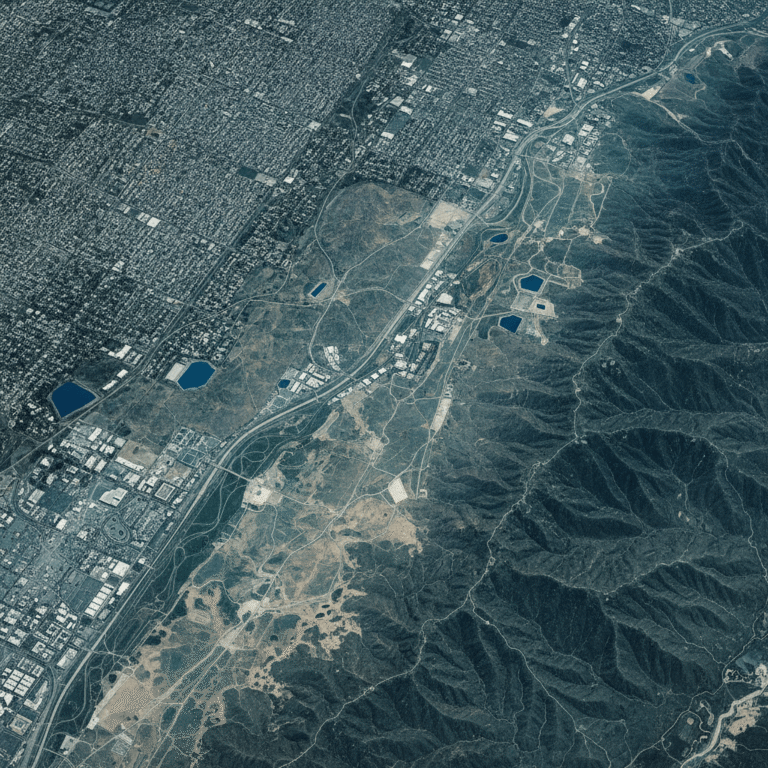
Washington State sits at the convergence of several tectonic plates, making it one of the most seismically active regions in the United States. Seattle specifically faces threats from three primary types of earthquakes:
- Shallow Crustal Earthquakes: These occur on faults within the North American plate, such as the Seattle Fault, which runs directly beneath the city. These quakes can be particularly damaging due to their shallow depth and proximity to urban areas.
- Deep Intraplate Earthquakes: Originating deep within the subducting Juan de Fuca plate, these events can be felt over a wide area, though their deep hypocenters often mitigate surface damage compared to shallow quakes. The 2001 Nisqually earthquake was an example of this type.
- Cascadia Subduction Zone Megathrust Earthquakes: The most significant threat, these infrequent but massive earthquakes occur along the interface where the Juan de Fuca plate slides beneath the North American plate. Scientists estimate a significant chance of a magnitude 8 or 9 earthquake along this zone in the coming decades, capable of generating widespread damage and tsunamis along the coast.
Understanding these risks is the first step in effective preparedness. It’s not a matter of if, but when, a significant earthquake will impact our region.
Current Risk Status
Staying informed about current conditions is vital for all types of preparedness. Here’s a snapshot based on the latest available data:
- FEMA Recent Declarations: Our system encountered a technical difficulty accessing recent FEMA declarations at the time of this report. However, it is crucial to remember that Washington State, like many regions, has experienced and recovered from various federally declared disasters in the past, underscoring the constant need for preparedness.
- NOAA Active Alerts: NOAA’s active alerts data, as of our last check, indicated ongoing weather-related advisories in the broader region of Washington State (specifically for coordinates around -120.77, 48.38). While not directly earthquake-related, these alerts serve as a reminder of the dynamic nature of natural hazards and the necessity for comprehensive preparedness plans that account for multiple potential risks.
- USGS Recent Earthquakes: Recent USGS data recorded a Magnitude 2.6 earthquake 11 km S of Pa‘auilo, Hawaii, on February 25, 2026, at 00:26:43 UTC. Additionally, a Magnitude 5.0 earthquake was recorded 48 km NW of Barishal, Pakistan, on February 25, 2026, at 00:12:59 UTC. While these specific events are not local to Seattle, they highlight the continuous seismic activity globally and serve as a critical reminder of the ever-present potential for earthquakes, even in areas perceived as less active.
The Three Pillars of Earthquake Preparedness
Effective earthquake preparedness rests on three fundamental pillars: building an emergency kit, making a plan, and staying informed.
1. Build an Emergency Kit
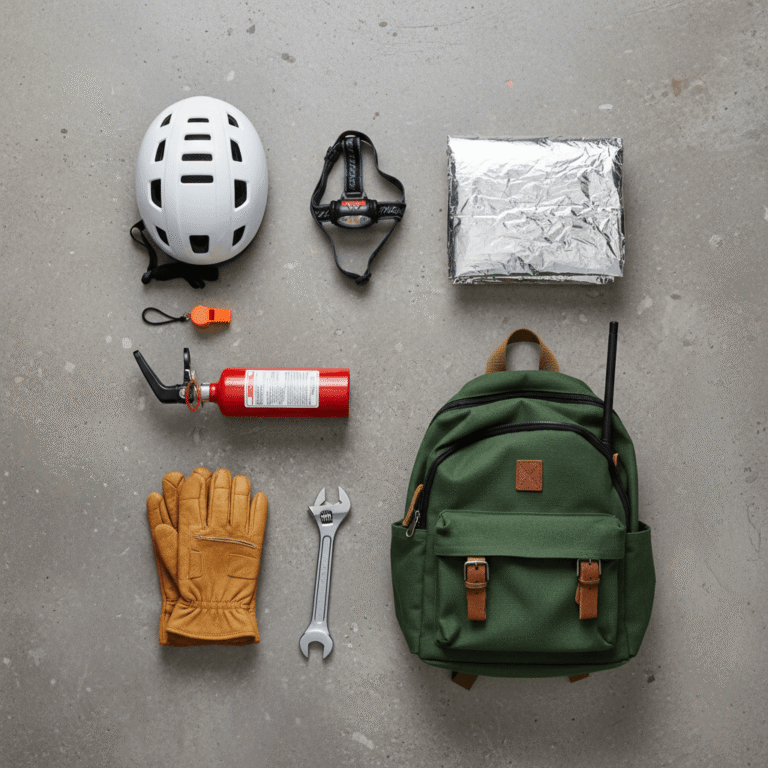
Your emergency kit should contain enough supplies to sustain your household for at least three days, ideally two weeks, in the event that services are disrupted. Store it in an easily accessible, sturdy container.
- Water: One gallon per person per day for drinking and sanitation.
- Food: A three-day to two-week supply of non-perishable food items.
- First-Aid Kit: Including bandages, antiseptic wipes, pain relievers, and any necessary prescription medications.
- Lighting: Flashlight with extra batteries, or a headlamp.
- Communication: Battery-powered or hand-crank radio (NOAA Weather Radio capable).
- Tools: Whistle to signal for help, wrench or pliers to turn off utilities, multi-tool.
- Shelter & Warmth: Mylar blankets, sleeping bags, change of clothes.
- Sanitation & Hygiene: Wet wipes, hand sanitizer, garbage bags, personal hygiene items.
- Important Documents: Copies of insurance policies, identification, bank account records in a waterproof, portable container.
- Cash: Small bills, as ATMs and electronic transactions may be unavailable.
- Special Needs: Supplies for infants, elderly, individuals with disabilities, and pets (food, water, medications).
- Dust Mask & Plastic Sheeting: To help filter contaminated air and create a temporary shelter.
2. Make a Plan
A well-rehearsed plan can reduce confusion and anxiety during an emergency.
- Family Communication Plan: Establish an out-of-state contact person for family members to check in with. Local phone lines may be overwhelmed.
- Safe Places: Identify safe spots in each room of your home (under sturdy furniture, away from windows).
- Practice "Drop, Cover, and Hold On": Regularly practice this life-saving technique with your family.
- Utility Shut-Off: Know how and where to turn off gas, water, and electricity. Ensure you have the necessary tools and educate all capable household members.
- Evacuation Routes: Plan primary and secondary evacuation routes from your home and neighborhood. Designate an outdoor family meeting point.
- Workplace & School Plans: Familiarize yourself with emergency plans at your workplace and children’s schools.
3. Stay Informed
Access to reliable information is crucial for making timely decisions.
- Local Alerts: Sign up for emergency alert systems like AlertSeattle and King County Alerts.
- NOAA Weather Radio: Invest in a NOAA Weather Radio for critical alerts, especially during power outages.
- Trusted Sources: Follow official city, county, and state emergency management social media accounts and websites.
- Community Involvement: Participate in local preparedness groups or training programs like CERT (Community Emergency Response Team).
Localized Emergency Checklist for Seattle, Washington
Beyond the general steps, Seattle residents should consider these specific actions:
- Secure Your Home: Bolt down water heaters and tall, heavy furniture to wall studs. Use earthquake straps for electronics.
- Gas Line Connectors: Install flexible connectors on gas appliances to reduce the risk of leaks.
- Tsunami Awareness: If you live, work, or frequent areas near Puget Sound or the Pacific coast, know your tsunami evacuation routes and safe zones.
- Multiple Stash Points: Keep small emergency kits in your car and at work, in addition to your home kit.
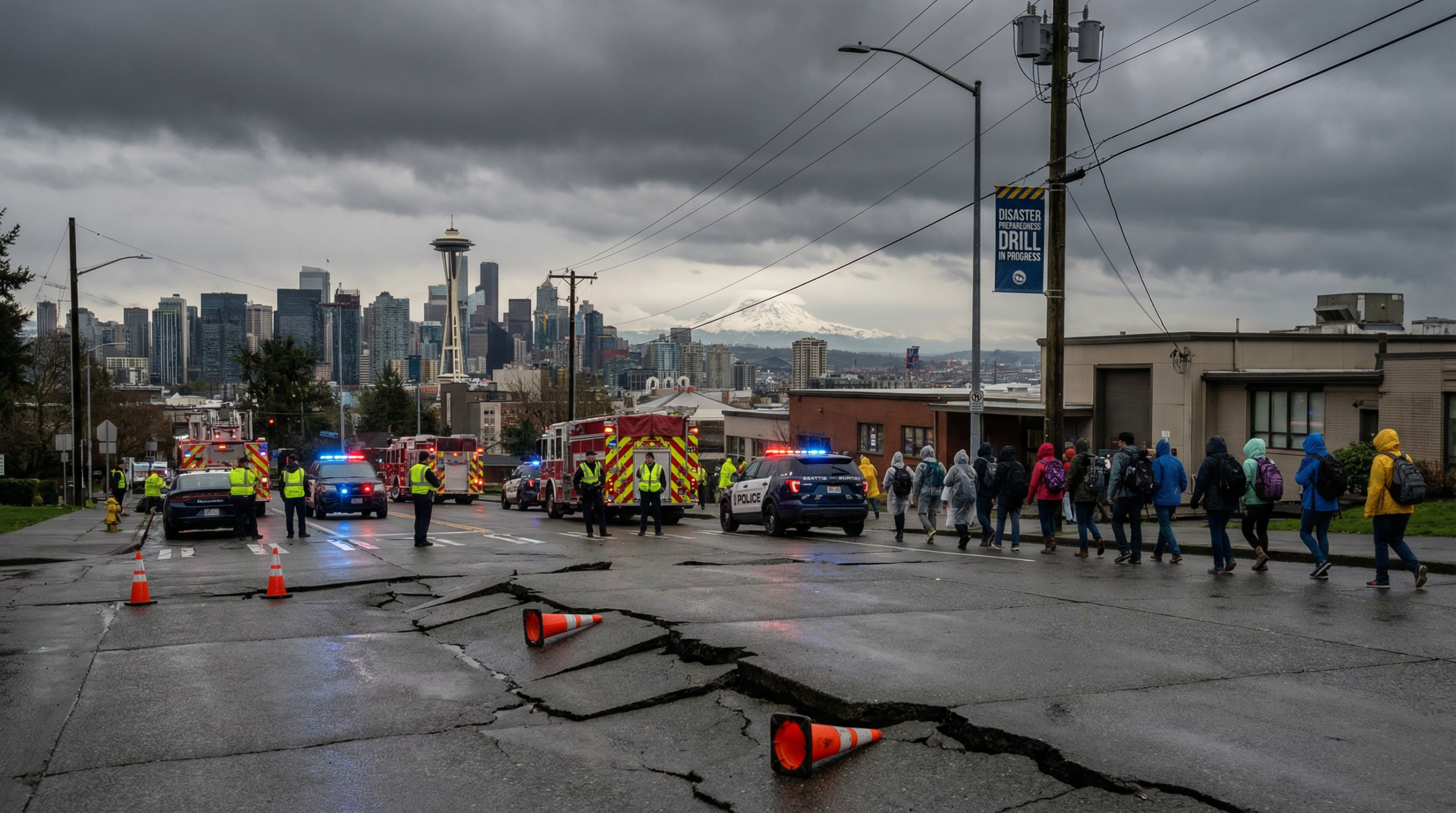
- Participate in The Great Washington ShakeOut: Join millions in practicing earthquake safety annually.
Local Resources
Seattle and Washington State offer numerous official resources to assist with preparedness:
- Seattle Office of Emergency Management (OEM): seattle.gov/emergency-management
- King County Office of Emergency Management: kingcounty.gov/depts/executive/emergency-management.aspx
- Washington State Emergency Management Division: mil.wa.gov/emergency-management-division
- Seattle Public Utilities: Provides information on water shut-off procedures and emergency water supply.
Conclusion
Seattle Earthquake Preparedness is an ongoing responsibility, not a one-time task. While the thought of a major earthquake can be unsettling, proactive preparation empowers you to face potential challenges with confidence and resilience. Take the steps outlined in this guide today to protect what matters most.
Disclaimer: This guide is for informational purposes only. Always follow directives from local emergency management authorities.
Get real disaster prep, decoded from FEMA, NOAA & USGS.
One short email when something actually matters for your zip code. No spam, ever.