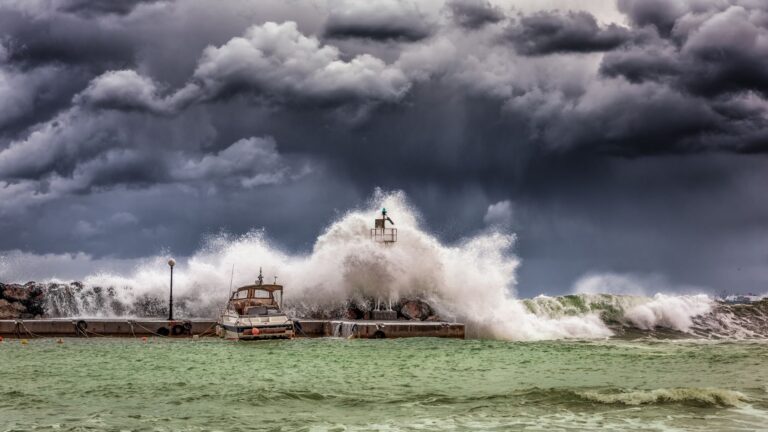


Annual hurricane preparedness expos are useful because they do one simple thing well: they remind homeowners to update their plan before a storm is forecast. That timing matters. Once a hurricane watch or warning is issued, stores empty quickly, fuel lines grow longer, and small gaps in planning become big problems. For most families, the goal is not to “ride out” a hurricane on hope. The goal is to stay safe and self-sufficient for at least 72 hours if power, water, roads, or cell service are disrupted.
Your county's real disaster history, what to do first, and what to keep at home. Free, and it shows up right here.
🔒 We never sell your email. Unsubscribe in one click.
FEMA’s core message is consistent: be able to take care of your household for three days without outside help. For hurricane season, that means preparing for more than wind. It means possible flooding, contaminated water, extended outages, blocked roads, and interruption to pharmacies and gas stations. A good plan does not need to be complicated. It needs to be complete, practiced, and easy to use under stress.
What a 72-hour hurricane plan should cover
A practical 72-hour readiness plan begins with four questions: How will we receive alerts? Where will we go if we need to leave? How will we stay supplied if we shelter at home? And how will we communicate if phones fail? If you can answer those questions clearly, you are already ahead of most households.
Start with your alert sources. Use official channels such as the National Hurricane Center, local National Weather Service offices, and county emergency management alerts. A hurricane “watch” means hurricane conditions are possible in the watch area, typically within 48 hours. A “warning” means hurricane conditions are expected, usually within 36 hours. That difference is important because it is the point at which final preparations should already be done.
Next, decide whether you are evacuating or staying. If you are in an evacuation zone or low-lying flood area, know your route and destination in advance. Do not wait for the first rain bands to map your drive. If you are sheltering in place, choose the safest interior room on the lowest level that is not prone to flooding, and make sure everyone in the home knows where it is.
Build the kit around real hurricane risks
For a 72-hour hurricane kit, think in categories, not random items. Water, food, light, power, medicine, hygiene, documents, and communication are the essentials. The standard starting point is one gallon of water per person per day, plus extra for pets. That is enough for drinking and limited sanitation, but if local water service is interrupted, you may need a backup solution for treating or producing safe water.
Food should be shelf-stable and require little or no cooking. Good options include canned beans, tuna, peanut butter, protein bars, fruit cups, and ready-to-eat meals. Include a manual can opener. If you depend on refrigeration for insulin or other medication, have a backup plan in place before the storm season peaks.
Power outages are one of the most common hurricane impacts, and they can last longer than expected, especially after widespread tree damage or transmission failures. Keep flashlights, extra batteries, a battery bank for phones, and a weather radio. Do not rely on a single device. If one battery dies, your backup should still work.

📦 Recommended: Blackout Protocol
Hurricanes often leave homes without power for days, sometimes longer. A simple home power plan helps you manage charging, lighting, and basic comfort without scrambling after the outage begins.
Medical readiness is another area homeowners often underestimate. Keep at least a 72-hour supply of prescription medications in a waterproof bag, along with over-the-counter basics like pain relievers, antihistamines, antacids, and any child-specific items your family needs. A compact first-aid kit should include bandages, antiseptic wipes, gauze, tape, gloves, and any personal medical supplies.
If emergency rooms and urgent care centers are busy after the storm, having a basic at-home medical guide can reduce avoidable trips and help you handle minor injuries safely until routine care resumes.
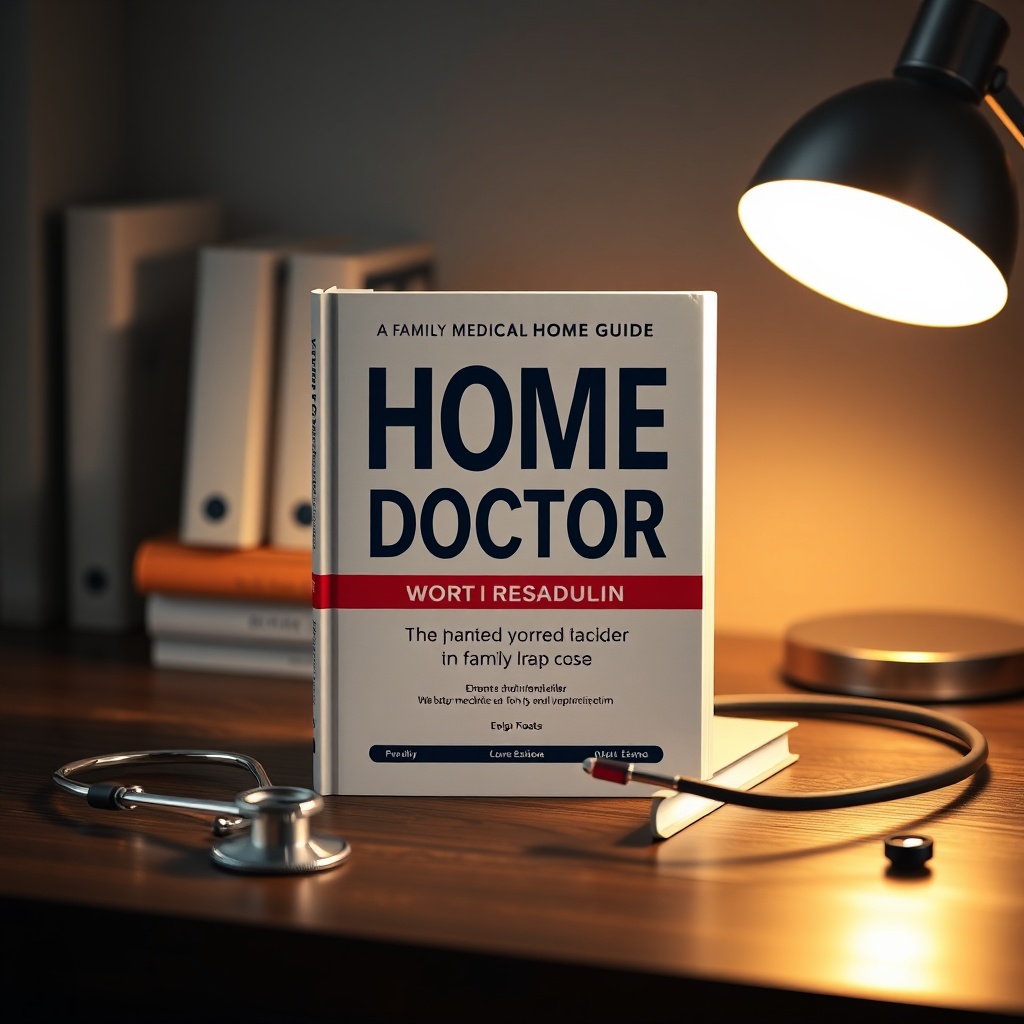
📦 Recommended: Home Doctor
When a hurricane strains local medical services, knowing how to handle common injuries and illnesses at home can save time and reduce stress. It’s a practical fit for the 72-hour window families should be ready to manage.
Water, sanitation, and the hidden hurricane problem
Many homeowners focus on wind and power but forget that hurricane flooding can contaminate local water systems. Even if your tap still runs, the water may not be safe to drink until officials confirm otherwise. That is why water storage and sanitation planning are critical parts of readiness.
Keep sealed water containers on hand. For a family, this means more than a few bottles in the garage. Think in terms of gallons, not cups. Also store disinfecting wipes, hand sanitizer, trash bags, paper products, and household bleach if your local guidance recommends it for emergency sanitation use. Keep pets in the plan too, including their water and food supply.
If you live in an area where storm surge or floodwater could affect wells or municipal systems, a backup water method is worth serious consideration. A hurricane can turn a plumbing issue into a household safety issue fast, especially if you cannot easily get out to restock.
Documents, communication, and the family decision tree
A 72-hour readiness plan should include copies of essentials: IDs, insurance cards, prescriptions, mortgage or lease information, medical contacts, and emergency phone numbers. Store paper copies in a waterproof folder and keep digital backups in a secure cloud account or encrypted drive.
Communication also needs a simple rule set. Choose one out-of-state contact everyone can text if local calls are unreliable. Make sure children know who to call and where to meet if family members are separated. If you evacuate, leave a note on the door or follow your community’s recommended procedure so rescue personnel do not waste time looking for you.
Finally, do a home walkthrough. Secure outdoor furniture, trim loose branches if time allows, clear gutters, and move vehicles to higher ground if flooding is likely. If you have shutters or plywood, install them before wind and rain arrive. Preparation done early is safer and far less stressful than last-minute work in deteriorating conditions.
What to do next
- Review your water, food, and medicine supplies today and confirm you can self-sustain for 72 hours.
- Check your hurricane zone and evacuation route using official local emergency information.
- Test your flashlights, radios, and chargers and replace weak batteries now.
- Copy your key documents and store them in a waterproof container.
- Walk your family through the plan so everyone knows what to do before a storm is in the forecast.
Get real disaster prep, decoded from FEMA, NOAA & USGS.
One short email when something actually matters for your zip code. No spam, ever.