
Cape Coral’s free hurricane expo is a good reminder that readiness works best when it is specific, local, and practiced before a storm is on the map. For Florida homeowners, the goal is not to stockpile everything under the sun. It is to build a practical 72-hour plan that helps your household stay safe, protect the home, and bridge the gap if power, water, or road access is disrupted for several days.
Your county's real disaster history, what to do first, and what to keep at home. Free, and it shows up right here.
🔒 We never sell your email. Unsubscribe in one click.
That is the right lens for hurricane season in Southwest Florida. NOAA forecasts and local emergency managers may tell you when risk is rising, but what matters most inside the home is whether your family can ride out the first three days with food, water, light, communication, and a plan for shutters, pets, medications, and documents. If you are in Cape Coral or anywhere along Florida’s coast, use the expo as a prompt to finish the basics now.
Why a 72-hour plan matters in Florida
Most hurricane impacts do not begin and end with the storm’s landfall. A strong tropical system can bring wind, rain, storm surge, scattered tornadoes, and long power outages. In many neighborhoods, the hardest part is the period before utility crews restore service and supply chains normalize. That is why emergency agencies regularly focus on a three-day supply target: it covers the first critical window when roads may be blocked, stores may be closed, and local services may be limited.
For a homeowner, 72-hour readiness means answering five questions in advance:
- Water: Do you have enough safe drinking water if the tap is compromised?
- Food: Can your family eat without cooking, refrigeration, or outside delivery?
- Power: How will you charge phones, power a radio, and manage outages?
- Medical: Do you have medications, first-aid supplies, and backups for essential devices?
- Home protection: Are windows, doors, gutters, and outdoor items secured?
If you can answer yes to those five, you are already ahead of many households that wait until a storm warning to begin shopping.
Step 1: Build your water plan before the shelves empty
Water is the first item to secure because hurricanes can interrupt municipal service, contaminate private wells, or make it difficult to boil and store water safely. A common preparedness benchmark is one gallon per person per day for at least three days. That covers drinking and minimal hygiene, though hotter weather in Florida can justify more if you have the space.
Start with this simple approach:
- Store sealed drinking water in a cool, dark place.
- Rotate bottles every few months so nothing sits too long.
- Keep a few collapsible containers for refilling if you need to evacuate.
- Know how to sanitize and fill containers quickly if a storm watch is issued.
Private well owners should think differently than city-water households. If the power goes out, your pump may stop working even if the water source is intact. In that case, storage becomes even more important.
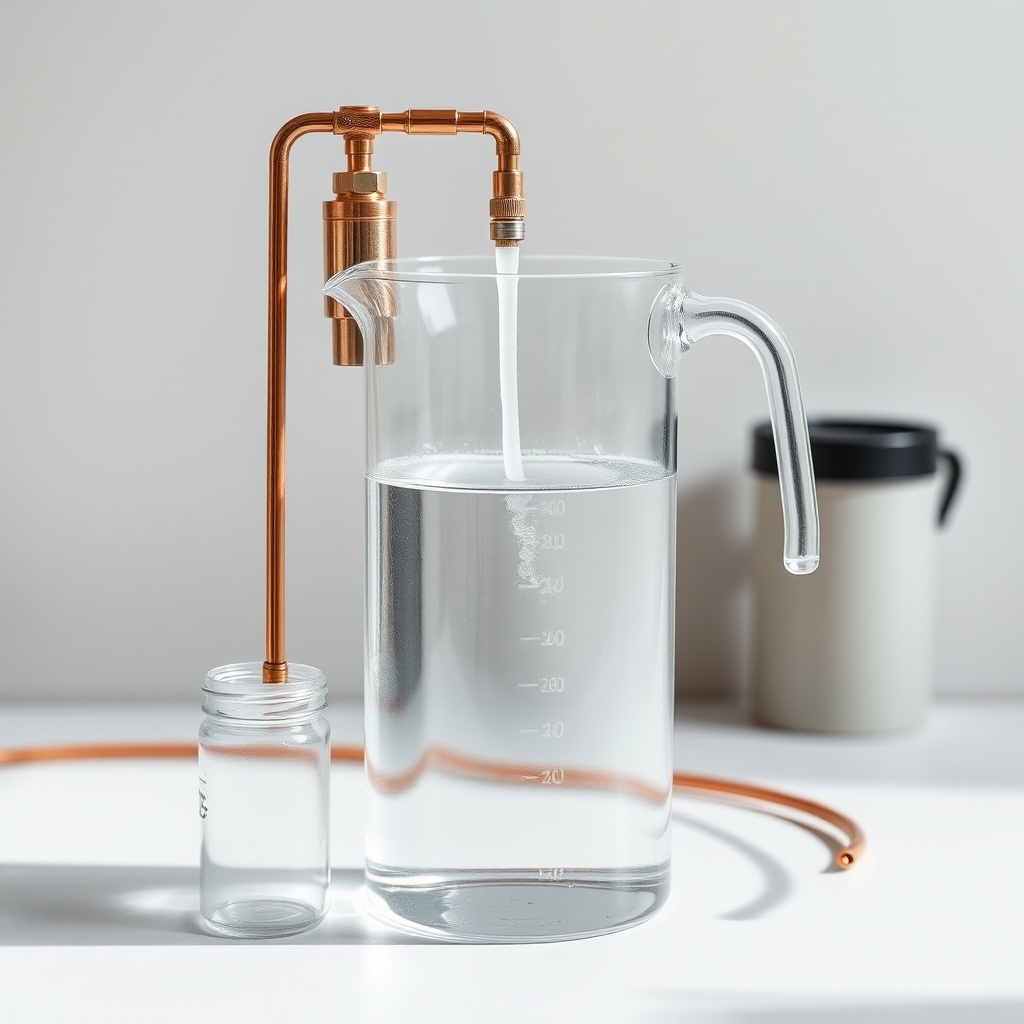
📦 Recommended: Water Freedom System
Hurricanes can disrupt municipal water service and make store-bought water hard to find. A backup water plan helps you stay self-sufficient when supply lines are stressed.
Step 2: Plan for power loss, not just power failure
In hurricane country, the question is not whether the lights will flicker. It is how long you can function if the outage lasts overnight, two days, or longer. NOAA and local utilities cannot give an exact restoration time during an active event, so homeowners should prepare for multi-day interruption.
At minimum, your home should have:
- Battery-powered flashlights and lanterns
- Portable phone chargers and power banks
- A NOAA weather radio with fresh batteries or crank capability
- Cash in small bills for fuel, food, or emergency needs
- A plan for refrigerators, garage doors, and medical devices
Make it a habit to test every device before hurricane season peaks. A charged power bank that will not hold charge anymore is not a backup; it is clutter. Label cables, keep batteries together, and store everything in one bin so you can find it quickly during a warning.
If your household depends on electronics for mobility, insulin storage, CPAP use, or communications, write down what stays powered, what can be unplugged, and who is responsible if you evacuate. That clarity reduces mistakes when stress is high.

📦 Recommended: Blackout Protocol
Florida hurricanes often leave homes without power for days. A structured outage plan helps you keep lights, devices, and routines working when the grid is down.
Step 3: Secure the house outside before the wind does it for you
One of the most useful lessons from community expos is that prevention is often cheaper than repair. A hurricane does not need to make direct landfall to damage a home. Gusts, flying debris, and wind-driven rain can turn unsecured items into hazards.
Walk your property with a checklist:
- Bring in patio furniture, grills, planters, and yard tools.
- Trim weak limbs and remove loose debris from the yard.
- Check shutters, plywood, or impact protection systems now, not after a watch is issued.
- Clear gutters and downspouts so water has a path away from the structure.
- Inspect garage doors, door seals, and window latches.
If your home is in a flood-prone area, remember that wind protection is only one part of the equation. Floodwater can enter through low openings, garages, and utility areas. Move valuables, documents, and electronics above the expected water line whenever possible, and understand your evacuation zone before the season gets active.
Step 4: Build a household medical and communications kit
Preparedness is not only about weather. It is also about continuity of care. After a storm, pharmacies may have limited hours, urgent care clinics may be crowded, and first responders may be stretched thin. A well-stocked home medical kit is one of the easiest ways to reduce avoidable problems.
Include these items:
- Seven days of prescription medication if possible
- Copies of prescriptions and provider contact information
- First-aid basics: bandages, antiseptic, gloves, pain relief, thermometer
- Personal hygiene supplies and hand sanitizer
- Backup glasses, hearing aid batteries, and pediatric essentials
Also keep a paper list of emergency contacts, because cell networks may be overloaded or your phone battery may fail. NOAA weather radios and local emergency alerts remain important because they can deliver updates even when internet service is unreliable.
Step 5: Know your evacuation triggers before you are tired and rushed
Not every Florida hurricane requires evacuation, but every household should know what would trigger it. That decision should be based on your zone, flood risk, home construction, special medical needs, and access to transportation. Waiting until roads are congested or weather deteriorates makes the process harder than it needs to be.
Use this framework:
- Review your county evacuation zones before hurricane season peaks.
- Identify two destinations: a nearby hotel or shelter area and a farther inland backup.
- Keep the car fueled when a storm approaches.
- Pack documents, medications, chargers, clothes, and pet supplies in advance.
- Make sure every household member knows who is responsible for children, pets, and valuables.
For Cape Coral homeowners, a local expo is helpful because it turns abstract advice into practical action. But the real value comes after you get home and finish the checklist. A storm-ready household is usually not the one with the most gear; it is the one that has already made decisions.
What to do next
- Today: Inventory your water, batteries, medications, and flashlights.
- This week: Secure outdoor items, test chargers, and update contact lists.
- Before the next storm watch: Confirm evacuation zones and fuel the vehicle.
- Before hurricane season peaks: Pack a 72-hour tote for each person and pet.
Get real disaster prep, decoded from FEMA, NOAA & USGS.
One short email when something actually matters for your zip code. No spam, ever.