
Savannah’s coastal vulnerability makes proactive preparation non-negotiable before hurricane season hits. Implementing essential hurricane safety tips Savannah GA residents can rely on reduces property damage and saves lives. With Chatham County historically facing significant storm surge risks and Category 3+ threats, securing your home and understanding local evacuation zones right now is critical.
Your county's real disaster history, what to do first, and what to keep at home. Free, and it shows up right here.
🔒 We never sell your email. Unsubscribe in one click.
Why Spring is the Crucial Time for Hurricane Preparedness
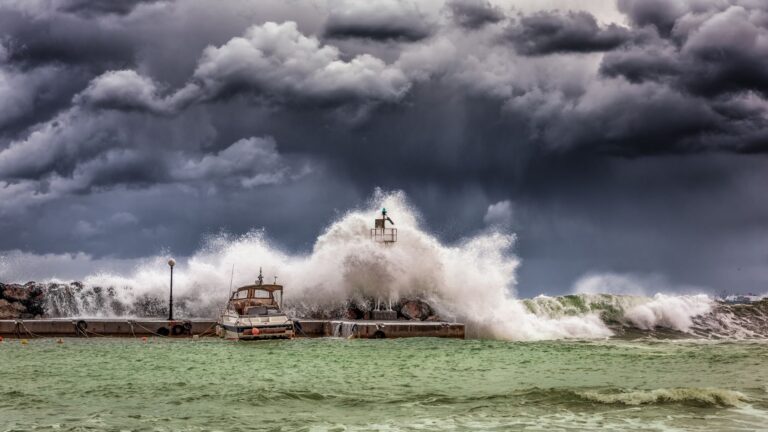
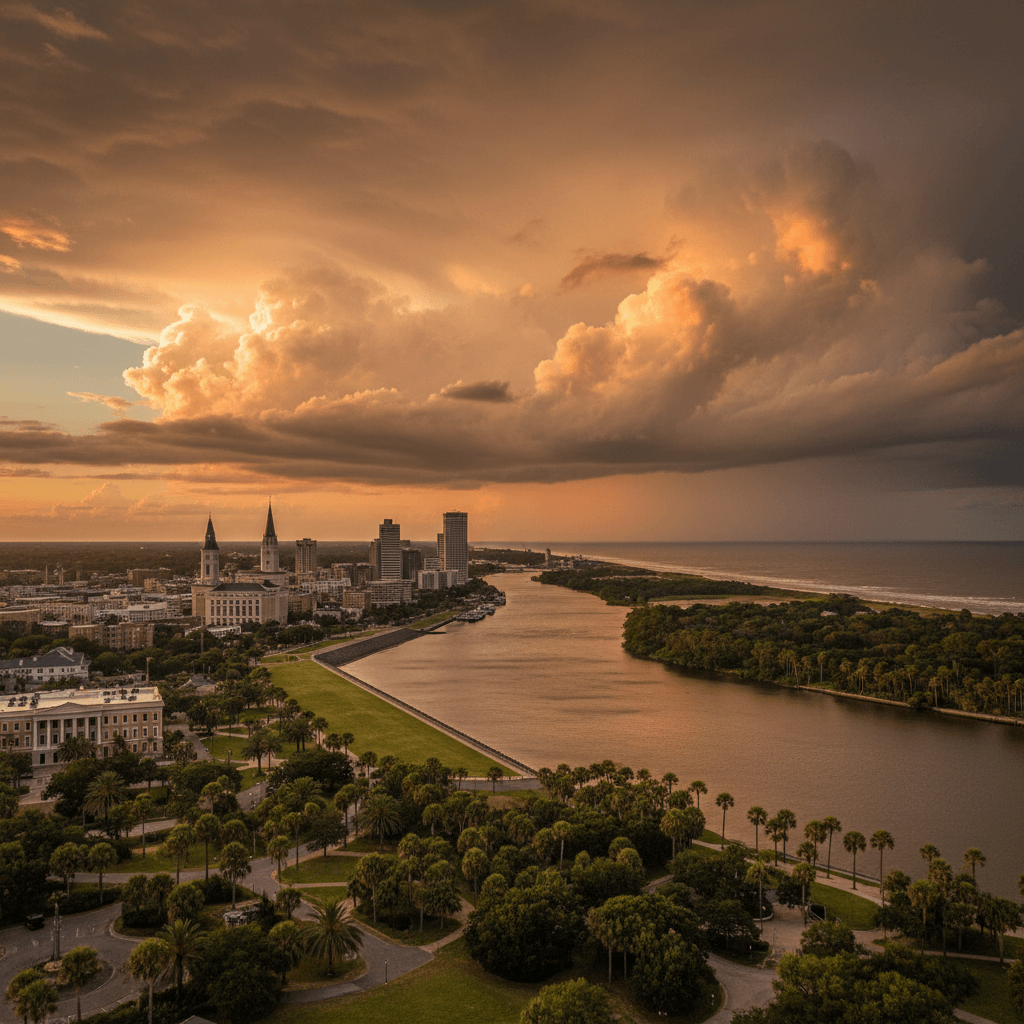
Spring is the absolute best time for comprehensive disaster planning. Waiting until a named storm is churning in the Atlantic or the Gulf of Mexico is simply too late. Right now, before this season hits, Savannah residents must take action to solidify their emergency plans. As a historic coastal city, Savannah’s unique geography, situated along the Savannah River and near the open Atlantic Ocean, exposes it to high winds, severe flooding, and devastating storm surges.
Taking action now ensures you are not caught in the last-minute rush for supplies, facing empty grocery store shelves, or stuck on congested evacuation routes. Preparing your property and your family during the calm spring months provides peace of mind and significantly increases your overall resilience when severe weather threatens the Georgia coast.
Current Hurricane and Hazard Risk Status for Savannah, GA
As of our latest real-time data retrieval, there are currently no active hurricane warnings, watches, or severe weather alerts for Savannah, Georgia, from the National Weather Service (NOAA). Furthermore, FEMA reports no active emergency declarations for Chatham County, and the USGS seismic activity monitors confirm there are no relevant earthquake threats in the region.
However, a quiet spring is exactly when you need to act. The absence of an immediate threat is your window of opportunity. Use this clear weather period to review your evacuation routes, reinforce your home, and finalize your emergency kits before the Atlantic hurricane season peaks and local resources become strained.
Comprehensive Hurricane Safety Checklist for Savannah Residents
Preparation is your best defense against coastal storms. Complete these 12 localized steps right now to protect your family and property:
- Identify Your Evacuation Zone: Savannah is located in Chatham County, which utilizes specific, color-coded evacuation zones based on flood and surge vulnerability. Verify whether you reside in Zone A, B, or C using the Georgia Emergency Management Agency’s interactive map. Do this right now, as knowing your zone dictates when you must leave.
- Map Out Inland Routes: Familiarize yourself with Interstate 16 and Highway 80, the primary evacuation routes moving west away from the coast. Because highways become congested, plan alternate backroads. Keep physical maps in your vehicle, as cell service and GPS can fail during a mass exodus.
- Secure Flood Insurance: Standard homeowners insurance does not cover flooding, a critical oversight for many coastal residents. Secure a policy through the National Flood Insurance Program (NFIP). Keep in mind there is a strict 30-day waiting period before coverage takes effect, making spring the perfect time to buy.
- Protect Historic Homes: If you live in Savannah’s renowned Historic District, ensure any structural reinforcements comply with local preservation guidelines while still offering high-wind protection. Consult with local contractors who understand both historic preservation and modern hurricane resilience standards.
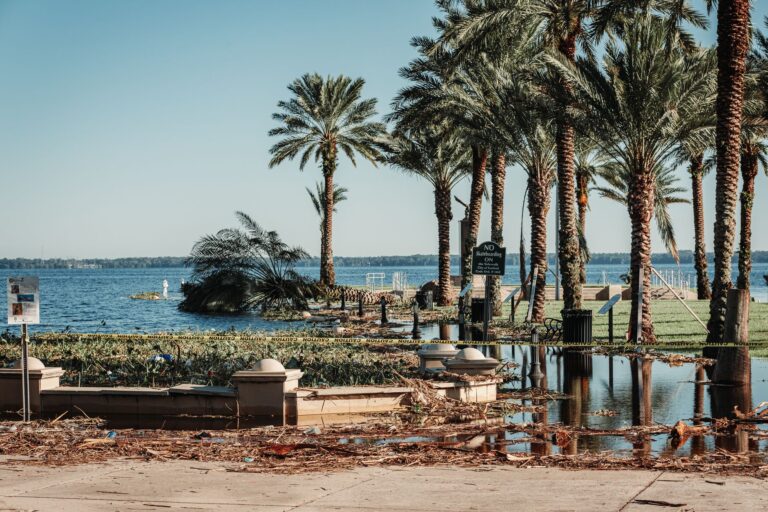
- Prepare for Storm Surge: Properties near the Savannah River, the Vernon River, or Tybee Island are highly susceptible to storm surge. Elevate critical utilities, HVAC units, and large appliances above base flood elevation. Install check valves in your plumbing to prevent floodwater from backing up into your home’s drains.
- Trim Trees and Landscaping: Savannah’s famous live oaks are beautiful but can become deadly hazards during high winds. Prune dead branches and heavy Spanish moss that could become projectiles in hurricane-force winds. Hire a professional arborist to assess the health of large trees near your roofline.
- Build a 72-Hour Survival Kit: Stock up on essential life-saving supplies to last at least three days. This includes non-perishable food, one gallon of water per person per day, manual can openers, flashlights, extra batteries, and a fully stocked first aid kit. Don’t forget a minimum two-week supply of prescription medications.
- Safeguard Important Documents: Store physical copies of IDs, insurance policies, medical records, and property deeds in a waterproof, fireproof safe. Additionally, scan these documents and upload digital copies to secure cloud storage so you can access them from anywhere if your physical home is compromised.
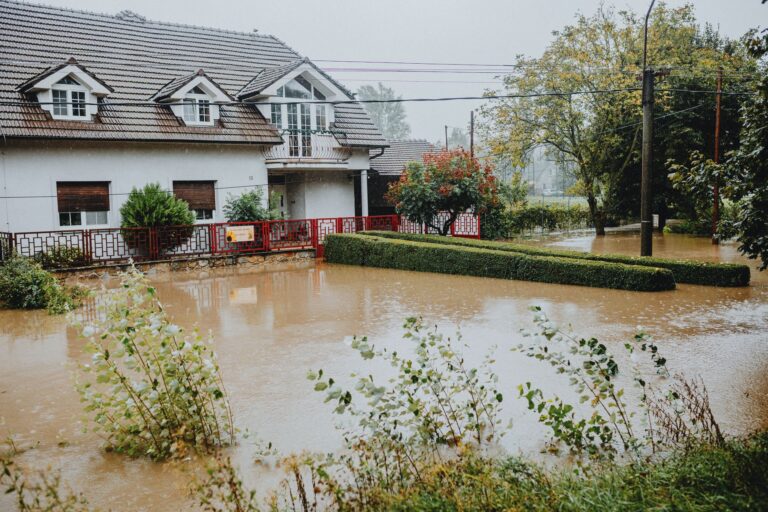
- Clear Gutters and Drains: Keep your home’s drainage systems clear of spring debris, leaves, and pine needles to prevent localized pooling during heavy torrential downpours. Proper drainage directs water away from your foundation, significantly reducing the risk of minor interior flooding during the outer bands of a storm.
- Plan for Pets: Not all emergency shelters or inland hotels accept animals. Identify pet-friendly hotels well inland or coordinate with friends and family outside the hurricane risk area. Ensure your pets are microchipped, have up-to-date vaccination records, and have their own emergency supply kit.
- Install Storm Shutters: Measure and cut marine-grade plywood for your windows now, or invest the time and money to install permanent, code-compliant storm shutters. Taping windows provides zero protection against flying debris and is a dangerous myth that Savannah residents must ignore.
- Register for CEMA Alerts: Sign up for the Chatham County Emergency Management Agency (CEMA) text and email alert system. This ensures you receive real-time, localized updates, evacuation orders, and shelter information directly to your mobile device during a crisis.
Understanding Savannah’s Interconnected Hazards
A hurricane rarely brings just one type of danger; it introduces multiple, interconnected threats simultaneously. Beyond the catastrophic high winds, the accompanying torrential rains often necessitate comprehensive flood preparedness. Coastal cities like Savannah frequently experience widespread power outages, compromised water systems, and structural impacts. The full Hurricane Preparedness guide covers all of those threats together.
Because the soil in coastal Georgia can become rapidly saturated, trees are easily uprooted, making wind damage preparedness an equally vital component of your overall safety strategy. By reviewing a robust emergency kit checklist now, you ensure you are ready to face the cascading effects of a major hurricane, from the initial impact to the prolonged recovery phase.
Post-Hurricane Safety and Recovery in Savannah
Surviving the storm is only the first half of the battle. The days immediately following a hurricane present severe, sometimes hidden dangers. Downed power lines, contaminated floodwaters, displaced wildlife, and weakened infrastructure cause numerous injuries and fatalities after the winds have died down.
If you evacuated, do not return to Savannah until local authorities officially declare it safe. Re-entry usually occurs in phases to allow emergency crews to clear primary roads and restore critical utilities. When you do return, approach your property with extreme caution. Document all damage with photographs and video before attempting any cleanup, as this is vital for your insurance claims.
Never operate a portable generator indoors, in a garage, or near open windows. Carbon monoxide poisoning is a leading cause of post-hurricane fatalities. Ensure your generator is placed at least 20 feet away from your home in a well-ventilated outdoor area.
Official Local Resources for Savannah, GA
Bookmark these official government resources for verified information before, during, and after a hurricane. Relying on official channels prevents the spread of misinformation during a crisis:
- Chatham County Emergency Management Agency (CEMA): chathamemergency.org
- Georgia Emergency Management and Homeland Security Agency (GEMA): gema.georgia.gov
- City of Savannah Official Government Website: savannahga.gov
Frequently Asked Questions About Hurricane Safety in Savannah
When is hurricane season in Savannah, GA?
Hurricane season in Savannah officially runs from June 1st through November 30th each year. The peak period for storm activity typically occurs between mid-August and late October. Preparing during the spring months is highly recommended to ensure you are ready before the highest-risk window arrives.
What is the primary evacuation route for Savannah?
The primary evacuation route for Savannah is Interstate 16 (I-16) Westbound. During a major hurricane threat, the Georgia Department of Transportation may implement a contraflow operation, reversing eastbound lanes to move traffic westward away from the coast faster. Always follow local law enforcement directions.
Does Savannah experience severe storm surges?
Yes, Savannah is highly vulnerable to severe storm surges due to its low elevation, coastal proximity, and the funneling effect of the Savannah River. Residents living on Tybee Island, Wilmington Island, and low-lying mainland areas must be prepared to evacuate immediately if a surge warning is issued.
Where can I find my Savannah evacuation zone?
You can find your specific evacuation zone by visiting the Chatham County Emergency Management Agency (CEMA) website or the GEMA interactive hurricane map. Savannah is divided into zones to facilitate phased evacuations, reducing gridlock and prioritizing the most vulnerable coastal and low-lying neighborhoods.
Are public shelters available in Savannah during a hurricane?
Yes, public shelters are opened in Savannah and inland Georgia during mandatory evacuations. However, they should be considered a last resort. Shelters provide basic safety but lack comfort. CEMA announces shelter locations, including pet-friendly options, via local news and their official website just prior to a storm.
Safety Disclaimer
Disclaimer: The preparedness information provided in this guide is for educational and informational purposes only. Natural disasters are unpredictable, and specific conditions can change rapidly. Always follow the direct guidance, mandatory evacuation orders, and emergency protocols issued by local authorities, emergency management agencies, and law enforcement.
Get real disaster prep, decoded from FEMA, NOAA & USGS.
One short email when something actually matters for your zip code. No spam, ever.