
Understanding Your Hurricane Risk in New York City
New York City faces significant hurricane threats, primarily due to its extensive coastline and low-lying coastal neighborhoods. Even as spring approaches, now is the critical time to develop a comprehensive emergency plan before the Atlantic hurricane season officially begins. Historically, NYC has experienced major storm surges, making it vital for all residents to understand their specific evacuation zone.
Your county's real disaster history, what to do first, and what to keep at home. Free, and it shows up right here.
🔒 We never sell your email. Unsubscribe in one click.
Current Risk Status: NYC Preparedness Overview
As of March 2026, there are no active hurricane or tropical storm alerts for the New York City metropolitan area, according to data from weather.gov. Furthermore, USGS reports show no seismic activity posing an immediate threat to the region. While the risk is currently low, preparedness is a year-round responsibility for every New Yorker living in flood-prone zones.
The NYC Hurricane Preparedness Checklist
Preparing for a hurricane in a dense urban environment requires specific steps tailored to apartment living and local infrastructure.
- Know Your Zone: Visit the official NYC Hurricane Evacuation Zone finder to see if you are in a high-risk flood area.
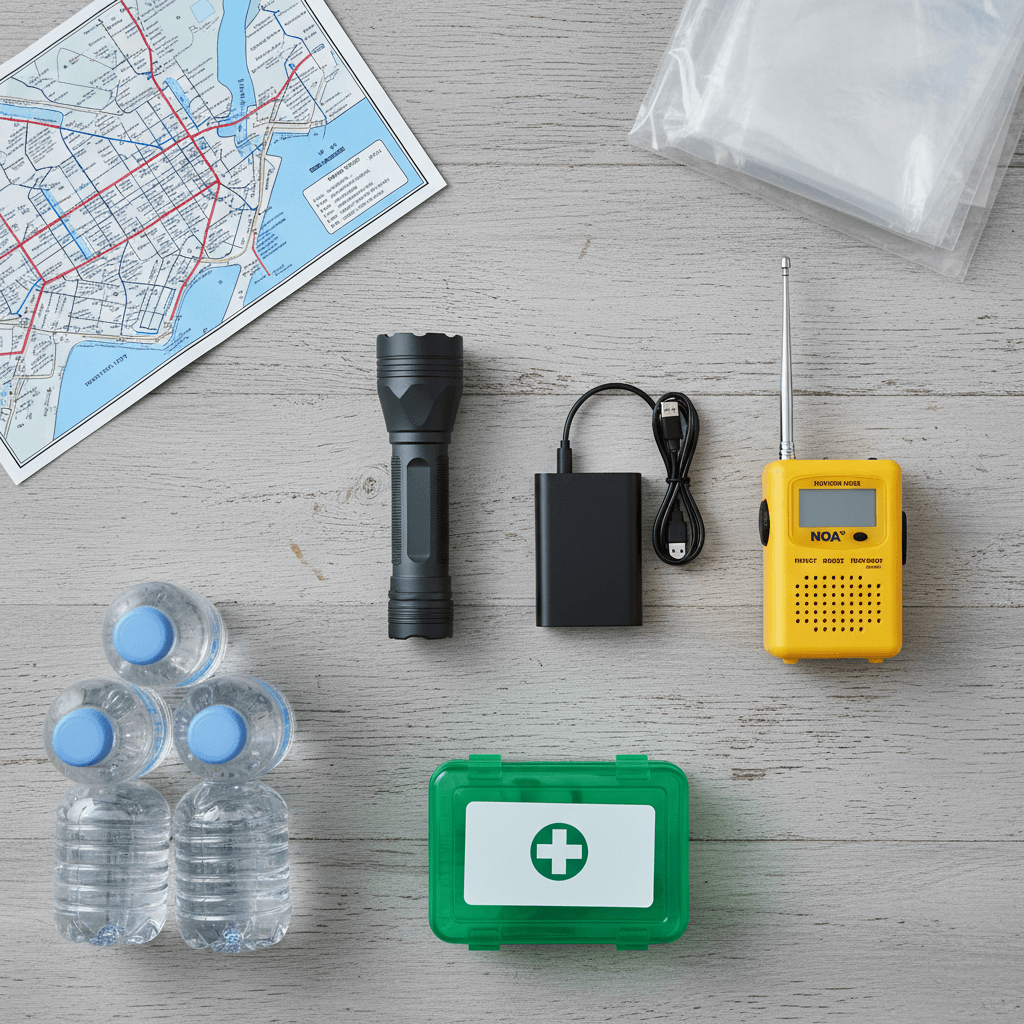
- Emergency Go-Bag: Pack a bag with non-perishable food, water, medications, and copies of important documents. For a longer-term supply, see our NYC emergency food storage guide.
- Secure Windows: If you live in a high-rise, ensure window air conditioning units are securely braced.
- Sign Up for Notify NYC: Register for the city’s official emergency alert system to receive real-time updates.
- Document Your Property: Take photos and videos of your belongings for insurance purposes before a storm hits.
- Communication Plan: Establish an out-of-state contact who family members can call to check in.
- Clear Drains and Balconies: Remove loose items from terraces that could become projectiles in high winds.
- Review Insurance Policies: Check if your policy covers wind damage and if you need separate flood insurance.
- Backup Power: Ensure portable chargers are fully charged for your mobile devices.
- Plan for Pets: Identify pet-friendly shelters or arrangements, as many standard shelters may have restrictions.
- Identify Evacuation Routes: Familiarize yourself with the nearest public transportation hubs and city-designated evacuation centers.
- Cash Reserves: Keep a small amount of cash on hand, as credit card systems may fail during power outages.
Local Resources for New York City Residents
Stay connected with official government channels to ensure you receive accurate, timely information during an emergency.
- NYC Emergency Management: NYC.gov/NotifyNYC
- New York State Division of Homeland Security and Emergency Services: DHSES.ny.gov
- FEMA Resources: FEMA.gov
Frequently Asked Questions
How do I find my NYC evacuation zone?
You can find your specific evacuation zone by using the official NYC Hurricane Zone Finder tool. Simply enter your address to determine your risk level, which is categorized by the likelihood of storm surge during a hurricane event.
What should I include in my NYC go-bag?
Your go-bag should contain enough supplies for 72 hours, including one gallon of water per person per day, non-perishable food, a hand-crank or battery-powered radio, a flashlight, spare batteries, a first-aid kit, and personal hygiene items. Keep these items in a portable, water-resistant bag located near your primary exit.
Are NYC subways safe during a hurricane?
Subways are generally not safe during a severe hurricane or major flood event, as tunnels are highly susceptible to storm surge flooding. The MTA will typically suspend service well in advance of a major storm, so monitor official announcements and evacuate via designated routes before service stops.
Should I stay in my apartment during a hurricane?
If you are ordered to evacuate by city officials, you must leave immediately. If you are not in an evacuation zone, you may be advised to shelter in place. Ensure you have your emergency supplies ready and stay away from windows during the height of the storm to avoid flying debris.
How do I get emergency alerts in NYC?
The best way to receive emergency alerts is to register for Notify NYC. This service provides free emergency notifications via phone, text, email, or social media, keeping you informed about weather warnings, power outages, and public transit disruptions in your specific neighborhood.
Disclaimer: This guide is for informational purposes only and does not constitute professional emergency management advice. Always follow the instructions provided by the New York City Mayor’s Office and local emergency services. For medical emergencies, dial 911.
Get real disaster prep, decoded from FEMA, NOAA & USGS.
One short email when something actually matters for your zip code. No spam, ever.