
When Bay County residents gathered at a hurricane preparedness expo, the message was simple: the time to get ready is before the first watch or warning. For homeowners, that means turning broad advice into a practical 72-hour plan you can actually use. FEMA, NOAA, and local emergency managers all agree on the same core idea: if roads are blocked, power is out, and stores are closed, your household should be able to function on its own for at least three days.
Your county's real disaster history, what to do first, and what to keep at home. Free, and it shows up right here.
🔒 We never sell your email. Unsubscribe in one click.
This guide translates that standard into a homeowner-friendly checklist. It also shows how to use local preparedness expos to close the gap between what you have now and what you’ll need when a storm is near. Think of it as a calm, step-by-step readiness plan for the most common hurricane-day problems: no power, limited water, interrupted communications, and minor injuries that do not require a hospital visit.
What 72-hour readiness really means
The phrase “72-hour readiness” is not a slogan; it is a practical target. FEMA’s emergency planning guidance emphasizes that households should be self-sufficient for several days because emergency response may be delayed during widespread disasters. In a hurricane, that delay can happen for several reasons: debris on the roads, flooded low-lying routes, downed power lines, or overwhelmed stores and fuel stations.
For homeowners, the standard is straightforward:
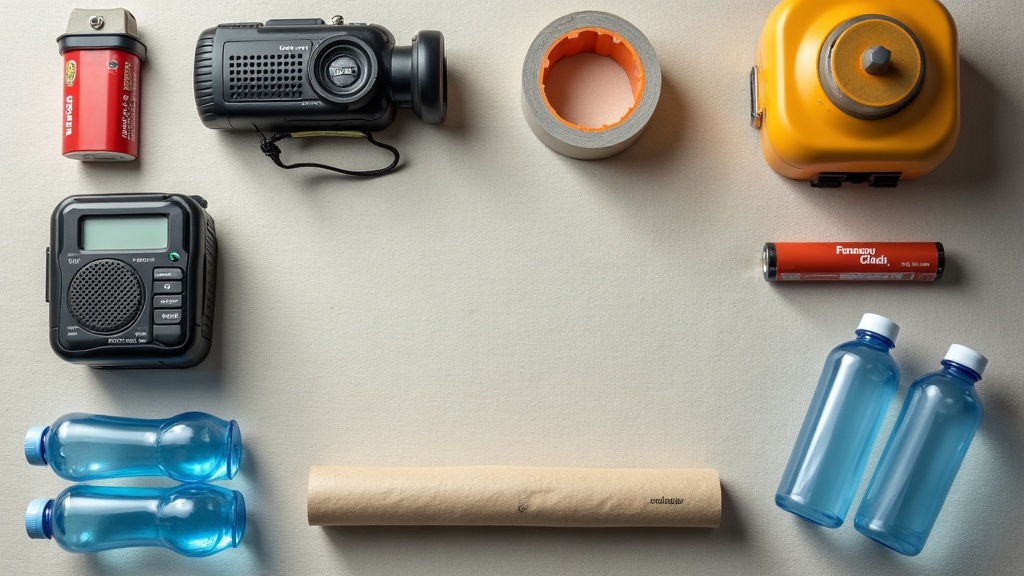
- Water: at least 1 gallon per person per day for drinking and basic sanitation.
- Food: shelf-stable meals that do not require cooking if the power is out.
- Light and power: flashlights, batteries, a charged power bank, and a backup plan for phones.
- Information: a NOAA Weather Radio or another way to receive alerts if cell service is unreliable.
- Health: a small first-aid kit and any prescription medications.
The key is not to build a “perfect” kit. The key is to reduce dependence on utilities and stores for three full days.
72-hour hurricane readiness checklist: the essentials
Use this as your core shopping and setup list. If you already have some items, check expiration dates, test devices, and refill gaps.
1) Water and hydration
Water is usually the first item to become a problem after a hurricane. A boil-water advisory, a damaged municipal system, or a power outage affecting pumps can make tap water unusable. A practical target is 3 gallons per person for a 72-hour window: 1 gallon per day, plus a little extra for hygiene and cooking.
- Bottled water or stored water containers
- Collapsible jugs for transport or refilling
- Water purification tablets or filters
- Pet water supply, if applicable
2) Food that works without power
Choose foods your household already eats, but that do not depend on refrigeration. Look for easy-open cans and items that can be eaten cold. If you need to cook, keep the method simple and safe for your home setup.
- Canned proteins, fruit, and vegetables
- Granola, crackers, peanut butter, shelf-stable milk
- Ready-to-eat soups and meal kits
- Manual can opener
3) Power, lighting, and phone charging
Multi-day outages are common after hurricanes. A battery lantern is often more useful than multiple candles because it lowers fire risk and illuminates a room more evenly. Keep phones and backup batteries charged before any watch or warning.
- Flashlights for every adult
- Extra batteries
- Battery lantern or headlamps
- Portable phone charger / power bank
- Car charger for emergency top-offs
📦 Recommended: Blackout Protocol
Hurricanes often leave homes without power for days, not hours. A home power plan helps you organize lighting, charging, and backup routines before the outage starts.
4) First aid and medications
Hurricane prep is not only about storms; it is also about the aftermath. Minor cuts, sprains, insect bites, heat stress, and prescription delays are all common. A basic home medical kit can keep a manageable issue from becoming an urgent one when clinics and pharmacies are harder to reach.
- Bandages, gauze, antiseptic wipes, adhesive tape
- Pain reliever, antihistamine, and any personal medical supplies
- Prescription medications in clearly labeled containers
- Copies of important medical information
📦 Recommended: Home Doctor
When urgent care is delayed or overloaded after a storm, having a practical at-home treatment reference can help you manage common injuries and illnesses safely.
How to use a local hurricane expo the smart way
Bay County’s preparedness expo is a useful model because it connects public guidance with real-world shopping and planning. At events like this, you’ll often find emergency managers, local utilities, first responders, insurers, hardware vendors, and nonprofit groups all in one place. That makes it easier to turn a checklist into action.
If you attend a local expo, use it to ask specific questions, not just collect flyers. The best question is always: What does my household still need to function for 72 hours if power, water, and cell service are interrupted?
What to ask at your local expo
- Water and sanitation: Is there any local boil-water guidance I should plan around? What storage method is recommended?
- Power: What size generator, battery station, or charging setup fits a small home safely?
- Communications: What is the best way to receive official alerts in this county if cell towers are congested?
- Home protection: Are there recommendations for shutters, window protection, or roof tie-downs specific to our area?
- Medical and cooling: Where are local cooling centers, shelters, or pharmacies likely to operate after landfall?
Do not leave without clarifying the basics: where you will get information, where you will get water, and what you will do if your home loses power for several days. Those three answers reduce confusion more than almost anything else.
Decode the alert types before the storm arrives
NOAA weather alerts are most useful when you understand the difference between them. A Hurricane Watch means hurricane conditions are possible in the watch area, typically within 48 hours. A Hurricane Warning means hurricane conditions are expected, usually within 36 hours. The earlier notice is your best window to finish shopping, fuel the car, charge devices, and secure loose items outdoors.
USGS data becomes important after the storm, especially in areas with slope, drainage, or river concerns. If your county has received heavy rainfall, USGS stream gauges can help local officials track river levels and flooding trends. For the average homeowner, the practical takeaway is simple: do not assume water on a road is minor. Floodwater can be deeper and faster-moving than it looks, and it can hide hazards.
When you hear official guidance, focus on actions, not uncertainty. If the message is “prepare,” that is your cue to finish the 72-hour checklist. If the message is “evacuate,” your readiness work should make it possible to leave quickly with the right documents, medications, and supplies.
What to do next
- Build or refresh your 72-hour kit with water, food, lighting, and first aid.
- Test your alerts by signing up for county or city emergency notifications.
- Attend a local preparedness expo and ask the questions above.
- Store critical documents in a waterproof folder or password-protected digital backup.
- Walk your home and remove or secure anything that could become windborne debris.
Get real disaster prep, decoded from FEMA, NOAA & USGS.
One short email when something actually matters for your zip code. No spam, ever.