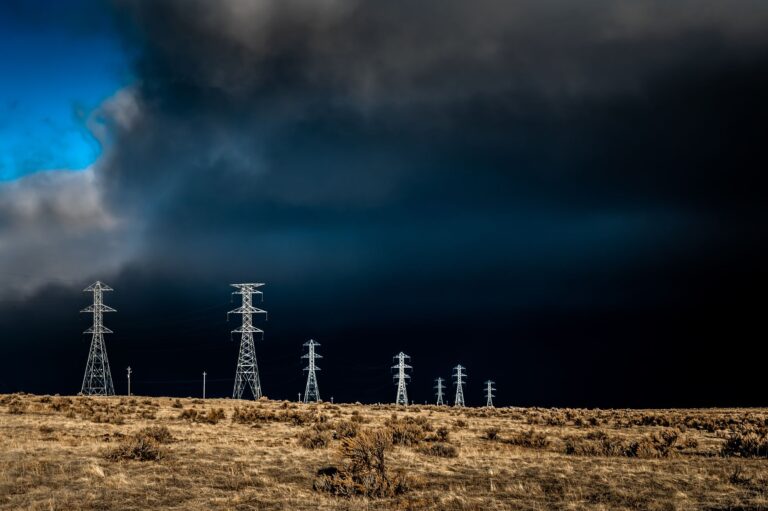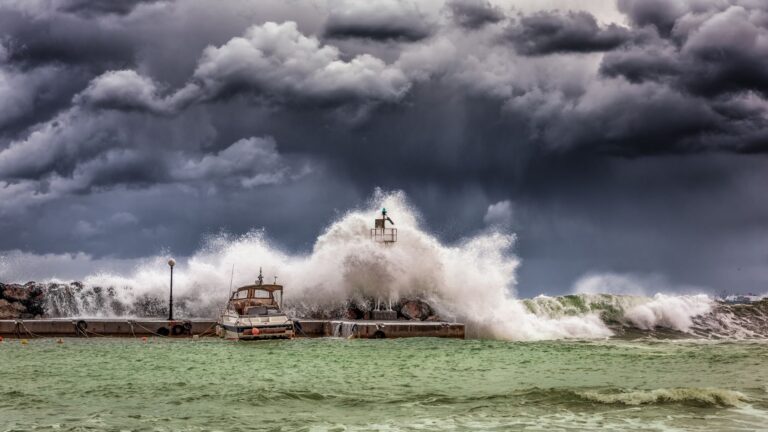

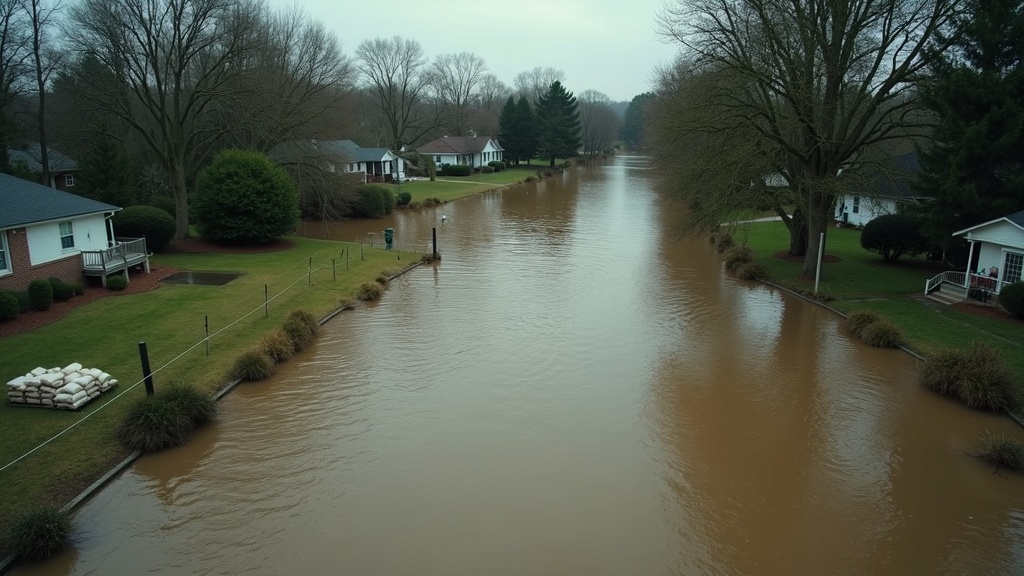
Since January 2021, the United States has recorded 351 federally declared disasters, and flooding accounts for 78 of them, making it the second most common disaster type after severe storms (140 declarations). That means, on average, a flood disaster has been declared somewhere in this country roughly every three weeks for the past five years. Alaska leads all states with 18 declarations; Tennessee and California each have 16; Kentucky has 14. As recently as June 30, 2026, FEMA issued flood declarations for Wisconsin and Michigan simultaneously, while Louisiana contended with Tropical Storm Arthur and Guam absorbed Super Typhoon Sinlaku on the same calendar day. Our Flood Preparedness guide covers the household side of that pattern.
Your county's real disaster history, what to do first, and what to keep at home. Free, and it shows up right here.
🔒 We never sell your email. Unsubscribe in one click.
Federal declarations unlock important resources. FEMA assistance centers, SBA disaster loans, housing support, but they do not arrive the moment water enters your living room. The lag between a flood event and functional federal assistance is measured in days, sometimes weeks. The question this post answers is not whether to apply for aid, but what your household needs to handle independently before any of that help reaches you.
📊 Across the United States: Federally Declared Disasters (2021–2026)
351 major disaster declarations were issued in this period, according to FEMA records.
| Disaster type | Declarations |
|---|---|
| Severe Storm | 140 |
| Flood | 78 |
| Hurricane | 31 |
| Winter Storm | 22 |
| Fire | 20 |
| Tropical Storm | 17 |
| Severe Ice Storm | 9 |
| Tornado | 9 |
States with the most declarations
| State | Declarations |
|---|---|
| AK | 18 |
| TN | 16 |
| CA | 16 |
| KY | 14 |
| MT | 13 |
| MO | 12 |
| KS | 12 |
| NE | 11 |
Most recent declarations
| Date | Type | Event |
|---|---|---|
| 2026-06-30 | Flood | Severe Storms, Tornadoes, And Flooding (Wi) |
| 2026-06-30 | Flood | Severe Storms, Tornadoes, And Flooding (Mi) |
| 2026-06-30 | Severe Storm | Severe Storms, Straight-Line Winds, Tornadoes, And Flooding (Ms) |
| 2026-06-30 | Severe Storm | Severe Storms, Straight-Line Winds, Flooding, Landslides, And Mudslides (Id) |
| 2026-06-30 | Typhoon | Super Typhoon Sinlaku (Gu) |
| 2026-06-30 | Tropical Storm | Tropical Storm Arthur (La) |
Source: FEMA OpenFEMA Disaster Declarations · retrieved 2026-07-20 by US Risk Radar.
Why floods keep leading the declaration count, and what that means for your home
Of the 351 federal disasters since 2021, floods rarely arrive alone. Look at the June 30, 2026 declarations: Wisconsin and Michigan were hit by severe storms, tornadoes, and flooding in the same event. Idaho’s declaration that same day included straight-line winds, flooding, landslides, and mudslides together. This compounding pattern, where flooding is the trailing consequence of a larger weather system, is exactly why flood readiness cannot be treated as a single-hazard plan. When the storm knocks out power, closes roads, and contaminates water simultaneously, your household faces three or four emergencies layered on top of each other.
FEMA’s disaster assistance centers are designed to help once the acute phase has passed. A center can help you start or update a FEMA application, explore eligibility for housing or property assistance, ask about SBA disaster loans for uninsured losses, and correct documentation or contact information errors. That process matters, but it presupposes you survived the first 72 hours with your family intact, fed, hydrated, and out of immediate danger. The center is the middle chapter. What follows is the opening one.
Water first, and not just because it feels like the obvious thing to say
Flooding contaminates municipal water lines, private wells, and any water stored in low containers before residents even notice pressure changes. When local officials issue a boil-water advisory, it should be treated as a hard stop on tap water for drinking, cooking, and brushing teeth, not a suggestion. If water pressure drops suddenly, assume contamination until authorities confirm otherwise. FEMA and the CDC both recommend one gallon per person per day as a minimum for drinking and basic hygiene; that number goes up in summer heat or if anyone in the home is sick.
If your household relies on a private well, common in rural Kentucky, Montana, and Missouri, three of the highest-declaration states, know in advance how to shut the system off and what your emergency treatment protocol is. Chlorination tablets and portable filtration are not backup options; for well-dependent households in flood-prone areas, they are primary infrastructure.
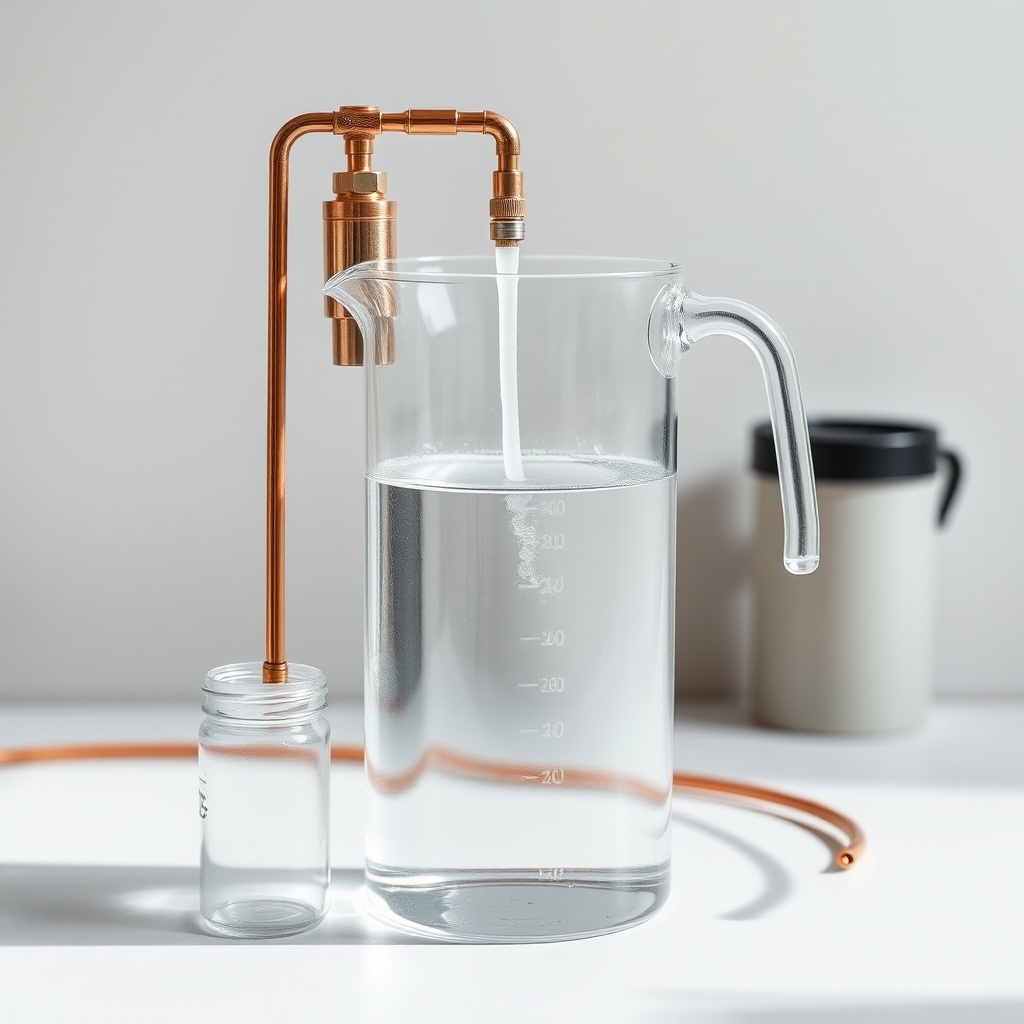
📦 Recommended: Water Freedom System
Floodwater can disrupt local utilities and contaminate what comes out of the tap. A reliable backup water solution helps your household maintain safe drinking water during the first critical days after an event.
The compounding problem: when storm damage, power loss, and flooding hit the same 24-hour window
The June 30, 2026 declarations in Wisconsin, Michigan, Mississippi, and Idaho were not isolated. They were four separate but simultaneous weather events that each combined high winds, flooding, and in some cases tornadoes. In that environment, the problems a household faces are not sequential, they arrive together. Power goes out while roads are blocked while tap water is compromised while a tree has taken out a corner of the roof.
For the first 72 hours, that means your plan needs to cover all of these without assuming any one utility or service is functional:
- Food that requires no refrigeration and minimal cooking. Shelf-stable proteins, canned tuna, peanut butter, ready-to-eat pouches, stored in one accessible bin. Manual can opener in the same bin. If anyone in the home has diabetes, specific allergies, or formula-dependent infants, their supply is packed first and stored separately. Rotate stock every few months so nothing expires in an emergency.
- Power and communications that don’t depend on the grid. A charged power bank, a battery lantern, and a hand-crank or battery radio for NOAA Weather Radio alerts. Charge devices before storms arrive. If a medical device. CPAP, nebulizer, insulin pump, depends on electricity, the backup power plan for that device is not optional. Know exactly how long your battery backup lasts under real operating conditions, not manufacturer estimates.
- A physical location plan. If flood conditions require you to leave, know in advance where you’re going, what route avoids low-lying roads, and at what trigger point you leave, not when water is already at the door. Six inches of moving water can knock an adult off their feet; NOAA flood warnings mean that moment may be closer than it looks.
When water enters the home: the sequence that limits damage and protects your FEMA claim
If floodwater reaches your property, life safety comes before property. Move away from standing water. Avoid basements where electrical panels or appliances may be submerged. Do not drive or walk through floodwater, a foot of moving water can move a vehicle, and submerged roads hide open manholes and sharp debris that are invisible until they cause injury.
Once you and your household are physically safe, documentation starts. Photos and video taken before cleanup begins are the record that supports your FEMA application and any insurance claim. Take them even if the damage looks minor, water damage that appears superficial on day one can reveal structural and mold problems within a week. Do not discard damaged items until you have documented them, but do separate heavily contaminated materials from salvageable ones.
Drying out matters within 24 to 48 hours. Mold establishes itself fast in wet drywall, carpet, and wood, faster in warm, humid conditions, which describes most post-flood environments in the South and Midwest. Fans and dehumidifiers help when power is available and the structure is confirmed safe. Open windows if outdoor air is drier than indoor air. Get wet materials out of enclosed spaces quickly.
Post-flood cleanup also produces a predictable set of minor medical problems: cuts from debris, rashes from contaminated water contact, stomach illness from inadvertent ingestion, and respiratory irritation from mold. When urgent care is closed or roads are restricted, managing these at home without escalating them requires some preparation.
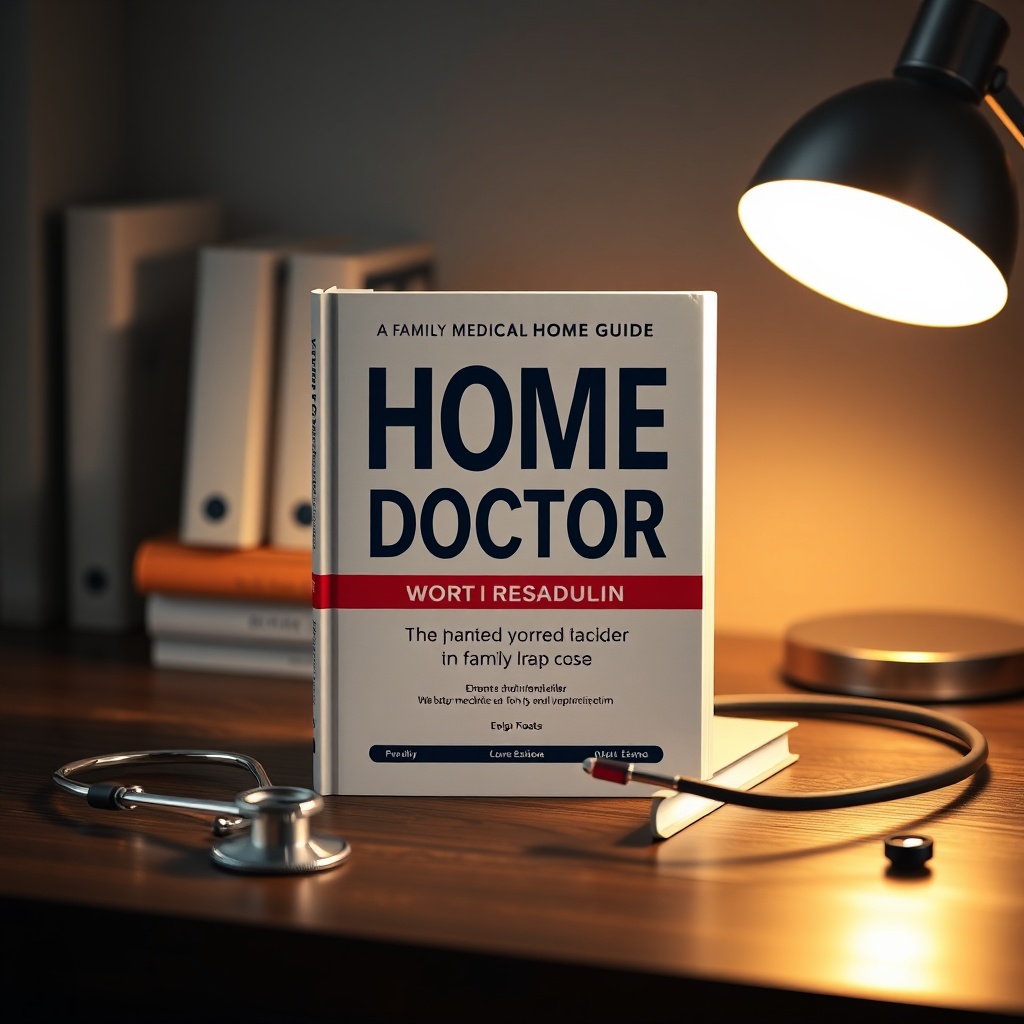
📦 Recommended: Home Doctor
After flooding, pharmacies and clinics may be harder to reach, and minor injuries can become bigger problems if they are not handled quickly. A home care reference can help you manage common post-flood health issues while services are delayed.
Reading flood alerts accurately, what NOAA and USGS are actually telling you
Alert fatigue is real, and it causes two opposite failures: people who ignore warnings until it’s too late, and people who evacuate unnecessarily and become skeptical of future warnings. Knowing what the alert language actually means reduces both problems.
- NOAA flood watch: Conditions favor flooding but it hasn’t started. This is the window to finish preparation, move valuables off the floor, fuel the vehicle, verify your go-bag is accessible, check on neighbors who may need help leaving.
- NOAA flood warning: Flooding is occurring or imminent. Stop nonessential travel. Execute your household plan. Do not wait to see standing water in the street before acting.
- USGS stream gauges: Available at waterdata.usgs.gov, these show real-time water levels for rivers near your home. A gauge rising sharply can tell you a flood front is approaching before it appears on local roads. In states like Tennessee, Kentucky, and Missouri, each with more than 12 federal declarations since 2021, knowing the nearest monitored river gauge is a practical piece of household information, not a technical detail for hydrologists.
The rule is simple: watch means finish preparing, warning means act on the plan you already made. If you’re making the plan during a warning, you’ve lost the window the watch was designed to give you.
Frequently asked questions
Why does flooding keep producing federal disaster declarations even in states that aren’t near coasts?
Of the top eight states by declaration count since 2021, none are primarily coastal. Alaska, Tennessee, Kentucky, Montana, Missouri, Kansas, and Nebraska all rank high. Inland flooding, driven by heavy rain, rapid snowmelt, and overflowing rivers, is more geographically widespread than hurricane or coastal storm flooding. The Mississippi River system alone drains 40% of the continental U.S., which means major rain events in the plains and upper Midwest eventually push water into communities far downstream.
How quickly can mold become a problem after floodwater enters a home?
The EPA and CDC both note that mold can begin growing within 24 to 48 hours on wet organic materials, drywall, wood framing, carpet backing, insulation. In warm or humid conditions, that timeline is shorter. This is why documentation and drying must begin as soon as it’s safe to re-enter the structure, not after FEMA has completed an inspection. Waiting for an inspector before starting cleanup is not required; waiting before discarding damaged materials (without documenting them first) can complicate your claim.
Does a FEMA disaster declaration guarantee individual households will receive financial assistance?
No. A federal disaster declaration activates the possibility of individual assistance programs, but eligibility depends on the type of declaration, the specific programs activated, the nature and extent of your losses, your insurance coverage, and whether you register within the application window. FEMA assistance is a reimbursement and support process, it does not replace insurance, and it does not automatically compensate all losses. Visiting a FEMA Disaster Assistance Center in person, when one is available in your county, is the fastest way to understand what programs apply to your specific situation.
Before the next declaration, what to do this week
- Find your nearest USGS stream gauge at waterdata.usgs.gov and note the flood stage threshold for the closest monitored waterway.
- Store one gallon of water per person per day for a minimum of three days. More if anyone in the household has medical needs or if you rely on a private well.
- Pack one go-bag with shelf-stable food, a power bank, medications, copies of key documents, and a flashlight, stored somewhere accessible without crossing a potentially flooded basement or hallway.
- Review your homeowner’s or renter’s policy specifically for flood exclusions. Standard policies do not cover flood damage; that requires a separate National Flood Insurance Program policy or private flood coverage.
- Know your county’s alert system, most counties offer text or email alerts through their emergency management office that are faster and more location-specific than broadcast alerts.
The 78 flood declarations since 2021 did not happen in unusually unlucky years. They reflect how frequently flooding intersects with ordinary American communities, rural and urban, coastal and landlocked, north and south. The federal system exists to help after the fact. The 72 hours before that help arrives belong entirely to your household plan.
Get real disaster prep, decoded from FEMA, NOAA & USGS.
One short email when something actually matters for your zip code. No spam, ever.