

Last Updated: April 2026 | Based on FEMA/NOAA/USGS data
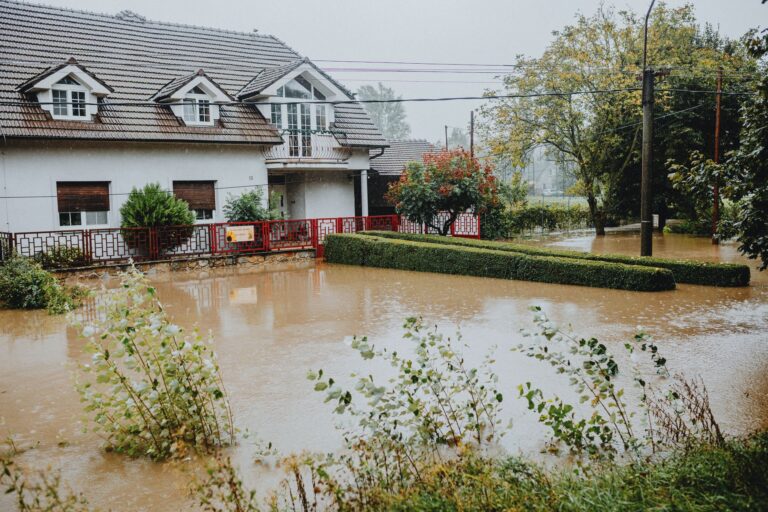
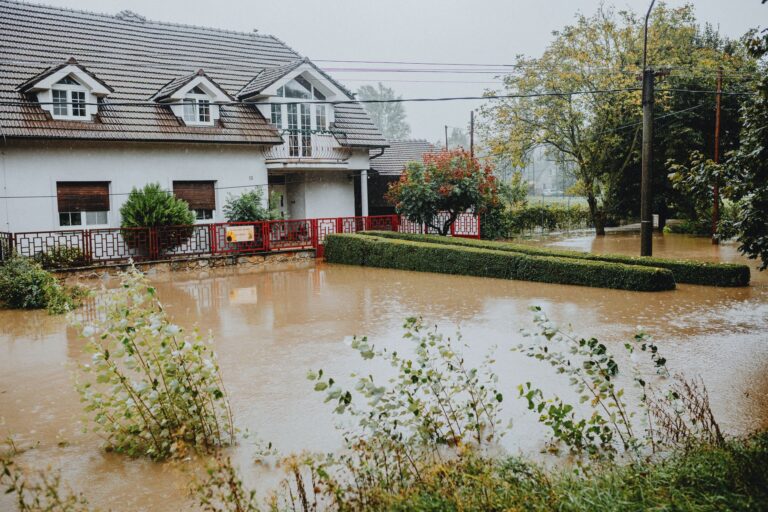
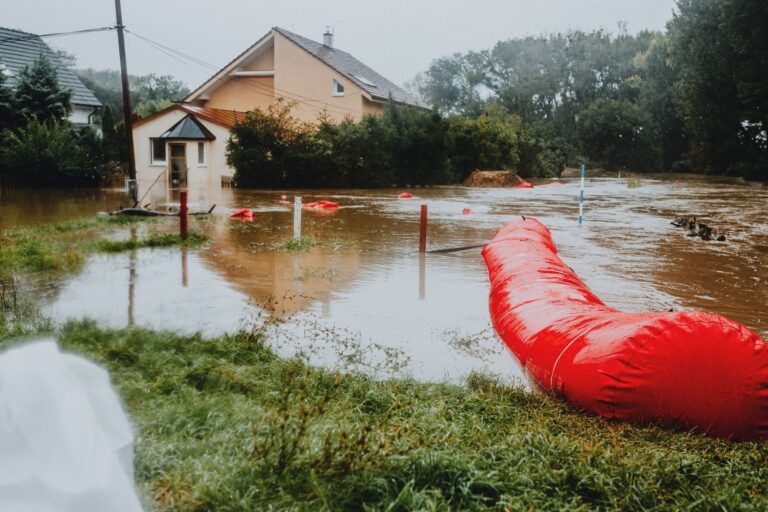
Flood preparedness in Pittsburgh, PA, is a critical necessity as spring thaw and heavy seasonal rainfall increase the risk of water inundation along the Allegheny, Monongahela, and Ohio rivers. Residents must remain vigilant during this season, as local topography and river convergence make the region susceptible to flash flooding and riverine overflow that can happen with little warning.
Your county's real disaster history, what to do first, and what to keep at home. Free, and it shows up right here.
🔒 We never sell your email. Unsubscribe in one click.
Key Takeaways
- Spring is a high-risk season for flooding in Pittsburgh due to snowmelt and increased precipitation.
- The confluence of three major rivers creates unique hydraulic challenges for low-lying neighborhoods.
- Flood insurance policies typically require a 30-day waiting period before taking effect.
- Emergency kits should be prepared in advance and stored in waterproof, portable containers.
- Always prioritize evacuation orders from local authorities over property protection.
Understanding Flood Risk in Pittsburgh, Pennsylvania
According to FEMA flood maps and historical data from the National Oceanic and Atmospheric Administration (NOAA), Pittsburgh faces significant flood hazards. The city’s unique geography, defined by its three rivers, means that high water levels can rapidly impact areas like the Strip District, Point State Park, and various low-lying residential zones. USGS monitoring stations track streamflow in real-time, providing the data necessary for the National Weather Service to issue flood watches and warnings. Residents should recognize that urban flooding can occur far from riverbanks when storm drains are overwhelmed by heavy spring rains.
How to Prepare for Flood: Step-by-Step
Step 1: Determine Your Property’s Flood Risk
Visit the FEMA Flood Map Service Center to see if your home is located in a Special Flood Hazard Area (SFHA). Being in a high-risk zone significantly increases the likelihood of flood damage during a major weather event.
Step 2: Secure Flood Insurance
Standard homeowners insurance policies rarely cover flood damage. Contact your insurance provider to discuss a policy through the National Flood Insurance Program (NFIP). Do this before the spring season reaches its peak, as policies require a 30-day waiting period.
Step 3: Develop a Communication Plan
Establish a family emergency plan that includes a designated meeting location outside of the flood-prone area. Ensure every family member knows how to receive alerts via the National Weather Service Pittsburgh office.
Step 4: Elevate and Protect Utilities
If your home is in a flood-prone area, consider moving electrical panels, furnaces, and water heaters to higher floors or elevating them on platforms. Ensure your sump pump is functional and equipped with a battery backup.
Step 5: Document Your Property
Take photos and videos of your home’s interior and exterior. Store these digital records in a secure cloud account to simplify potential insurance claims should water damage occur.
Step 6: Prepare Your Emergency Kit
Assemble a portable kit containing essential supplies to last at least 72 hours. Ensure it is stored in a location that is easy to reach during a rapid evacuation.
Essential Emergency Kit for Pittsburgh
- One gallon of water per person per day for at least three days
- Non-perishable food items and a manual can opener
- Battery-powered or hand-crank NOAA weather radio
- Flashlights with extra batteries
- First aid kit with prescription medications
- Whistle to signal for help
- Dust mask or plastic sheeting for local sheltering
- Moist towelettes, garbage bags, and plastic ties for sanitation
- Wrench or pliers to turn off utilities
- Local maps and emergency contact list
- Multi-purpose tool
- Cash in small denominations
📦 Recommended: The Lost Superfoods
When flooding disrupts local supply chains or grocery stores, having a shelf-stable food supply is vital for your family’s safety.
Local Resources
- City of Pittsburgh Office of Emergency Management
- Allegheny County Department of Emergency Services
- National Weather Service Pittsburgh
Frequently Asked Questions
How often does Pittsburgh flood?
Pittsburgh experiences varying degrees of flooding annually, particularly during the spring when snowmelt combines with heavy rainfall. While major events are less frequent, minor street and riverfront flooding occur regularly.
Does my homeowners insurance cover flooding?
No, standard homeowners insurance policies typically exclude flood damage. You must purchase a separate flood insurance policy through the NFIP or a private insurer.
Where can I check current river levels in Pittsburgh?
The National Weather Service provides real-time river stage data for the Allegheny, Monongahela, and Ohio rivers via their AHPS (Advanced Hydrologic Prediction Service) website.
What should I do if a flash flood warning is issued?
Move to higher ground immediately. Do not attempt to walk or drive through flooded areas, as just six inches of moving water can knock an adult off their feet.
How do I sign up for local emergency alerts?
Register for Allegheny County’s emergency notification system, Alert Allegheny, to receive real-time updates regarding severe weather and potential evacuations in your area.
Get real disaster prep, decoded from FEMA, NOAA & USGS.
One short email when something actually matters for your zip code. No spam, ever.