
Last Updated: April 2026 | Based on FEMA, NOAA, and USGS data
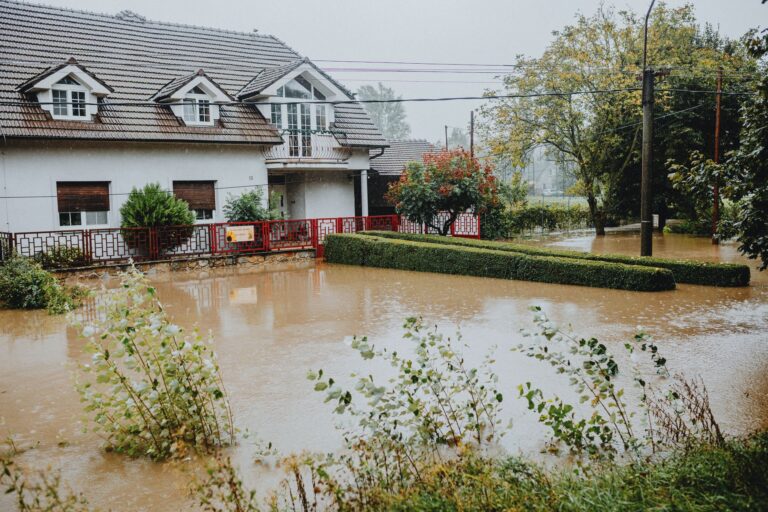
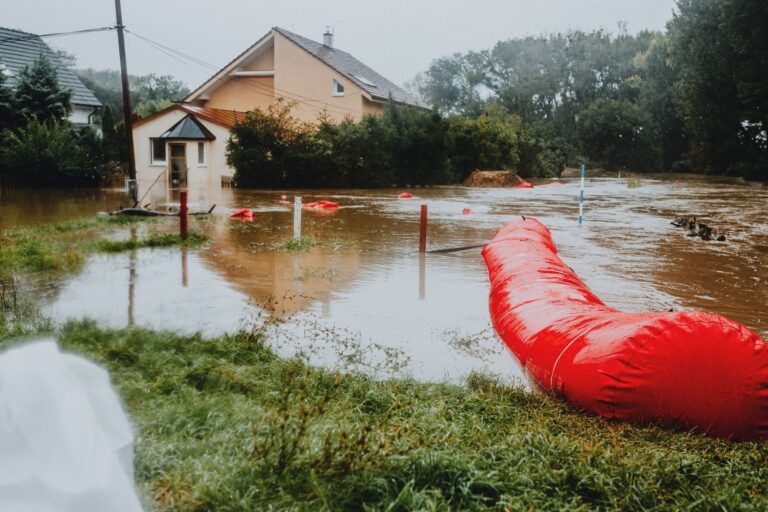
Since January 2016, North Dakota has received 18 separate federal disaster declarations, an average of more than two per year. Five of those were floods. Five were severe storms. Three were wildfires. Three were biological events. The rest were winter storms and blizzards. That pattern matters more than any generic checklist, because it tells you exactly what Fargo and the surrounding Red River Valley are actually up against: not one threat, but a rotating cycle of them, sometimes hitting the same calendar year. October 2025 brought tornadoes and straight-line winds. Two months earlier, another severe storm did the same. December 2024 saw wildfires combined with straight-line winds. February 2024 delivered a severe winter storm. And sandwiched between all of that, a flood declaration in July 2023. Our Flood Preparedness guide covers the flood piece of that rotation.
Your county's real disaster history, what to do first, and what to keep at home. Free, and it shows up right here.
🔒 We never sell your email. Unsubscribe in one click.
If you live in Cass County or anywhere along the Red River corridor, your preparedness plan has to account for all of it, not just the spring melt.
This post focuses on the full picture, starting with the Red River flood risk that defines the region’s identity, then addressing the storms and fires the FEMA record shows are equally real.
📊 ND Federally Declared Disasters (2016–2026)
18 major disaster declarations were issued for ND in this period, according to FEMA records.
| Disaster type | Declarations |
|---|---|
| Severe Storm | 5 |
| Flood | 5 |
| Fire | 3 |
| Biological | 3 |
| Winter Storm | 1 |
| Snowstorm | 1 |
Most recent declarations
| Date | Type | Event |
|---|---|---|
| 2025-10-22 | Severe Storm | Severe Storms, Straight-Line Winds, And Tornadoes |
| 2025-09-11 | Severe Storm | Severe Storm, Tornadoes, And Straight-Line Winds |
| 2024-12-24 | Fire | Wildfires And Straight-Line Winds |
| 2024-10-06 | Fire | Bear Den Fire |
| 2024-10-06 | Fire | Elk Horn Fire |
| 2024-02-15 | Winter Storm | Severe Winter Storm And Straight-Line Winds |
Source: FEMA OpenFEMA Disaster Declarations · retrieved 2026-07-19 by US Risk Radar.
Why the Red River Is a Different Kind of Flood Problem
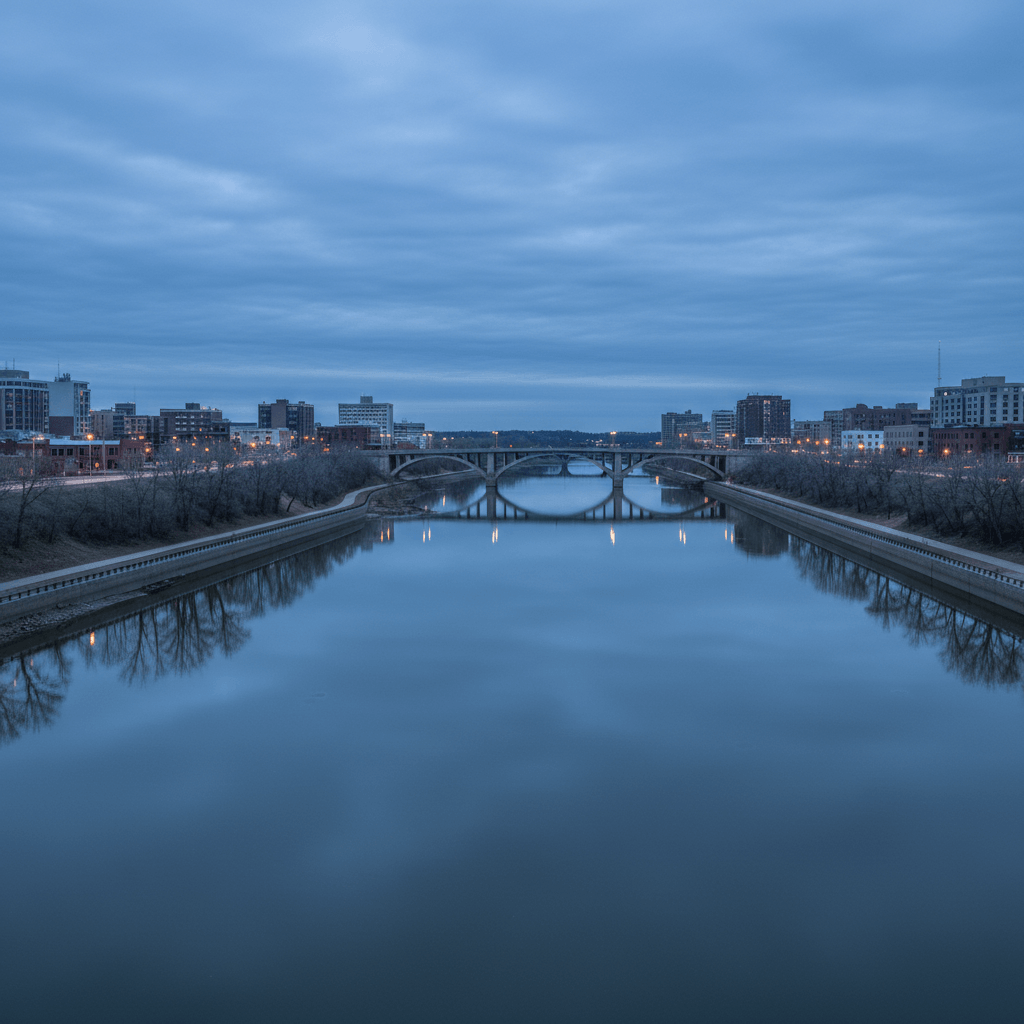
Most rivers drain south. The Red River of the North drains north, toward Lake Winnipeg in Canada. That single geographic fact changes everything about how floods develop here. As spring moves northward, southern sections of the river thaw first while the northern outlets are still frozen solid. Water has nowhere to go. Ice jams form and can push the river over its banks faster than any weather forecast can warn. The valley itself is extraordinarily flat, the remnant lakebed of ancient glacial Lake Agassiz, which means once water escapes the channel, it spreads wide and retreats slowly.
FEMA’s flood mapping for Fargo reflects this. Large portions of the city sit in or adjacent to Special Flood Hazard Areas, and the city has invested hundreds of millions in its permanent flood diversion project precisely because the threat is structural, not occasional. You can check your specific parcel at the FEMA Flood Map Service Center. If your property falls in a Zone AE, your lender legally requires flood insurance. If it doesn’t, that doesn’t mean you’re safe, the 2023 federal flood declaration affected areas well outside the mapped floodplain.
Standard homeowners insurance does not cover flood damage. Repeat: it does not. Verify your policy today, not the week the river crests. The National Flood Insurance Program (NFIP) through FEMA.gov is your primary option; private flood insurance has also expanded significantly and is worth pricing out.
The Pre-Season Flood Checklist Fargo Homeowners Actually Need
📋 Print this checklist, keep it with your emergency supplies.
- ☐ Confirm flood insurance coverage and policy limits, verify the waiting period (NFIP policies typically have a 30-day wait before they take effect).
- ☐ Test your sump pump now, before March, run a full cycle, check the float switch, and confirm your battery backup has a charged battery. A pump that fails at 2 a.m. during a melt event is the most preventable loss in Fargo basements.
- ☐ Clear gutters and all downspout extensions, route water at least six feet from your foundation. Frozen debris clogs are common after ND winters.
- ☐ Seal visible foundation cracks, hydraulic cement or waterproof masonry sealant before the ground thaws.
- ☐ Elevate critical utilities, if your electrical panel, water heater, or furnace sits at or below grade in a flood-risk zone, talk to a licensed contractor about raising them. This is a permanent fix that insurance will not fully cover after the fact.
- ☐ Photograph and video every room and major appliance, store copies in cloud storage and a waterproof USB drive kept outside the home (with a family member or in a safe deposit box).
- ☐ Know your evacuation route, Fargo Emergency Management publishes current routes; a flooded interchange can make your usual path to higher ground useless. Have a secondary route memorized.
- ☐ Sign up for Cass County emergency alerts. CodeRED and the National Weather Service Fargo office both push flood watches and warnings; use both, not just one.
Severe Storms: The Threat That Keeps Coming Back
The FEMA record for North Dakota shows five severe storm declarations since 2016, with two hitting back-to-back in late 2025, one in September and another in October, both involving tornadoes and straight-line winds. Fargo sits in a legitimate tornado corridor. The flatness that makes flooding so destructive also gives severe thunderstorms an unobstructed run across the valley.
Straight-line winds are a particular hazard because they don’t require a rotating storm. A severe thunderstorm can produce wind gusts over 80 mph across a wide swath, taking out trees, power lines, and poorly anchored structures without warning. If you lost power during the February 2024 winter storm declaration or either of the 2025 severe storms, you already know how quickly a comfortable home becomes difficult without heat, light, or refrigeration.
Keep these ready year-round, not just in spring:
- Battery-powered or hand-crank NOAA Weather Radio, cell service goes down; this doesn’t
- Flashlights and a minimum 72-hour battery supply
- At least one gallon of water per person per day for three days
- Non-perishable food that requires no cooking or refrigeration
- First aid kit with a 7-day supply of any prescription medications
- Wrench or pliers to shut off gas at the meter
- Copies of important documents. IDs, insurance policies, medical records, in a waterproof bag
- Local paper maps (GPS-dependent navigation fails when cell towers are down)
📦 Recommended: The Lost Superfoods
When flooding disrupts local supply chains, having a shelf-stable food supply is vital for your family’s security.
Wildfires in North Dakota: Less Surprising Than You Think
Three of ND’s 18 federal declarations since 2016 were fire-related. The Bear Den Fire and Elk Horn Fire both hit in October 2024. A wildfire and straight-line wind event followed in December 2024. These weren’t in Fargo proper, western and central North Dakota carry higher wildland fire exposure, but they’re a reminder that an all-hazards approach isn’t paranoia. Smoke from large fires affects air quality statewide, and residents with respiratory conditions need N95 masks and a plan for sheltering in place with windows sealed.
If you’re in Fargo and preparing a full emergency kit, add:
- N95 or KN95 masks, useful for wildfire smoke and post-flood mold remediation
- Plastic sheeting and duct tape for window sealing during air quality events
- A portable air purifier with HEPA filtration if anyone in the household has asthma or COPD
When a Flood Warning Is Issued: A Short Action List
- Monitor the NWS Fargo forecast office, flood stage data for the Red River at Fargo is updated continuously; a crest forecast is your most reliable evacuation timer.
- Never drive through standing water on roadways. Six inches of moving water can knock an adult off their feet; twelve inches can carry a small vehicle. “Turn Around, Don’t Drown” is a NOAA campaign for a reason.
- Shut off utilities at the main breaker and gas meter if instructed by Fargo Emergency Management, not when you think it might be a good idea, when they say to.
- Avoid all contact with floodwater. Red River floodwater routinely carries agricultural runoff, sewage contamination, and chemical residue. Assume it is hazardous.
- Stay off bridges. Ice jams can release suddenly, sending a surge downstream that overtops bridges without warning.
After the Water Drops: Recovery Without Making It Worse
- Do not re-enter until Fargo city officials confirm structural safety for your area. Floodwater weakens foundations in ways that aren’t visible from the outside.
- Before entering, check for gas odors, sagging ceilings, and exposed wiring. If any are present, leave and call the appropriate utility.
- Photograph everything before moving or discarding anything. Your insurance adjuster needs documented evidence of damage, not cleaned-up rooms.
- Wear rubber boots, gloves, and an N95 mask for all cleanup. Mold can begin growing within 24–48 hours in a wet basement.
- File your insurance claim as soon as possible. NFIP claims have specific documentation requirements; ask your adjuster for the complete list on your first call.
- Register with FEMA at DisasterAssistance.gov if a federal disaster declaration has been issued for Cass County. Uninsured and underinsured losses may qualify for Individual Assistance grants.
Frequently Asked Questions
North Dakota had both a July 2023 flood and two severe storm declarations in 2025, should Fargo residents be prepping for multiple disaster types at once?
Yes, and the FEMA record makes this unavoidable. The practical solution is an all-hazards kit, one set of supplies that covers power outages, flooding, smoke events, and severe storms, rather than separate preparations for each. The core items overlap: water, food, a battery-powered radio, documents, and medications cover most scenarios.
The Red River flooded in 2023 but Fargo’s diversion project is underway, does that change my flood risk?
The Fargo-Moorhead Diversion is designed to protect against major flood events, but it’s not yet fully operational and doesn’t eliminate all risk, particularly for smaller tributaries, urban drainage failures, or properties outside its protection footprint. Check current project status through Fargo Emergency Management and verify your flood zone status at the FEMA Flood Map Service Center before assuming you’re covered.
What’s the fastest way to get real-time flood stage data for the Red River?
The National Weather Service Fargo office publishes river stage forecasts and crest predictions directly on their site. USGS also maintains real-time stream gauges at waterdata.usgs.gov, you can bookmark the gauge for the Red River at Fargo and check current and forecast levels without waiting for a news report.
Get real disaster prep, decoded from FEMA, NOAA & USGS.
One short email when something actually matters for your zip code. No spam, ever.