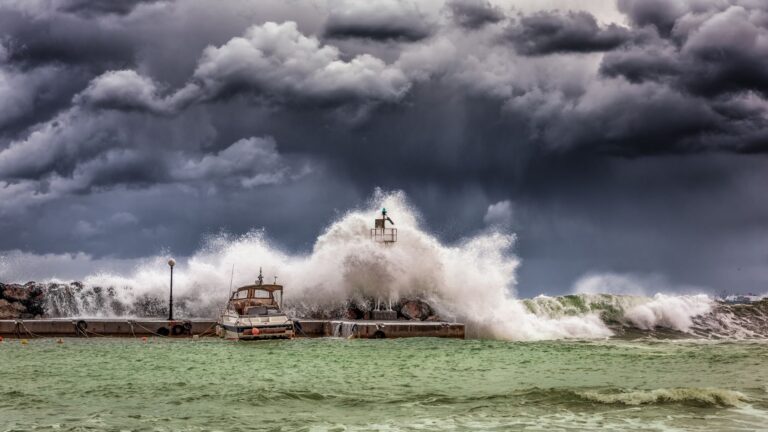


Forecasters are monitoring a potential early tropical setup near the southeastern United States as May closes out, a reminder that hurricane season can become active before the calendar officially turns. For homeowners along the Gulf and Atlantic coasts, the smart move is not to wait for a named storm. It is to confirm your 72-hour readiness now: water, food, medications, power, communications, and a simple plan for the first three days after a storm or tropical system. Our Hurricane Preparedness guide covers all of that in more depth.
Your county's real disaster history, what to do first, and what to keep at home. Free, and it shows up right here.
🔒 We never sell your email. Unsubscribe in one click.
AccuWeather’s report points to the kind of early-season pattern that often develops when warm coastal water, lingering moisture, and a favorable wind setup overlap near the Southeast. That does not mean a hurricane is imminent. It does mean conditions can produce heavy rain, coastal flooding, strong wind, lightning, and localized power outages well before the peak of hurricane season. In practical terms, this is the time to make sure your household can operate independently for at least three days without outside help.
What “early hurricane risk” really means
When weather outlets talk about an “early hurricane risk” zone, they are usually describing an area where tropical disturbance development is more likely than usual. The key word is potential. Forecasters are watching the ingredients for tropical activity, not declaring a landfalling hurricane. For homeowners, the lesson is simple: even a weak system can disrupt water, electricity, travel, and access to stores.
The Southeast is especially worth watching because warm coastal waters can help organize storms, while slow-moving rain bands can produce flooding far inland. NOAA and the National Hurricane Center regularly emphasize that tropical impacts are not limited to major hurricanes. A tropical depression or disorganized rain area can still knock out power, flood roads, and complicate emergency response.
If your zip code is in a coastal or near-coastal county from eastern Texas through Florida, Georgia, the Carolinas, or southern Virginia, consider yourself in the area where early season monitoring matters most. The right question is not “Will this become a hurricane?” It is “Could my home function for 72 hours if the answer turns serious?”
Use this 5-step 72-hour readiness checklist
Here is a homeowner-friendly checklist you can complete in under an hour and refine over the next few days.
- Water: Store one gallon per person per day for three days, plus extra for pets. Keep some bottled water in a cool, easy-to-grab location.
- Food: Set aside shelf-stable meals that require little or no cooking. Include infant formula, pet food, and a manual can opener.
- Power: Charge battery banks, flashlights, radios, and medical devices. Replace weak batteries now, not after the outage starts.
- Medications and documents: Keep at least a 3-day supply of prescriptions in a labeled bag with copies of key documents and insurance information.
- Communications and evacuation: Pick a family meeting point, save emergency contacts on paper, and review your evacuation route if you are in a flood-prone zone or mobile home.
FEMA’s basic guidance is built around self-sufficiency because help may not arrive immediately after wind, flooding, or road closures. A 72-hour kit does not need to be expensive. It needs to be complete, easy to find, and checked twice a year.
One practical tip: make your kit household-specific. A family with children, older adults, pets, or medical equipment should add comfort items, spare charging cords, glasses, hearing-aid batteries, and any support supplies that would be difficult to replace during a store outage.

📦 Recommended: Blackout Protocol
Early tropical systems often bring the first real test of the season: multi-day outages, spoiled food, and no access to normal routines. A home power plan helps you decide what stays on, what gets charged, and how to stay safe when the grid goes down.
Decode the weather terms before the storm gets your attention
Weather alerts are easier to use when you know what each one means. A tropical disturbance is an area of showers and storms with some spin or organization. A tropical depression means the system has a closed circulation and sustained winds below tropical storm strength. A tropical storm has stronger organized winds and is the point where watches and warnings may begin to appear.
For everyday preparedness, the most useful number is not storm category; it is your exposure. If you live where storm surge, poor drainage, or low-lying roads are common, a modest system can still become your problem. NOAA’s storm surge messaging is especially important: water pushed inland by wind can rise quickly and travel farther than many homeowners expect. If your home sits in a flood-prone area, know your elevation, your flood insurance status, and the nearest higher ground.
USGS data can also help homeowners understand river and stream flooding risk. If rainfall is expected over a broad area, the issue may not be the coast alone. Inland flooding can develop after the storm center passes, especially if soils are already wet. That is why a 72-hour plan should include not just sheltering, but also a way to monitor local conditions through battery-powered radio or phone alerts.
Protect your home before the first advisory appears
The best pre-season steps are boring, and that is a good thing. They reduce damage without requiring a major purchase. Start with the exterior: bring in loose patio items, trim dead branches, clear gutters, and check downspouts so water can move away from the foundation. Verify that garage doors, shutters, and windows close securely. If you use a generator, inspect it now and run it safely outdoors only, far from doors and windows.
Inside the home, move important items off the floor in garages and lower rooms. Put batteries, chargers, cash, and paper records in a waterproof container. If you have an automatic garage door opener, learn how to release it manually in case the power fails. If your refrigerator or freezer is at risk, keep a thermometer inside so you know whether food is still safe after an outage.
For water security, consider how you would respond if local service is interrupted or boil-water notices are issued. That is where a backup purification approach can make a real difference.

📦 Recommended: Water Freedom System
Hurricanes and tropical storms can contaminate tap water or interrupt service entirely. A practical backup water solution helps you stay within your 72-hour plan even if stores are closed and bottled water sells out quickly.
Build a calm response plan, not a last-minute scramble
A good hurricane-season plan reduces decision fatigue. Decide now who checks on elderly relatives, where pets go, and which vehicle leaves first if you need to evacuate. Print a simple contact sheet. If cell networks are overloaded, a written list still works. Also review local shelter guidance early, since some shelters have pet rules, medication requirements, or opening thresholds tied to wind and flood conditions.
Use alerts wisely. Turn on Wireless Emergency Alerts on your phone, follow local National Weather Service offices, and keep a NOAA Weather Radio if you live in a higher-risk zone. Set your alert preferences so you receive warnings before the first rain band, not after roads begin to close.
Remember: preparedness is not about buying everything at once. It is about removing the easy points of failure. If the power goes out, can you see, cool food, communicate, and keep water flowing for three days? If the answer is yes, you are in good shape.
What to do next
- Check your zip code risk: Review whether you are in a coastal, flood-prone, or evacuation area.
- Finish your 72-hour kit: Water, food, meds, batteries, cash, documents, and pet supplies.
- Secure the property: Clear loose items, test shutters, inspect gutters, and confirm generator safety.
- Set alert systems: Enable NOAA Weather Radio, local alerts, and family text contacts.
- Review your home plan: Decide shelter, evacuation, and power-backup steps before the first warning.
Get real disaster prep, decoded from FEMA, NOAA & USGS.
One short email when something actually matters for your zip code. No spam, ever.