
Last Updated: April 2026 | Based on FEMA/NOAA/USGS data
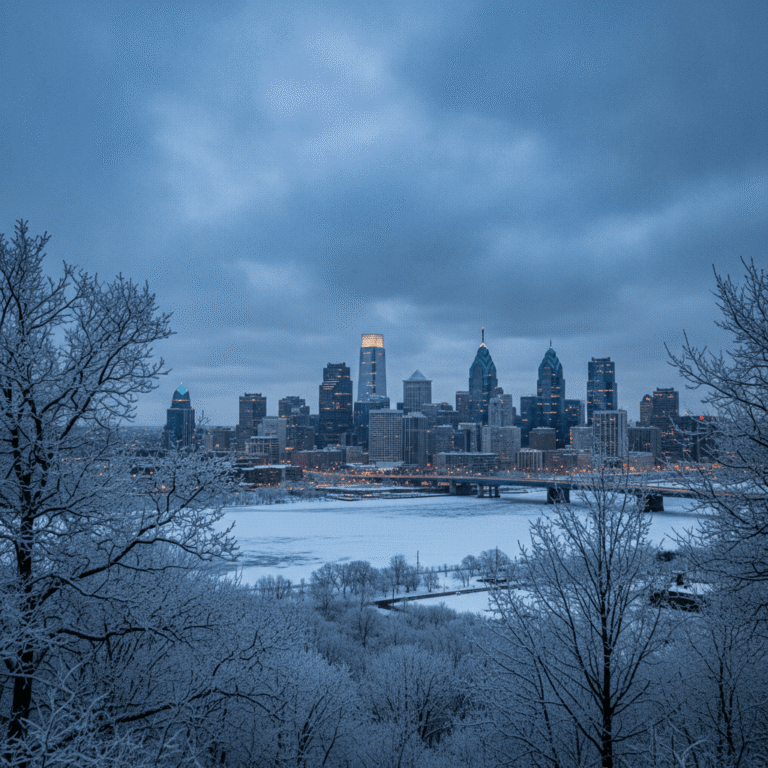
Cleveland, Ohio, faces significant risks from severe winter weather, including heavy lake-effect snow, ice accumulation, and extreme wind chills. Being prepared before the first snowfall of the season is essential to maintaining safety and independence when infrastructure is challenged by freezing temperatures. Our Winter Storm Preparedness guide covers that seasonal safety plan in full.
Your county's real disaster history, what to do first, and what to keep at home. Free, and it shows up right here.
🔒 We never sell your email. Unsubscribe in one click.
📋 Print this checklist, keep it with your emergency supplies.
Before Winter Storm Season. Cleveland Checklist
- ☐ Schedule HVAC Maintenance: Have a professional inspect your heating system to ensure it operates efficiently before the first freeze.
- ☐ Weatherproof Your Home: Seal windows and doors with weather stripping and ensure pipes are insulated to prevent bursting.
- ☐ Clear Gutters: Remove debris to prevent ice dams from forming, which can lead to structural water damage.
- ☐ Prepare Your Vehicle: Switch to winter tires, check your battery, and keep your gas tank at least half full to prevent fuel line freezing.
- ☐ Test Carbon Monoxide Detectors: Replace batteries and ensure sensors are functioning, as heating equipment use increases CO risks.
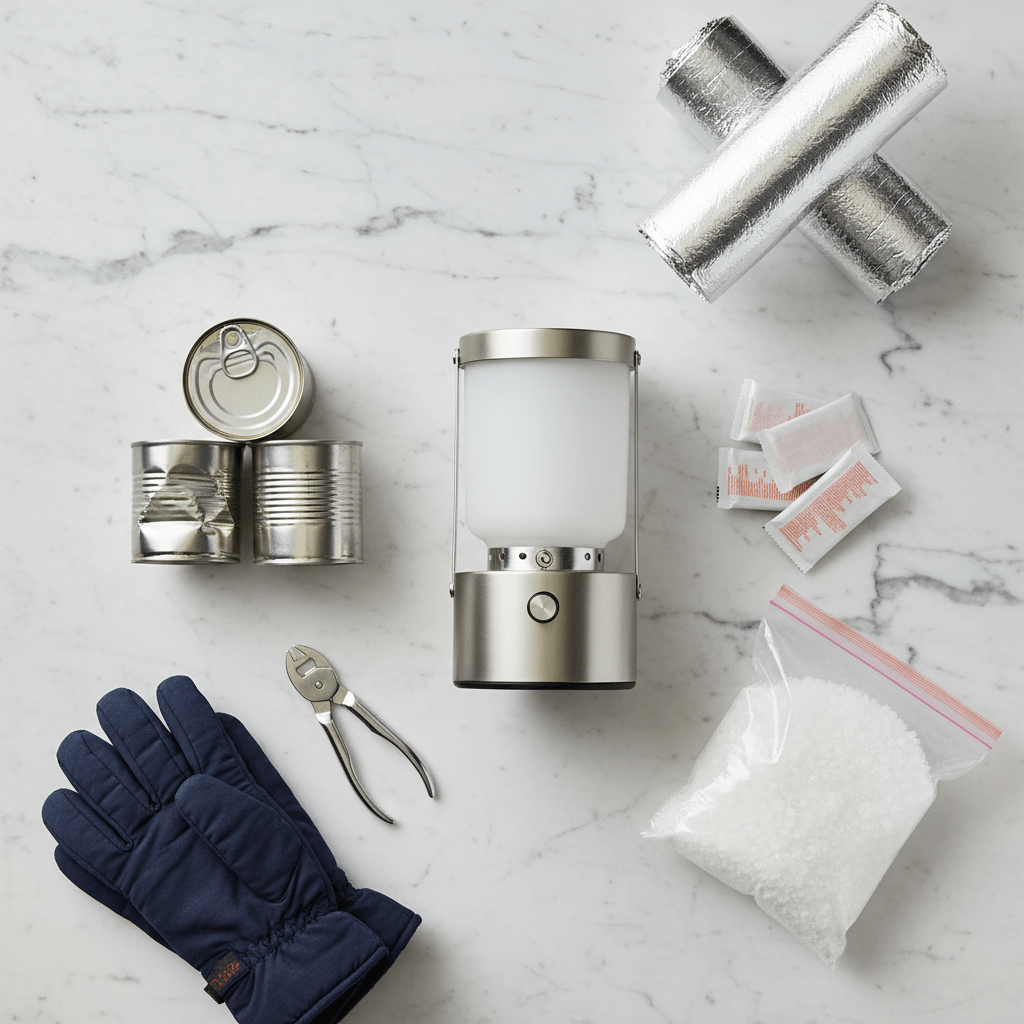
- ☐ Gather Emergency Supplies: Stock up on non-perishable food, water, and essential medications before the first major winter alert.
Emergency Kit Checklist
Your kit should sustain your household for at least 72 hours. Ensure these items are accessible:
- Water (one gallon per person per day)
- Non-perishable food (high-energy snacks, canned goods)
- Battery-powered or hand-crank radio (NOAA Weather Radio)
- Flashlight and extra batteries
- First aid kit and essential prescription medications
- Warm blankets, sleeping bags, and extra thermal clothing
- Multi-purpose tool
- Personal hygiene items
- Portable phone chargers
- Cash (ATMs may be down during power outages)
- Important documents in a waterproof container
- Fire extinguisher
📦 Recommended: EZ Battery Reconditioning
Keep your emergency batteries and backup power packs alive through extended outages. This step-by-step method restores tired batteries so your radios, lights and devices stay powered when the grid is down.
During Winter Storms
- Stay Indoors: Limit travel unless absolutely necessary; road conditions in Cleveland can deteriorate rapidly.
- Conserve Heat: Close off unused rooms and use curtains to trap heat inside your living space.
- Monitor Alerts: Keep your NOAA weather radio on and follow local updates from the National Weather Service Cleveland office.
- Use Generators Safely: Never operate a generator inside your home, garage, or near windows due to the risk of carbon monoxide poisoning.
- Check on Neighbors: If safe to do so, reach out to elderly neighbors or those who may need assistance.
After Winter Storms: Recovery Steps
- Clear Snow Carefully: Take frequent breaks when shoveling and be mindful of signs of physical overexertion.
- Inspect for Damage: Check your home for frozen pipes or structural damage caused by ice weight.
- Clear Vents: Ensure furnace and dryer vents are clear of snow to prevent dangerous exhaust buildup.
- Report Outages: Notify your utility provider immediately of downed power lines or local service interruptions.
Frequently Asked Questions
How often should I test my CO detector?
Test your carbon monoxide detectors monthly and replace the batteries at least once a year. During winter, check them more frequently as furnace usage peaks.
What is the biggest winter risk in Cleveland?
Lake-effect snow and ice storms pose the greatest threats, often resulting in power outages, blocked roads, and structural stress on buildings.
Where can I find real-time weather alerts for Cleveland?
Monitor weather.gov for the latest watches, warnings, and advisories issued by the National Weather Service.
How do I keep my pipes from freezing?
Keep your thermostat set to the same temperature day and night, and open cabinet doors to allow warmer air to circulate around plumbing.
What should I do if I am stranded in my car?
Stay inside your vehicle, keep the exhaust pipe clear of snow, and run the engine for only 10 minutes every hour to conserve fuel while staying warm.
Get real disaster prep, decoded from FEMA, NOAA & USGS.
One short email when something actually matters for your zip code. No spam, ever.