
Last Updated: March 2026 | Based on FEMA/NOAA/USGS data
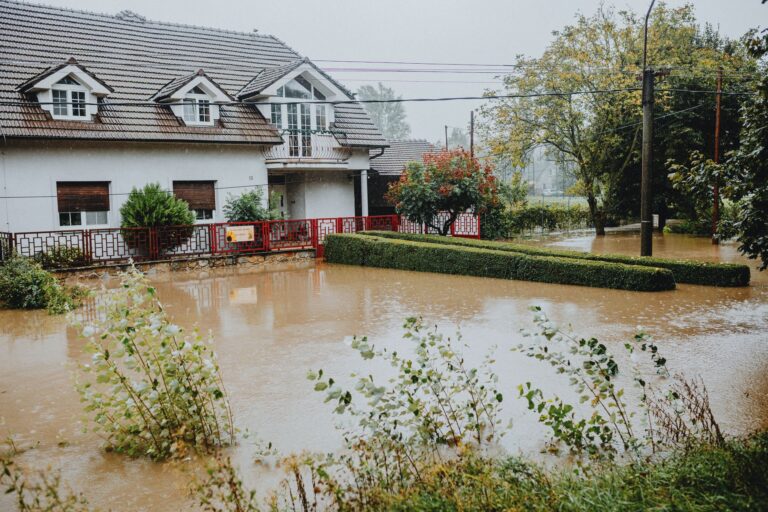
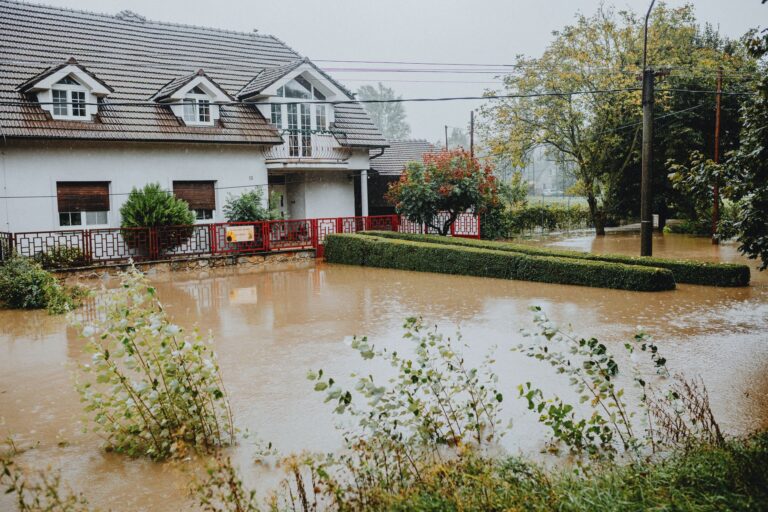
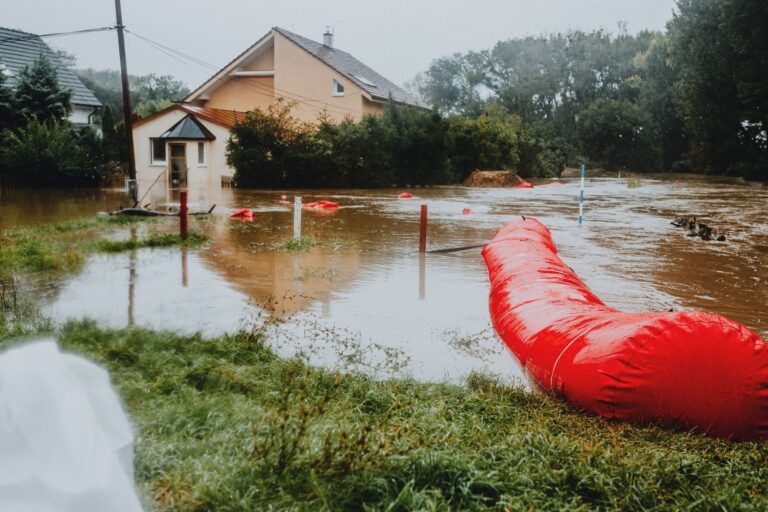
Spring in the Ohio River Valley often brings heavy rainfall and an increased risk of rising water levels. Developing a proactive flood preparedness guide for Cincinnati, OH, is essential to protect your household from the seasonal threats posed by the Ohio River and local tributaries. Early preparation is the most effective way to minimize damage and ensure your family remains safe.
Your county's real disaster history, what to do first, and what to keep at home. Free, and it shows up right here.
🔒 We never sell your email. Unsubscribe in one click.
📋 Print this checklist, keep it with your emergency supplies.
Before Flood Season. Cincinnati Checklist
- ☐ Check your flood zone: Visit the FEMA Flood Map Service Center to determine if your property is in a high-risk area.
- ☐ Review insurance policies: Standard homeowners insurance often does not cover flood damage; verify your NFIP coverage.
- ☐ Clear drainage areas: Remove debris from gutters, downspouts, and nearby storm drains to prevent localized flooding.
- ☐ Elevate utilities: If possible, raise electrical panels, water heaters, and furnaces above the base flood elevation.
- ☐ Document belongings: Create a digital inventory of your home contents with photos and receipts for insurance claims.
- ☐ Establish an evacuation route: Identify multiple routes to higher ground in coordination with Hamilton County emergency plans.
- ☐ Sign up for alerts: Register for the Cincinnati/Hamilton County emergency notification system to receive real-time weather warnings.
Emergency Kit Checklist
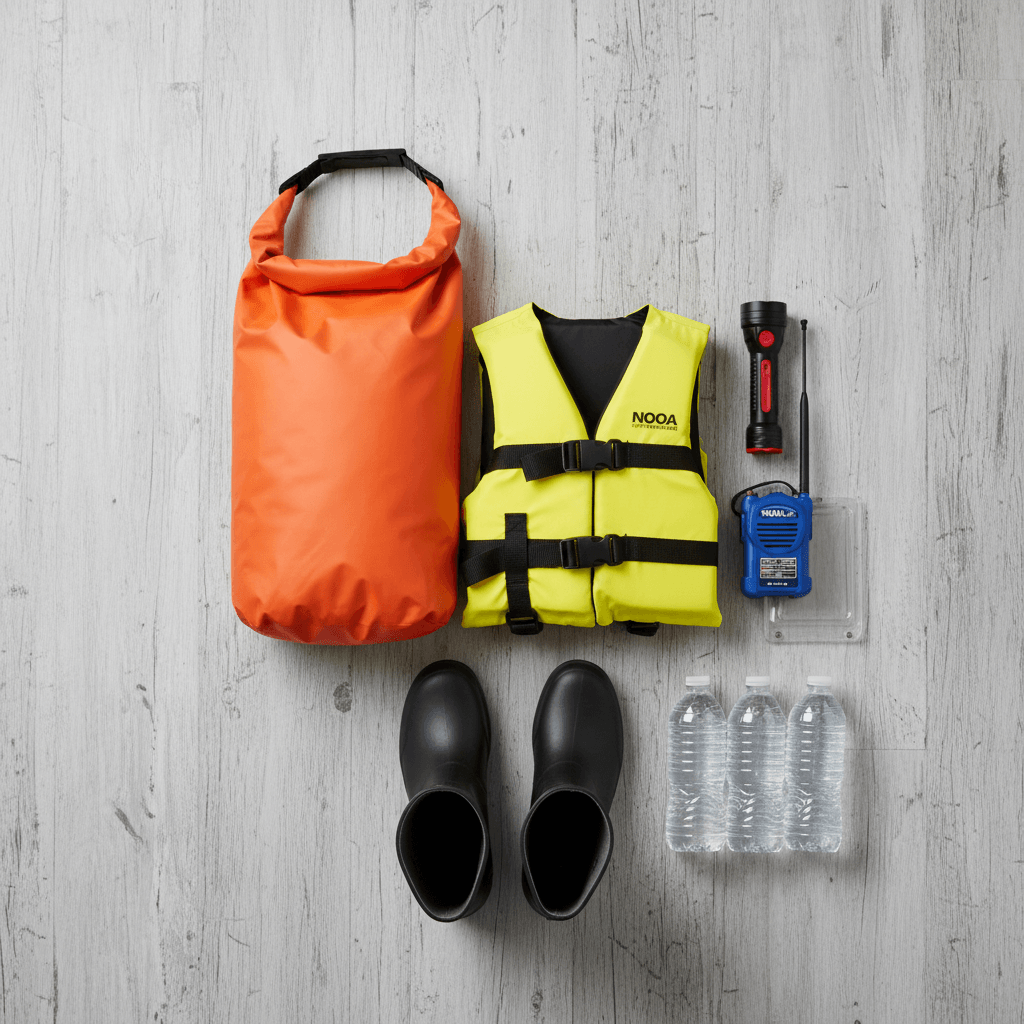
Your emergency kit should sustain your household for at least 72 hours. Ensure these items are stored in a waterproof container.
- Water (one gallon per person per day)
- Non-perishable food
- Battery-powered or hand-crank NOAA Weather Radio
- Flashlight and extra batteries
- First aid kit
- Whistle to signal for help
- Dust mask to help filter contaminated air
- Plastic sheeting and duct tape for shelter-in-place needs
- Moist towelettes, garbage bags, and plastic ties for personal sanitation
- Wrench or pliers to turn off utilities
- Manual can opener
- Local maps
📦 Recommended: The Lost Superfoods
When flooding makes local stores inaccessible, having a reliable supply of long-lasting, nutrient-dense food is critical for your family’s security.
During Flood Events
- Monitor local news and National Weather Service (weather.gov) updates for flood warnings.
- Move to higher ground immediately if you are in a flood-prone area or if authorities issue an evacuation order.
- Do not walk or drive through floodwaters; six inches of moving water can knock an adult off their feet, and two feet can sweep away most vehicles.
- Turn off utilities at the main switches if instructed by authorities and if it is safe to do so.
- Avoid contact with floodwater, which may be contaminated with sewage, chemicals, or debris.
After Flood: Recovery Steps
- Wait for official confirmation from local authorities that it is safe to return to your property.
- Inspect your home for structural damage, gas leaks, or electrical hazards before entering.
- Document all damage with photographs and videos for insurance purposes before beginning any cleanup.
- Discard items that have been soaked by floodwater and cannot be disinfected, such as mattresses or carpeting.
- Contact your insurance agent to initiate the claims process as soon as possible.
Frequently Asked Questions
How do I know if my Cincinnati home is in a flood zone?
You can check your property’s risk by visiting the FEMA Flood Map Service Center and entering your specific address.
Is flood damage covered by standard homeowners insurance?
No, standard homeowners insurance typically excludes flood damage. You must usually purchase a separate policy through the National Flood Insurance Program (NFIP).
What should I do if the power goes out during a flood?
Use a battery-operated or hand-crank radio to monitor local stations. Avoid using candles, as they pose a fire risk in damaged structures.
Can I drive through standing water?
Never drive through flooded roads. The depth and stability of the road surface beneath the water cannot be determined, and vehicles can easily be swept away.
Where can I find local Cincinnati emergency resources?
Monitor the City of Cincinnati Emergency Management website for local directives.
Get real disaster prep, decoded from FEMA, NOAA & USGS.
One short email when something actually matters for your zip code. No spam, ever.