

Last Updated: April 2026 | Based on FEMA/NOAA/USGS data
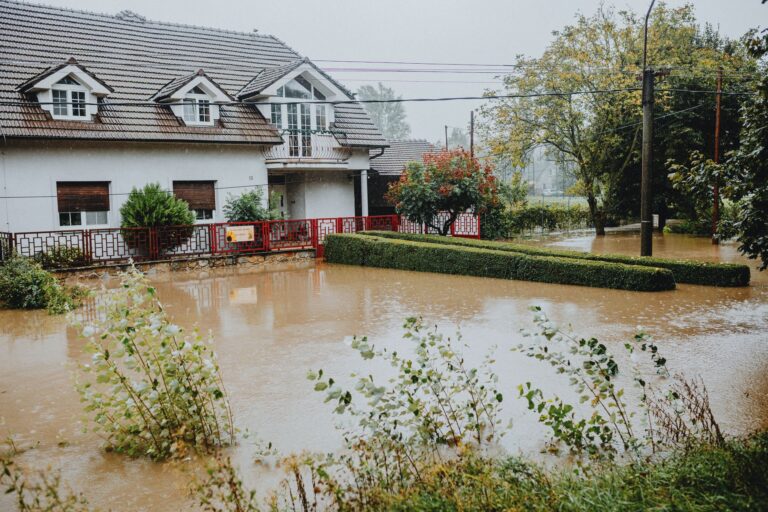
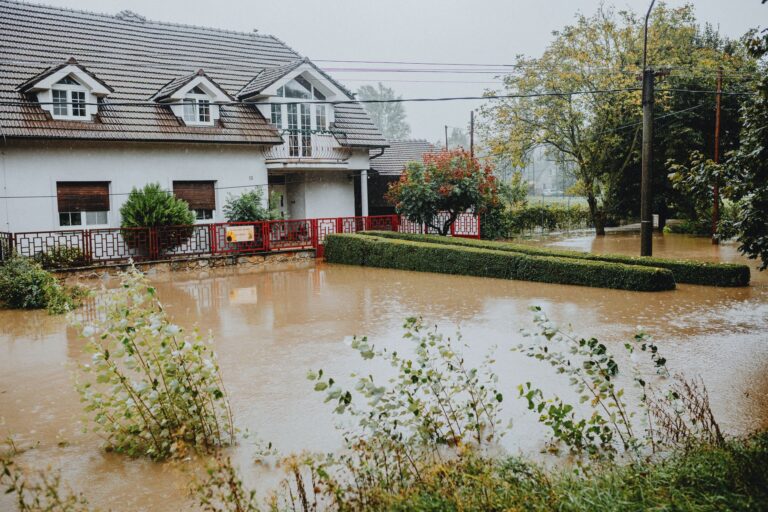
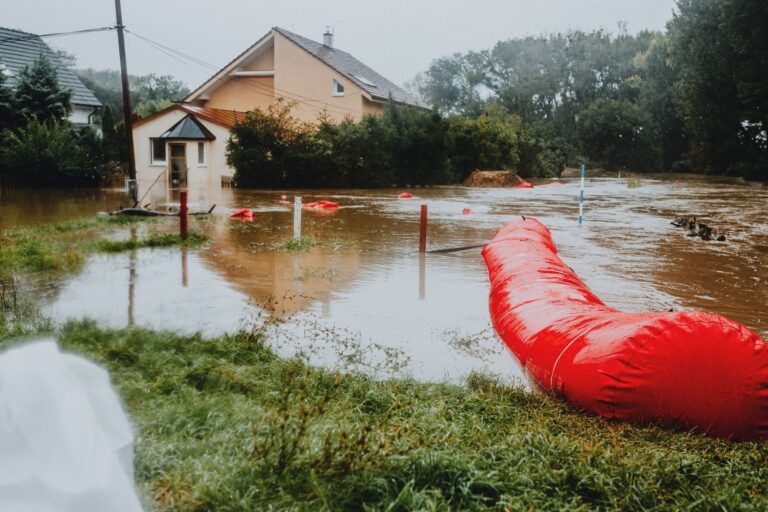
Effective flood preparedness for Minneapolis, MN, requires proactive planning before the spring thaw increases water levels in the Mississippi River and local tributaries. As snowpack melts, residents must monitor local conditions, as current NOAA data indicates active weather monitoring is standard for the region. Taking action now reduces property risk and ensures your household remains resilient when water levels rise.
Your county's real disaster history, what to do first, and what to keep at home. Free, and it shows up right here.
🔒 We never sell your email. Unsubscribe in one click.
Key Takeaways
- Minneapolis spring flooding is primarily driven by rapid snowmelt and heavy seasonal rain.
- Know your home’s location relative to FEMA-designated Special Flood Hazard Areas.
- Maintain a 72-hour emergency kit tailored to your family’s specific medical and dietary needs.
- Register for local emergency alerts through the City of Minneapolis notification system.
- Ensure your sump pump and backflow valves are operational before the peak melt season.
Understanding Flood Risk in Minneapolis, Minnesota
According to FEMA, Minneapolis faces flood risks primarily due to the proximity of the Mississippi River, the Minnesota River, and several creeks that can swell during the spring. While many areas are protected by levee systems, the risk of flash flooding remains during intense spring storms. USGS data emphasizes that the saturation of soil during the spring thaw decreases the ground’s ability to absorb excess water, increasing runoff into residential basements and low-lying areas. Monitoring NOAA weather alerts is essential for real-time updates on river stages and flash flood warnings.
How to Prepare for Flood: Step-by-Step
Step 1: Know Your Flood Zone
Visit the FEMA Flood Map Service Center to determine if your residence sits within a high-risk flood zone. Even if you are not in a designated zone, surface water can impact any home.
Step 2: Inspect Your Home Drainage
Ensure your gutters are clear of debris and that downspouts direct water at least six feet away from your foundation. Check your sump pump for proper operation; test it by pouring a bucket of water into the pit to trigger the float switch.
Step 3: Review Your Insurance Policy
Standard homeowners insurance rarely covers flood damage. Contact your agent to discuss a policy through the National Flood Insurance Program (NFIP), keeping in mind that most policies have a 30-day waiting period before taking effect.
Step 4: Elevate Critical Utilities
If your furnace, water heater, or electrical panel is in a basement prone to moisture, consult a professional about elevating these components or installing flood shields on basement windows.
Step 5: Document Your Property
Create a digital inventory of your home’s contents, including photographs or video, and store these documents in a cloud-based service to facilitate potential insurance claims.
Step 6: Prepare Your Communication Plan
Establish a meeting point outside of the flood-prone area and ensure every family member knows how to receive emergency notifications from the City of Minneapolis.
Essential Emergency Kit for Minneapolis
- One gallon of water per person per day for at least three days.
- Non-perishable food items and a manual can opener.
- Battery-powered or hand-crank NOAA weather radio.
- Flashlight and extra batteries.
- First aid kit including prescription medications.
- Whistle to signal for help.
- Dust mask or plastic sheeting for contaminated air.
- Moist towelettes and garbage bags for personal sanitation.
- Wrench or pliers to turn off utilities.
- Local maps and emergency contact list.
- Cash in small denominations.
- Portable power bank for mobile devices.
Local Resources
Stay informed through official local channels:
- City of Minneapolis Emergency Preparedness
- Hennepin County Emergency Management
- Minnesota Homeland Security and Emergency Management
📦 Recommended: The Lost Superfoods
Maintain nutritional security during potential supply chain disruptions caused by spring flooding. This guide provides long-lasting food strategies for when local stores are inaccessible.
Frequently Asked Questions
How do I sign up for Minneapolis flood alerts?
Residents should register for the City of Minneapolis emergency notification system via their official municipal website to receive text or email alerts regarding severe weather and flood threats.
Does my homeowners insurance cover flooding?
No, standard homeowners policies do not cover flood damage. You must purchase a separate policy through the NFIP or a private insurer to obtain coverage for flood-related structural and content damage.
What should I do if a flash flood warning is issued?
If a warning is issued, move to higher ground immediately. Do not walk or drive through flooded roads, as six inches of moving water can knock an adult off their feet, and two feet can sweep away most vehicles.
How can I protect my basement from spring snowmelt?
Ensure your sump pump has a battery backup system, install check valves on sewer lines to prevent backflow, and seal basement wall cracks with waterproof masonry cement.
What is the difference between a flood watch and a flood warning?
A flood watch means conditions are favorable for flooding, and you should be prepared. A flood warning means flooding is imminent or occurring, and you must take immediate action to protect life and property.
Get real disaster prep, decoded from FEMA, NOAA & USGS.
One short email when something actually matters for your zip code. No spam, ever.