
Last Updated: March 2025 | Based on FEMA/NOAA/USGS data
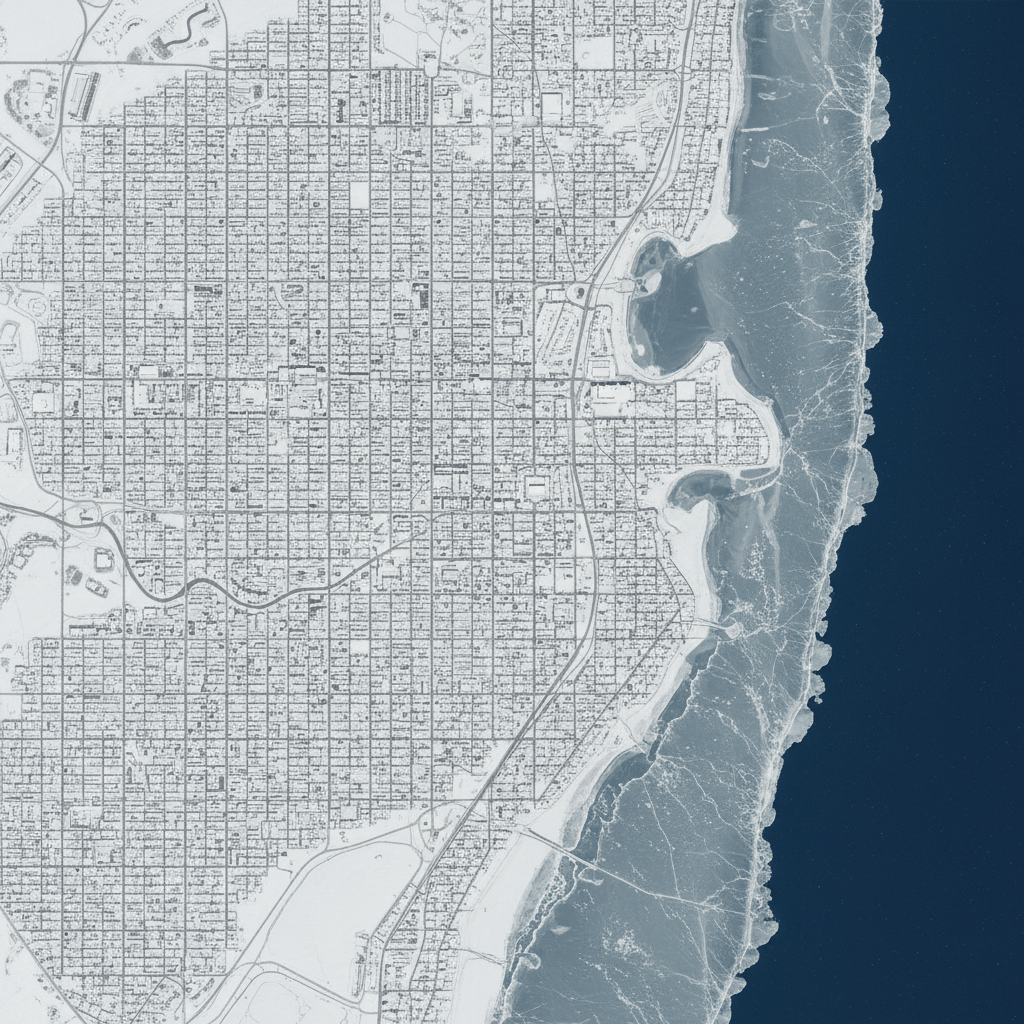
Winter storm preparedness guide Milwaukee WI efforts are essential as the region faces significant risks from heavy snowfall, ice accumulation, and extreme cold. With Milwaukee’s proximity to Lake Michigan, rapid weather shifts can result in life-threatening conditions. According to recent NOAA data, local monitoring stations continue to track atmospheric shifts, and residents should remain vigilant to ensure they have adequate supplies for potential power outages.
Your county's real disaster history, what to do first, and what to keep at home. Free, and it shows up right here.
🔒 We never sell your email. Unsubscribe in one click.
Key Takeaways
- Milwaukee winters frequently bring heavy lake-effect snow and sub-zero temperatures.
- Emergency kits should contain enough supplies for at least 72 hours of self-sufficiency.
- Maintaining a clear communication plan is vital when cell service or power is disrupted.
- Weather alerts from the National Weather Service should be monitored via NOAA weather radio.
- Protecting home infrastructure, such as pipes, is critical before the first deep freeze.
Understanding Winter Storm Risk in Milwaukee, Wisconsin
Milwaukee is susceptible to a variety of winter hazards. The National Weather Service (NWS) monitors these threats closely, providing critical alerts for blizzard conditions, ice storms, and wind chills. While the USGS tracks seismic activity across the country, your primary winter concern in Milwaukee is meteorological. According to FEMA, winter storms can cause widespread power outages, block roads for emergency vehicles, and lead to hypothermia if heating systems fail. The combination of high winds and heavy, wet snow often leads to downed power lines, making it imperative to be prepared for extended periods without electricity.
How to Prepare for Winter Storms: Step-by-Step
Step 1: Build Your Emergency Kit
Assemble a kit that includes non-perishable food, at least one gallon of water per person per day, flashlights, batteries, and a first-aid kit. Ensure you have warm blankets and extra layers for every household member.
Step 2: Winterize Your Home
Seal cracks with weather stripping or caulk to keep cold air out. Ensure your carbon monoxide detectors are functioning, as the risk of CO poisoning increases when using alternative heating sources during a power outage.
Step 3: Prepare Your Vehicle
Keep your gas tank at least half-full to prevent fuel line freeze-ups. Pack a dedicated winter car kit including an ice scraper, jumper cables, sand for traction, and a shovel.
Step 4: Create a Communication Plan
Discuss with family members how you will contact one another if the power goes out. Designate an out-of-area contact who can relay information if local networks are congested.
Step 5: Monitor Official Alerts
Use a battery-powered or hand-crank NOAA weather radio to receive updates from weather.gov. Official government alerts are the most reliable source of information during a developing storm.
Essential Emergency Kit for Milwaukee
- Water (one gallon per person/day)
- Non-perishable food (high-energy, no-cook options)
- Battery-powered or hand-crank NOAA weather radio
- Flashlights and extra batteries
- First-aid kit and essential medications
- Multi-purpose tool
- Sanitation and personal hygiene items
- Copies of important documents in a waterproof container
- Cell phone with portable power banks
- Warm clothing, blankets, and sleeping bags
- Whistle to signal for help
- Ice melt or sand for walkways
Local Resources
Stay informed through local official channels:
- City of Milwaukee Department of Public Works
- Milwaukee County Office of Emergency Management
- National Weather Service Milwaukee/Sullivan
📦 Recommended: EZ Battery Reconditioning
Keep your emergency batteries and backup power packs alive through extended outages. This step-by-step method restores tired batteries so your radios, lights and devices stay powered when the grid is down.
Frequently Asked Questions
How can I stay warm if the power goes out in Milwaukee?
Use blankets, sleeping bags, and warm clothing to retain body heat. Isolate one room to live in, and keep doors closed to maintain temperature. Never use a generator, grill, or camp stove indoors due to carbon monoxide risks.
When should I clear snow from my roof?
If you notice significant accumulation or signs of structural stress, contact a professional. Climbing on icy roofs is dangerous and should be avoided by untrained individuals.
How do I prevent pipes from freezing?
Keep your thermostat set to at least 55 degrees, even if you are away. Open cabinet doors to allow warm air to reach plumbing, and let faucets drip slightly during extreme cold snaps.
What is the difference between a watch and a warning?
A watch means conditions are favorable for a storm; a warning means a storm is occurring or imminent and you should take immediate action to protect yourself.
How long should my emergency supplies last?
FEMA recommends being prepared to be self-sufficient for at least 72 hours, though having enough supplies for a week is ideal for severe winter events.
Get real disaster prep, decoded from FEMA, NOAA & USGS.
One short email when something actually matters for your zip code. No spam, ever.