
Last Updated: October 2023 | Based on FEMA/NOAA/USGS data
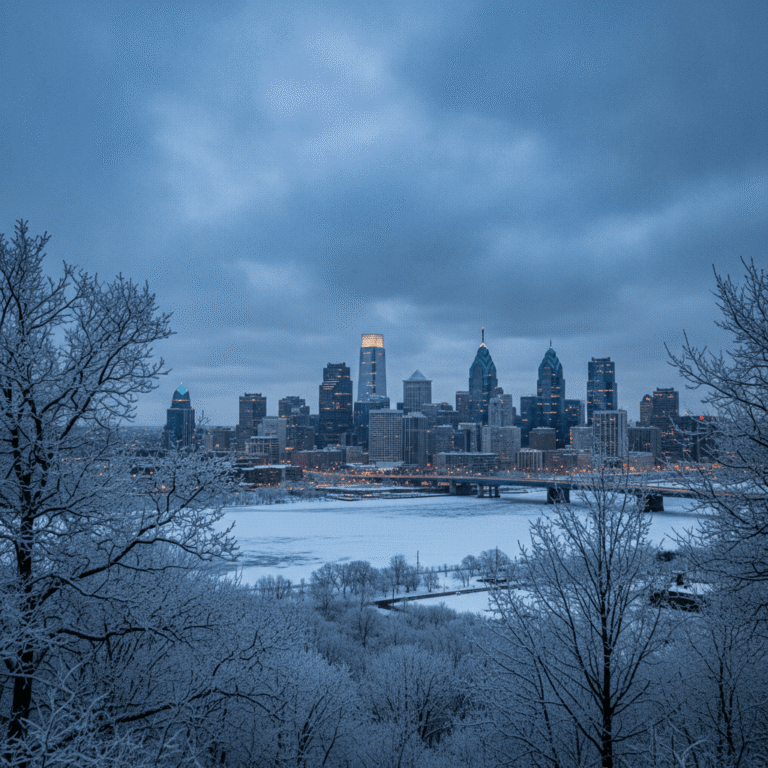
Burlington, VT, faces significant winter weather risks, with average annual snowfall exceeding 80 inches and temperatures frequently dropping below zero. Following a winter storm preparedness guide Burlington VT involves winterizing your home and vehicle right now, before the first freeze hits. Currently, NOAA reports no active winter weather alerts for Chittenden County, but residents must prepare for the rapid onset of Nor’easters and lake-effect snow.
Your county's real disaster history, what to do first, and what to keep at home. Free, and it shows up right here.
🔒 We never sell your email. Unsubscribe in one click.
Key Takeaways
- Burlington averages over 80 inches of snow annually, requiring proactive home winterization.
- Maintain at least 72 hours of supplies, including specialized cold-weather gear.
- Understand the distinction between a Winter Storm Watch and a Warning from the NWS Burlington office.
- Carbon monoxide poisoning is a high risk during power outages; ensure detectors are functional.
- Local resources like VT-Alert are critical for real-time updates during severe weather events.
Understanding Winter Storm Risk in Burlington, Vermont
Burlington’s geography creates a unique set of challenges during the winter months. Situated on the eastern shore of Lake Champlain, the city is susceptible to lake-effect snow and rapid temperature fluctuations. According to FEMA historical data, Vermont has seen numerous major disaster declarations related to severe winter storms and ice events, which often lead to widespread power outages and transportation standstills. NOAA climate records indicate that the Lake Champlain Valley can experience extreme wind chill factors that reach life-threatening levels within minutes.
Preparation must happen before the season hits because the infrastructure in Chittenden County, while robust, can become overwhelmed by back-to-back storms. Historically, FEMA has noted that the primary threats in this region are heavy wet snow that downs power lines and extreme ice accumulation that makes the steep hills of Burlington impassable. While USGS data currently shows no seismic activity in the region that would complicate recovery, the primary geological concern remains the stability of snow-loaded roofs and the potential for spring flooding following a heavy winter season.
How to Prepare for Winter Storms: Step-by-Step
Step 1: Audit Your Home’s Insulation and Seal Drafts
The efficiency of your home’s thermal envelope is your first line of defense. Right now, before the temperature drops, inspect all windows and doors for air leaks. Use weatherstripping or caulk to seal gaps. According to FEMA recommendations, adding insulation to attics and basements can prevent ice dams from forming on your roof. Ice dams occur when heat escapes through the roof, melting snow that then refreezes at the gutters, causing water to back up under shingles and into your home.
Step 2: Service Your Heating Systems and Chimneys
Heating equipment is a leading cause of home fires in Vermont during the winter. Have a professional technician service your furnace or boiler annually. If you use a wood-burning stove or fireplace, ensure the chimney is cleaned to prevent creosote buildup. It is vital to have a secondary, non-electric heating source if possible, but it must be safely vented. FEMA emphasizes that you should never use a gas oven or charcoal grill to heat your home due to the high risk of carbon monoxide poisoning.
Step 3: Prepare Your Vehicle for Vermont Winter Travel
Winter storm preparedness guide Burlington VT requirements extend to your car. Burlington’s hills, particularly around the University of Vermont and the downtown waterfront, require high-traction tires. Install winter tires before the first snowfall. Your vehicle should also have its own mini-emergency kit, including a snow brush, ice scraper, jumper cables, and a bag of sand or kitty litter for traction. NOAA suggests keeping your gas tank at least half full during the winter to prevent fuel line freeze-up and to ensure you have enough fuel to run the engine for heat if you become stranded.
Step 4: Establish a Communication and Power Outage Plan
Power outages are a frequent byproduct of Vermont winters. Identify how you will receive information if the internet goes down. A battery-powered or hand-crank NOAA Weather Radio is essential. Ensure every family member knows how to sign up for VT-Alert, the state’s emergency notification system. Map out where you will go if your home becomes too cold to stay in, such as a local warming shelter designated by the City of Burlington.
Step 5: Stockpile Food, Water, and Medications
When a major storm hits the Champlain Valley, supply chains can be disrupted for days. Store at least a three-day supply of non-perishable food that does not require cooking. Stock one gallon of water per person per day. If you rely on prescription medications, try to maintain a one-week buffer. Do not forget the needs of pets; ensure you have extra food and a warm place for them to sleep indoors.
Step 6: Learn to Recognize Cold-Related Health Emergencies
Frostbite and hypothermia are serious risks in Burlington. Frostbite causes a loss of feeling and color in extremities, while hypothermia is a dangerously low body temperature. According to the CDC and NOAA, if you notice someone shivering uncontrollably, experiencing memory loss, or slurred speech, they may be hypothermic. Seek medical attention immediately. Understanding these signs is a core part of any winter storm preparedness guide Burlington VT strategy.
Essential Emergency Kit for Burlington
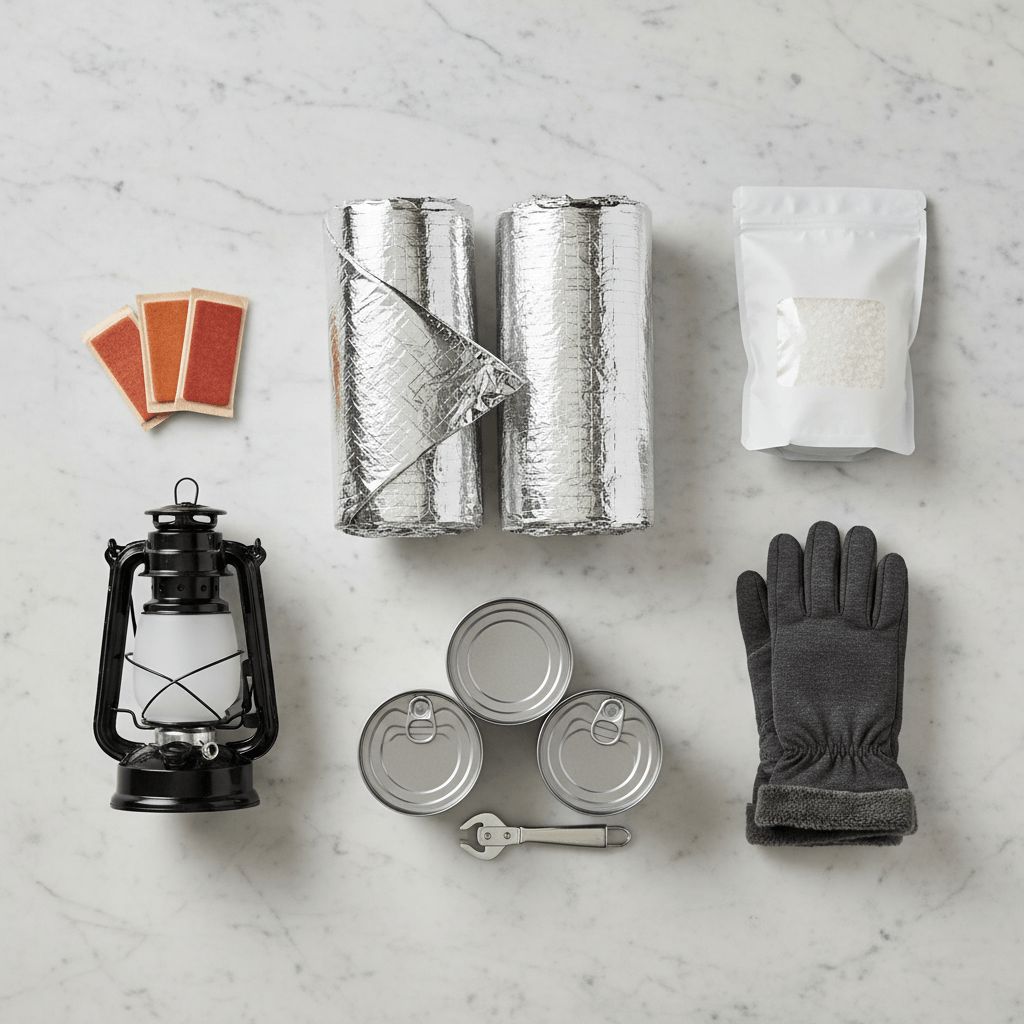
Your emergency kit should be easily accessible and tailored to the extreme cold of a Vermont winter. Include the following 12+ items:
- Battery-powered or hand-crank NOAA Weather Radio
- Flashlight with extra batteries (lithium batteries perform better in cold)
- First aid kit including a manual for cold-weather injuries
- 72-hour supply of water (1 gallon per person per day)
- Non-perishable, high-calorie food
- Extra warm clothing, including thermal layers, wool socks, and waterproof boots
- Heavy blankets or sleeping bags rated for sub-zero temperatures
- Whistle to signal for help
- Moist towelettes, garbage bags, and plastic ties for personal sanitation
- Manual can opener
- Cell phone with chargers and a backup power bank
- Ice melt or sand for walkways
- Snow shovel and basic tool kit
Local Resources
Stay connected with local authorities to receive the most accurate information for the Burlington area:
- Burlington Emergency Management
- Vermont Emergency Management (VEM)
- VT-Alert System Sign-up
- National Weather Service – Burlington Office
📦 Recommended: EZ Battery Reconditioning
During a Burlington winter storm, power outages can last for days. This guide helps you keep your emergency tool batteries and vehicle batteries functional when you can’t get to a store.
Frequently Asked Questions
When does winter storm season start in Burlington?
While the most severe storms typically occur between December and March, Burlington can experience significant snowfall as early as October and as late as May. It is best to complete your winter storm preparedness guide Burlington VT checklist by the end of October.
What is the difference between a Winter Storm Watch and Warning?
A Winter Storm Watch means severe winter weather conditions are possible within the next 36 to 48 hours. A Winter Storm Warning is more urgent, indicating that severe winter weather is occurring, imminent, or highly likely, posing a threat to life and property.
How do I prevent pipes from freezing in Burlington?
To prevent frozen pipes during extreme cold, allow faucets to drip slightly to keep water moving. Open cabinet doors under sinks to allow warm air to circulate around the plumbing. If you plan to be away from home, keep the thermostat set to at least 55 degrees Fahrenheit.
Where are the emergency shelters in Burlington?
The City of Burlington typically designates warming shelters at community centers or schools during extreme cold events or prolonged power outages. Check the Burlington VT official website or call 2-1-1 for the nearest active shelter location during a storm.
What should I do if my power goes out during a Vermont storm?
Report the outage to Burlington Electric Department immediately. Keep refrigerator and freezer doors closed to preserve food. Dress in layers and gather in a central room to retain body heat. Never use outdoor generators indoors or in enclosed spaces like garages.
Get real disaster prep, decoded from FEMA, NOAA & USGS.
One short email when something actually matters for your zip code. No spam, ever.