
California has had 151 federally declared disasters since January 2016, more than any other state in that window. Of those, 121 were fires. Not earthquakes. Not floods. Fires, by a margin that should reshape how every Los Angeles resident thinks about their household plan.
Your county's real disaster history, what to do first, and what to keep at home. Free, and it shows up right here.
🔒 We never sell your email. Unsubscribe in one click.
That doesn’t mean you ignore seismic risk. The Puente Hills fault runs directly beneath the city. USGS models put the probability of a magnitude 6.7 or greater earthquake in Southern California at roughly 60% within the next 30 years. But the FEMA declaration record is telling you something specific: in California, the disaster most likely to show up at your door first is a wildfire, and in January 2025, three of them did, all declared on the same day. The Eaton Fire, the Hurst Fire, and the broader Wildfires and Straight-Line Winds event hit simultaneously, followed by the Bain Fire and Sandy Fire in May 2026.
Preparing for Los Angeles means holding both realities at once: the slow, probabilistic earthquake threat and the fast-moving, recurring fire threat that FEMA data confirms is already here.
📊 CA Federally Declared Disasters (2016–2026)
151 major disaster declarations were issued for CA in this period, according to FEMA records.
| Disaster type | Declarations |
|---|---|
| Fire | 121 |
| Severe Storm | 14 |
| Flood | 6 |
| Hurricane | 2 |
| Earthquake | 2 |
| Biological | 2 |
| Chemical | 1 |
| Tropical Storm | 1 |
Most recent declarations
| Date | Type | Event |
|---|---|---|
| 2026-05-25 | Chemical | Chemical Release |
| 2026-05-20 | Fire | Bain Fire |
| 2026-05-18 | Fire | Sandy Fire |
| 2025-09-03 | Fire | 2-7 Fire |
| 2025-08-08 | Fire | Canyon Fire |
| 2025-01-08 | Fire | Wildfires And Straight-Line Winds |
Source: FEMA OpenFEMA Disaster Declarations · retrieved 2026-07-19 by US Risk Radar.
Fire Is California’s Dominant Declared Disaster. Plan Accordingly
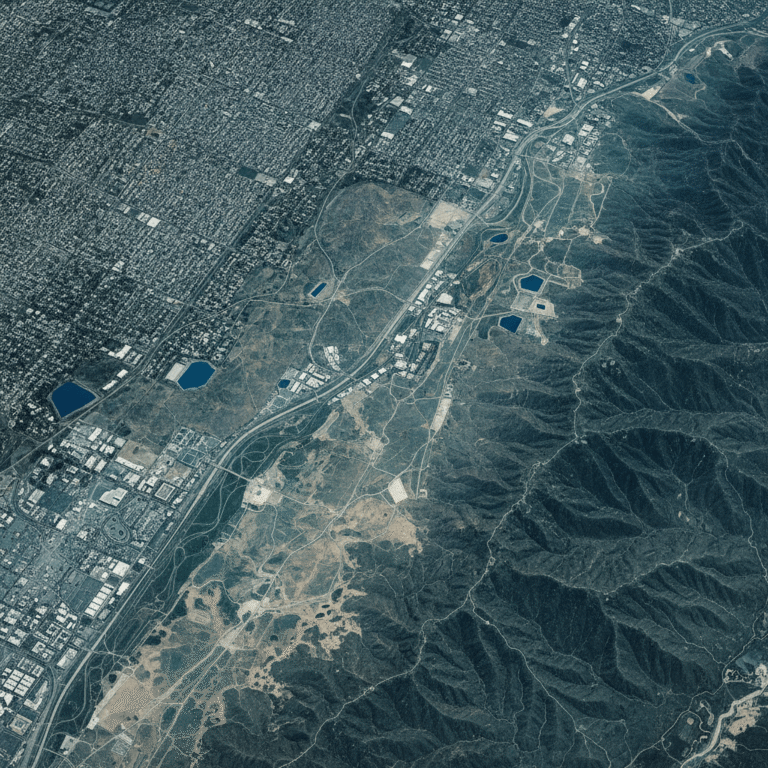
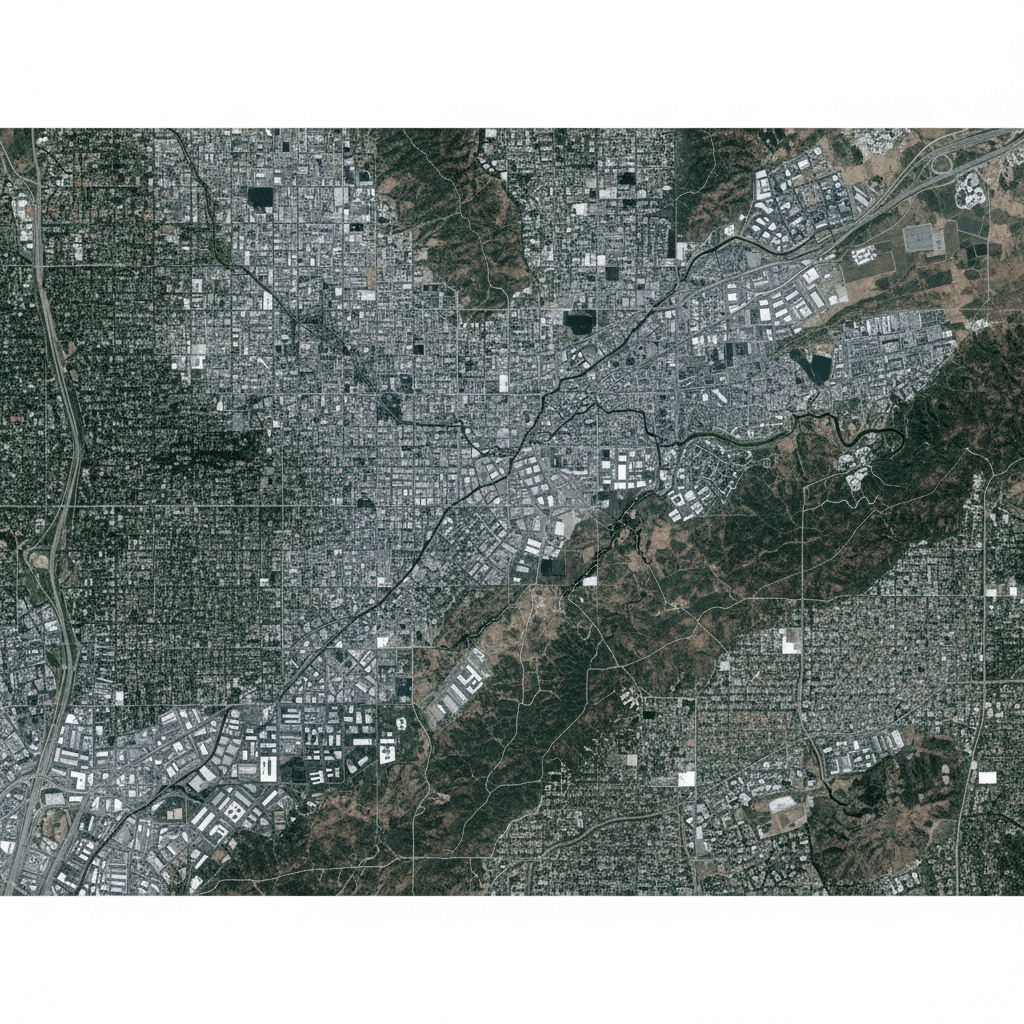
Eight of the most recent FEMA declarations in California involve fire, including three on a single January day in 2025. If you live in or near the urban-wildland interface, which, in LA, includes vast stretches of the San Fernando Valley, the foothills above Pasadena, and communities along the Santa Monica Mountains, your fire preparation is not a secondary concern. It is the primary one.
Know your evacuation zone before a fire starts. LA County uses a five-tier zone system (A through E, highest to lowest evacuation priority). See our Los Angeles wildfire 72-hour plan for what to pack once you know yours. Look yours up at lacounty.gov now, not during an active red-flag warning. The 2025 Eaton Fire moved fast enough to outpace residents who were still debating whether to leave.
Create defensible space. California law requires 100 feet of clearance around structures where terrain allows. Remove dead vegetation, trim tree limbs within 10 feet of the ground, and clear roof gutters of debris before fire season. Cal Fire inspections can result in fines, but more importantly, defensible space is one of the variables that determines whether your home survives while your neighbor’s doesn’t.
Pre-pack your go bag with fire in mind. A fire evacuation is not a hurricane shelter-in-place. You may have 15 minutes or less. Your bag should be by the door from October through April at minimum, and it should include: N95 masks (smoke inhalation is a serious health threat even miles from a fire line), copies of insurance documents and your home inventory, phone chargers, cash, medications for at least two weeks, and a hard-copy list of your out-of-area contacts. FEMA recommends registering with your county’s emergency notification system, in LA County, that’s NotifyLA.
Check weather.gov for Red Flag Warnings. The National Weather Service issues these when low humidity, dry vegetation, and high winds combine to create extreme fire conditions. A Red Flag Warning is your signal to review your evacuation plan, top off your gas tank, and move your go bag to the car.
Earthquake Readiness: What the Data Doesn’t Show Is Still Real
Only two of California’s 151 federal declarations since 2016 were classified as earthquakes, but that number reflects declaration thresholds, not seismic activity. The 2019 Ridgecrest sequence (M6.4 and M7.1) caused significant damage but was handled largely through existing state resources. A Puente Hills or San Andreas rupture would be a different category of event entirely, one that would overwhelm local infrastructure in ways the Eaton Fire did not.
The structural preparation list for LA homeowners is specific and worth doing room by room:
- Bolt your home to its foundation. Pre-1980 wood-frame homes, particularly those with cripple walls, are the most vulnerable. The California Earthquake Authority’s Brace + Bolt program has offered grants for this retrofit, check current availability.
- Strap your water heater to the wall. A toppled water heater can rupture a gas line. It also destroys your best post-quake source of clean water. Use seismic straps; they cost under $30 and take an hour to install.
- Replace rigid gas connectors with flexible ones. This is a licensed plumber job, but it is one of the highest-impact single upgrades you can make to reduce post-earthquake fire risk.
- Anchor tall furniture to studs. Bookcases, refrigerators, and water heaters should be secured. Museum putty works for smaller items. Falling furniture causes more earthquake injuries than structural collapse in most residential scenarios.
- Know where your gas shutoff is and keep a wrench there. Only turn it off if you smell gas or suspect a leak, restoration by SoCalGas can take days or weeks after a major event, so don’t shut it off unnecessarily.
- Store two weeks of water. One gallon per person per day is the FEMA minimum. Given that LA’s water infrastructure runs through earthquake-prone corridors, post-quake water outages could last significantly longer than 72 hours. Store in a cool, dark location and rotate every six months. See our best earthquake emergency kit for Los Angeles for specific product picks.
Practice Drop, Cover, and Hold On with everyone in your household. Drop to hands and knees, get under a sturdy table or against an interior wall away from windows, cover your neck and head, and hold on until shaking stops. This is the technique endorsed by USGS, FEMA, and the American Red Cross, it remains the correct response despite older myths about doorframes or the “triangle of life.”
The Smaller Disasters on California’s Record Also Have Lessons
California’s declaration history since 2016 also includes 14 severe storms, 6 floods, 2 hurricanes, 1 dam/levee break, and, most recently, a chemical release declared in May 2026. These aren’t anomalies; they’re reminders that a household plan built only around fire and earthquakes has gaps.
For chemical incidents: Shelter-in-place protocols differ from evacuation. If you receive a shelter-in-place alert, move to an interior room, close windows and doors, turn off HVAC systems, and seal gaps with tape or wet towels if advised. Monitor official channels, fema.gov and local emergency management, for the all-clear before ventilating your home.
For flooding: Six federal flood declarations since 2016 is modest for California’s size, but atmospheric river events have intensified. If you live in a low-lying area or near a drainage channel, check your flood zone status at FEMA’s Flood Map Service Center. Standard homeowner’s insurance does not cover flood damage, a separate National Flood Insurance Program policy requires a 30-day waiting period before it activates.
For severe storms: The January 2025 fires were driven partly by the same Santa Ana wind conditions that accompany severe storm declarations. A weather radio with battery backup, not just a phone app, gives you alerts when cell networks are congested during an active event.
Building Your Plan Around What California Actually Does
A preparedness plan that treats California as a generic disaster state misses the point of the data. Here is the practical priority order the FEMA record suggests:
- Fire evacuation plan with zone identification, go bag, and vehicle fueled from October through April.
- Earthquake structural retrofits (foundation bolt, water heater strap, flexible gas connectors) and a two-week water supply.
- Flood insurance review if you’re in or near a mapped flood zone.
- Chemical incident shelter-in-place protocol posted somewhere visible at home.
- Emergency communication plan with an out-of-state contact and a hard-copy contact list.
None of these require a significant budget outlay. Most require an afternoon and some basic hardware. The gap between prepared and unprepared households in Los Angeles has almost never been equipment, it’s been having made decisions before the emergency began.
Frequently Asked Questions
California had three fire declarations on a single day in January 2025, does that mean wildfire prep matters more than earthquake prep in LA?
The FEMA record shows fire is far more frequently declared than earthquakes, but the two risks operate on different timescales. Wildfires in California recur annually with increasing intensity. A major earthquake on the Puente Hills or San Andreas fault is lower-frequency but potentially higher-consequence. The practical answer: tackle fire prep first because the probability of needing it in the next five years is higher, then work through earthquake retrofits because the consequences of skipping them in a major event are severe.
The most recent declaration was a chemical release in May 2026, what does that mean for LA residents specifically?
Industrial and transportation corridors in and around Los Angeles, the Port of LA, the 710 freeway, rail lines through the basin, make chemical incidents a realistic scenario. The key difference from fire or earthquake response is that shelter-in-place is often the correct action, not evacuation. Knowing your local emergency notification system (NotifyLA for LA County) and keeping HVAC shutoff locations accessible are the two most useful preparations for this scenario.
Should I buy earthquake insurance if I already have homeowner’s insurance in California?
Standard homeowner’s policies in California exclude earthquake damage. The California Earthquake Authority (CEA) offers policies through participating insurers, coverage typically includes dwelling repair, loss of use, and personal property, with deductibles ranging from 5% to 25% of dwelling coverage. Whether it’s worth it depends on your home’s age, construction type, location relative to mapped fault zones, and your financial capacity to absorb a partial or total loss. Pre-1980 unreinforced masonry or hillside homes present the strongest case for coverage.
Official Resources
- City of Los Angeles Emergency Management Department
- California Governor’s Office of Emergency Services (Cal OES)
- FEMA.gov. Disaster Declarations
- NOAA National Weather Service. Red Flag Warnings
Disclaimer: This guide is for informational purposes only and does not constitute professional engineering or emergency management advice. Always follow instructions from local authorities during an actual emergency. Consult with certified structural engineers regarding the safety of your property.
Get real disaster prep, decoded from FEMA, NOAA & USGS.
One short email when something actually matters for your zip code. No spam, ever.