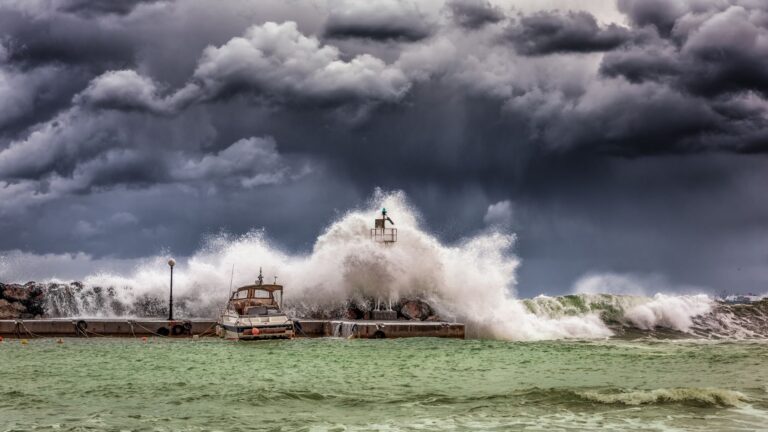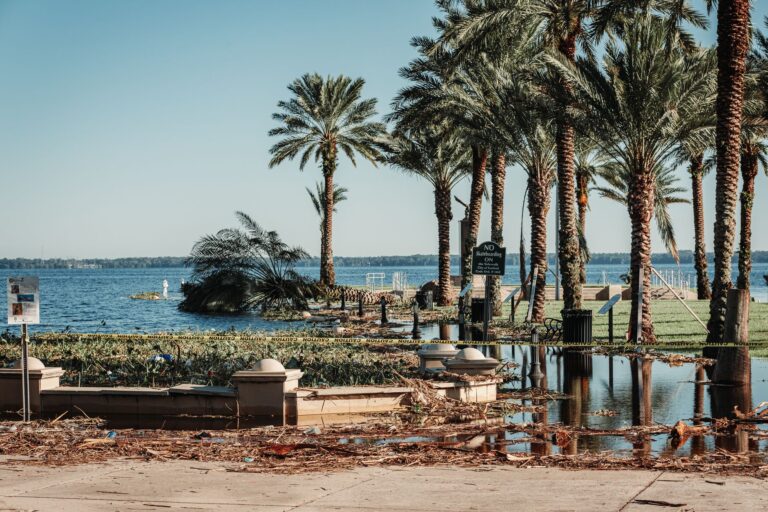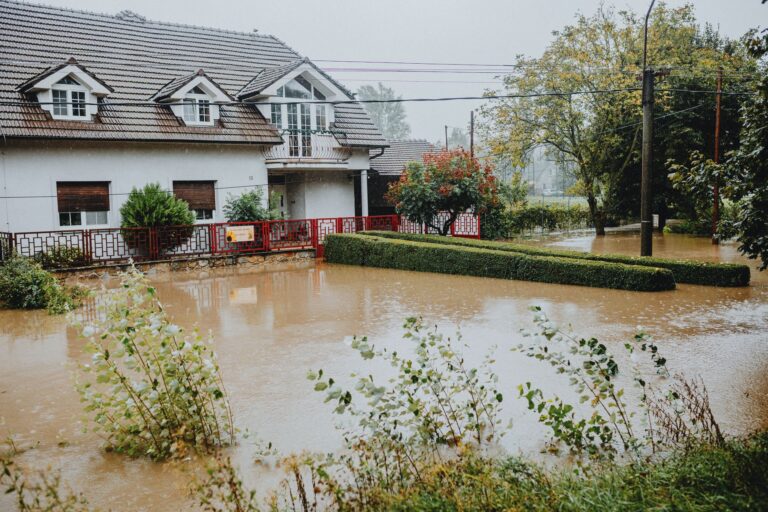

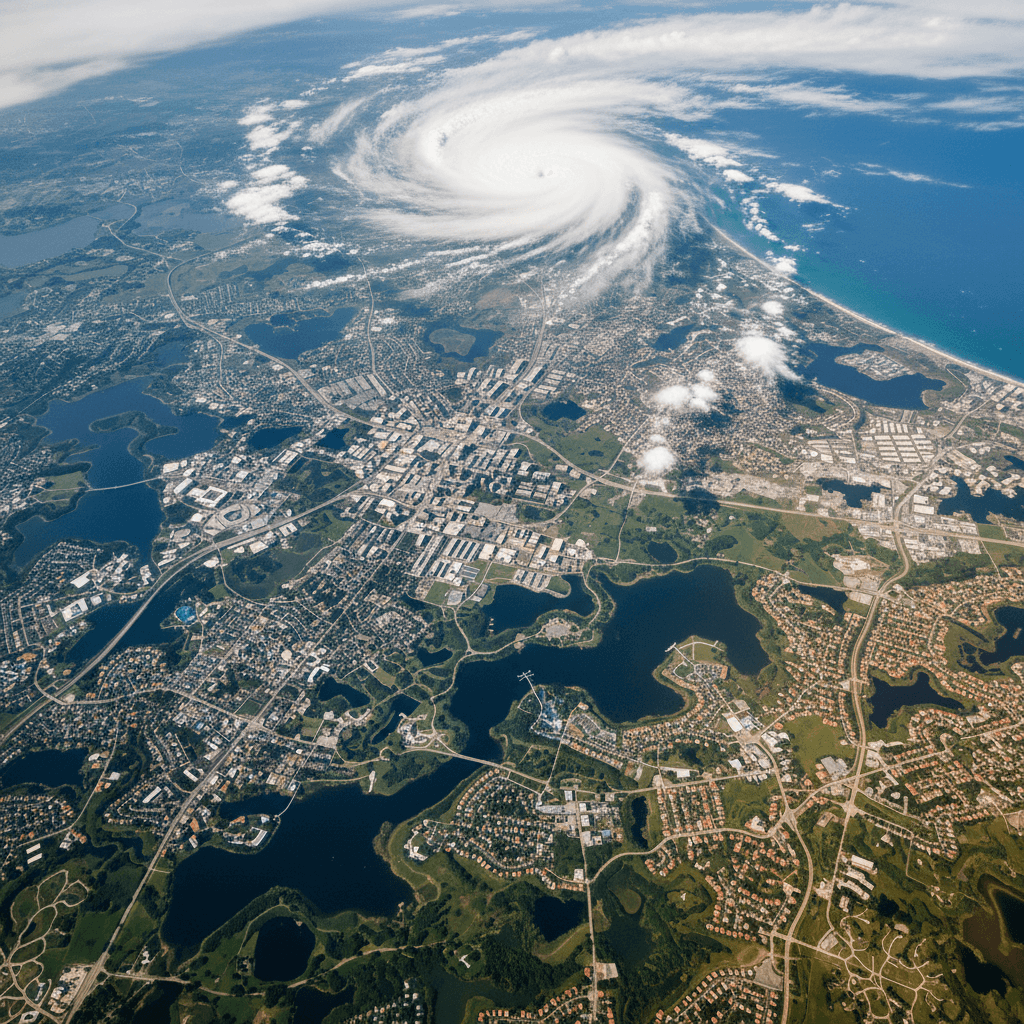
Since 2016, Florida has received 39 federally declared disasters, more than one every two months, on average. Eighteen of those were hurricane declarations. Six more were tropical storms. The most recent hurricane cluster, Milton, generated four separate FEMA declarations between October 7 and November 5, 2024. Helene hit just days before Milton’s first declaration. If you live in Orlando and you’ve been telling yourself that being 60 miles from the coast buys you a pass, the federal record says otherwise.
Your county's real disaster history, what to do first, and what to keep at home. Free, and it shows up right here.
🔒 We never sell your email. Unsubscribe in one click.
This guide is built around Florida’s actual disaster history, not a generic checklist. The dominant threats here, hurricanes, tropical storms, and increasingly, wildfire, shape what you should do, what you should buy, and what you should stop assuming.
📊 FL Federally Declared Disasters (2016–2026)
39 major disaster declarations were issued for FL in this period, according to FEMA records.
| Disaster type | Declarations |
|---|---|
| Hurricane | 18 |
| Fire | 7 |
| Tropical Storm | 6 |
| Biological | 4 |
| Severe Storm | 2 |
| Flood | 1 |
| Other | 1 |
Most recent declarations
| Date | Type | Event |
|---|---|---|
| 2026-04-23 | Fire | Cow Creek Fire |
| 2026-04-22 | Fire | Railroad Complex Fire |
| 2024-11-05 | Hurricane | Hurricane Milton |
| 2024-10-11 | Hurricane | Hurricane Milton |
| 2024-10-08 | Hurricane | Hurricane Milton |
| 2024-10-07 | Hurricane | Hurricane Milton |
Source: FEMA OpenFEMA Disaster Declarations · retrieved 2026-07-19 by US Risk Radar.
Why Milton Changed the Conversation for Inland Orlando
Hurricane Milton made landfall on Florida’s Gulf Coast near Siesta Key on October 9, 2024, but its damage footprint cut straight through Central Florida. Orange County recorded tornadoes, widespread flooding, and extended power outages that lasted days for hundreds of thousands of residents. FEMA issued declarations covering Milton on four separate dates across October and into November, a sign of how long the recovery tail stretched.
What Milton demonstrated, and what Irma did before it in 2017, is that Orlando sits inside the cone of consequence even when it isn’t near the cone of impact. Rainfall totals during Milton exceeded 10 inches in parts of Orange County. Flood-prone neighborhoods near Lake Underhill, the Conway chain of lakes, and low-lying sections of Pine Hills saw water in streets and in homes. The storm surge that kills people on the coast becomes the inland flood that destroys property and disrupts infrastructure for weeks.
If your hurricane plan is “wait and see,” that plan failed a lot of Orlando families in October 2024.
The Dominant Threat Pair: Hurricanes and Tropical Storms
Together, hurricanes and tropical storms account for 24 of Florida’s 39 federal declarations since 2016, nearly two-thirds of the state’s entire federal disaster record. That ratio matters when you’re deciding where to put your preparation energy.
For Orlando specifically, the threats those storms carry inland are:
- Tornadoes: Tropical systems routinely spin off tornadoes as they cross land. Orlando’s relatively flat terrain offers no natural protection. During Milton, confirmed tornadoes touched down in St. Lucie and Indian River counties as the storm’s outer bands swept through.
- Flash flooding: Central Florida’s sandy soil drains poorly once saturated. A storm that drops 8 inches of rain in 12 hours will overwhelm drainage infrastructure quickly. Know your flood zone before a storm is named, not after. Orange County’s flood zone map is available through the Orange County Emergency Management portal.
- Multi-day power outages: After Milton, some Orlando-area neighborhoods went without power for more than a week. Duke Energy and Orlando Utilities Commission both reported grid damage well inland. A two-day power bank isn’t enough. Plan for seven.
- Road closures: I-4, Colonial Drive, and other major corridors flood during heavy tropical rainfall events. If you plan to evacuate, the window closes faster than most people expect. NWS Jacksonville and Tampa Bay offices both issue watches and warnings that affect Orange County, monitor both.
The Underreported Risk: Wildfire
Seven of Florida’s 39 federal declarations since 2016 involved fire, and two of the most recent declarations in the FEMA record, Cow Creek Fire (April 23, 2026) and Railroad Complex Fire (April 22, 2026), were both fire events. That’s not a coincidence. Florida’s dry season overlaps with the pre-hurricane season, and Central Florida’s scrubland and pine flatwoods are highly flammable after months without significant rainfall.
Orlando residents in areas bordering Seminole State Forest, Reedy Creek, or the rural edges of Orange and Osceola counties should treat wildfire as a real seasonal risk, not just a coastal or Panhandle problem. If you smell smoke and can’t locate the source, check weather.gov for active Red Flag Warnings and the Florida Forest Service’s fire map before assuming it’s a controlled burn.
Wildfire preparation overlaps with hurricane preparation more than most people realize: go-bags, medication supplies, and vehicle fuel levels matter for both.
What to Actually Do Before June 1
The Atlantic hurricane season starts June 1. Stores in Orlando routinely run out of generators, batteries, and bottled water within hours of a named storm entering the Gulf. The time to act is now, not when a watch is issued.
Power resilience first
A generator is the single highest-impact item for Orlando households, given the pattern of week-long outages after major storms. If a generator isn’t in your budget, a 40,000–60,000 mAh power station (enough to run a CPAP machine overnight and charge phones repeatedly) is a meaningful alternative. Keep it charged. Rotate the charge monthly during hurricane season.
Water for seven days, not three
FEMA’s standard guidance at fema.gov is one gallon per person per day. For a household of four, that’s 28 gallons minimum. Pre-filled water barrels or stackable five-gallon jugs stored in a garage are more practical than cases of small bottles. Don’t forget water for pets.
Medications: the overlooked gap
After Hurricane Ian and Milton, Florida pharmacies in affected areas reported multi-day closures. Request a 30-day emergency supply of critical prescriptions before hurricane season starts. Florida law allows for early refills when a state of emergency has been declared, but you have to already be in the system and ready.
Know your evacuation trigger in advance
Orange County uses a lettered evacuation zone system (A through F). Zone A properties, lowest elevation, highest flood risk, are ordered to evacuate earliest. Look up your zone now at the Orange County Emergency Management site and decide your threshold before a storm is named. If you’re Zone A or B, your trigger should be a Category 2 or stronger storm within 72 hours. Don’t wait for the mandatory order.
Sign up for OCAlert
Orange County’s OCAlert system sends emergency notifications by text, call, or email. It is free. It covers shelter openings, road closures, and evacuation orders specific to your address. If you aren’t enrolled, do it before you close this tab.
The go-bag, built for Florida conditions
- Waterproof bag or dry sack. Florida rain is not optional
- Copies of insurance documents, IDs, and vehicle title
- 7-day medication supply in original labeled containers
- Cash in small bills (ATMs fail without power)
- Fully charged power bank, USB cables, car charger
- Battery or hand-crank NOAA Weather Radio
- Change of clothes, rain gear, closed-toe shoes
- Pet carrier, vaccination records, and 7-day pet food supply
- LED headlamp (hands-free beats a flashlight in the dark)
- Manual can opener
Local Resources
- Orange County Office of Emergency Management: Official Orange County Emergency Site
- Florida Division of Emergency Management: FloridaDisaster.org
- FEMA Resources: FEMA.gov
Frequently Asked Questions
Milton hit four times in FEMA’s records, does that mean four different storms?
No. A single hurricane can generate multiple FEMA declarations because federal disaster assistance is authorized in phases and for different counties or programs. Milton’s four declarations between October 7 and November 5, 2024 reflect the administrative process of expanding Individual Assistance, Public Assistance, and Hazard Mitigation programs as damage assessments were completed. One storm, one very long federal response.
Orlando had no flood declarations in that 39-event record, does that mean flooding isn’t a real risk here?
It means major floods haven’t triggered a standalone FEMA declaration recently, but that’s partly because flood damage in Central Florida has historically been captured under the hurricane and tropical storm declarations that caused it. FEMA’s National Flood Insurance Program pays claims in Orange County regularly. Flood risk is real and well-documented; it just doesn’t always get its own declaration line.
How do the April 2026 wildfire declarations affect Orlando residents?
The Cow Creek and Railroad Complex fires were declared in April 2026, and while neither was centered in Orange County, they signal that Florida’s fire season is active and can escalate quickly. For Orlando residents, the main concern is air quality during active fires in neighboring counties, particularly for people with asthma or respiratory conditions, and the reminder that dry conditions preceding hurricane season create dual-hazard exposure. N95 masks useful for wildfire smoke are the same masks useful during post-storm cleanup. Stock them either way.
Learn More About Related Risks
Residents should also review flood preparedness steps and understand the extended risks of power outage preparedness during multi-day grid failures common after major storms. For the full Orlando hurricane season plan, see our Hurricane Preparedness guide.
Disclaimer: This content is for informational purposes only and does not constitute professional emergency management advice. Disaster preparedness involves significant risks; always follow the guidance of local, state, and federal authorities during an emergency. Visit FEMA.gov for official guidelines.
Get real disaster prep, decoded from FEMA, NOAA & USGS.
One short email when something actually matters for your zip code. No spam, ever.