
Understanding Your Wildfire Risk in Sacramento
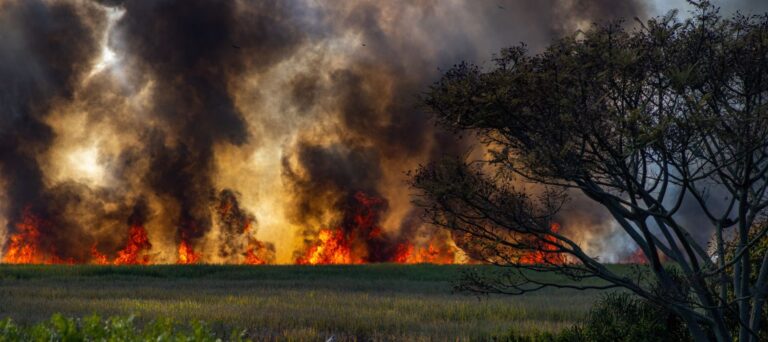
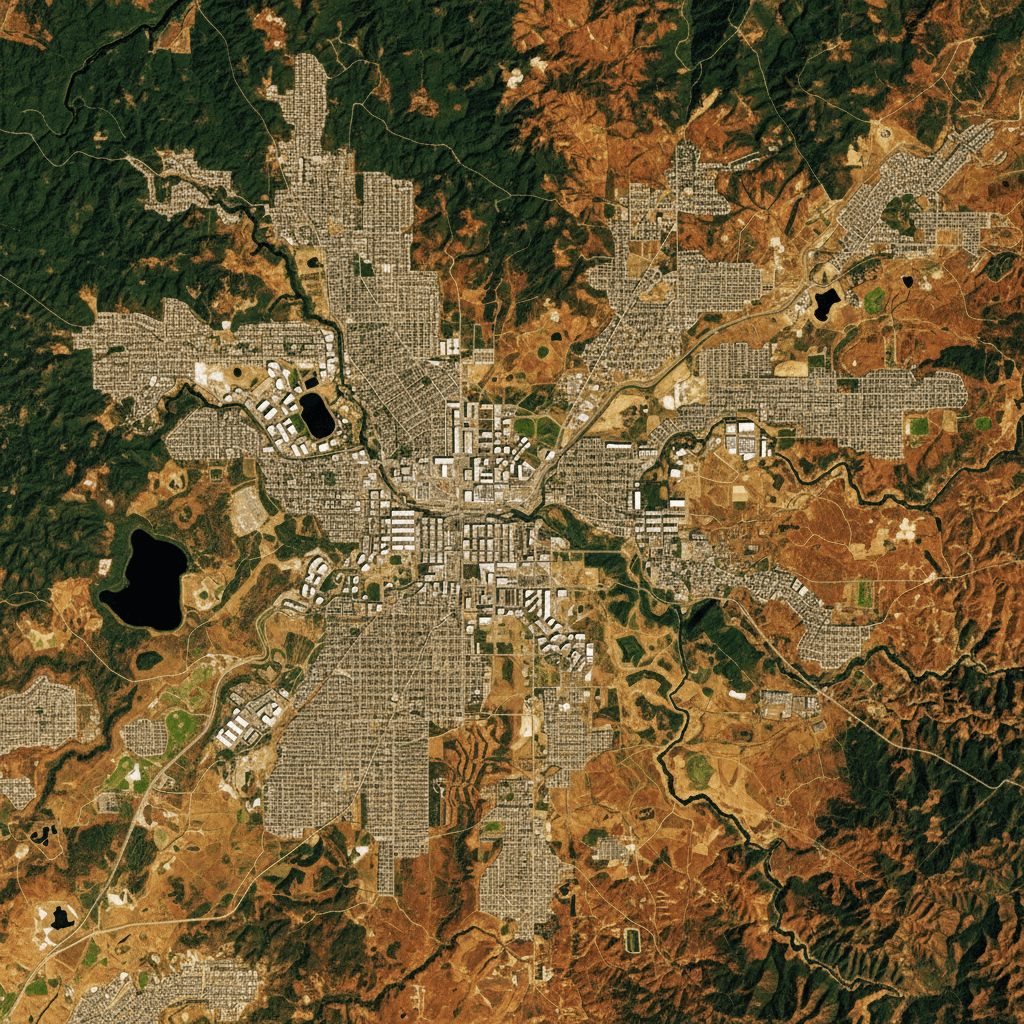
Wildfire preparedness in Sacramento is a critical responsibility for every resident as we transition into the warmer months of spring. While Sacramento is primarily an urban environment, the surrounding wildland-urban interface poses significant risks. Currently, there are no active wildfire-specific emergency alerts for Sacramento County, but proactive planning remains the most effective defense against future seasonal threats.
Your county's real disaster history, what to do first, and what to keep at home. Free, and it shows up right here.
🔒 We never sell your email. Unsubscribe in one click.
Current Risk Status: FEMA, NOAA, and USGS Data Analysis
As of today, we monitor federal data streams to ensure you have the most accurate situational awareness. While there are no wildfire emergency declarations from FEMA.gov for the Sacramento area, weather conditions can shift rapidly. According to weather.gov, spring in Northern California often brings drying trends that increase fire susceptibility. Furthermore, usgs.gov data confirms that while seismic activity is monitored globally, there are no immediate geological threats compounding local fire risks at this time.
The Sacramento Wildfire Preparedness Checklist
To ensure your household is ready for the upcoming fire season, follow this comprehensive checklist tailored for Sacramento residents:
- Clear Defensible Space: Remove dry vegetation, dead leaves, and pine needles within 5 feet of your home.
- Clean Your Gutters: Ensure gutters are free of debris that can act as kindling for embers.
- Hardening Your Home: Inspect roof vents and install 1/8-inch metal mesh to prevent ember entry.
- Emergency Go-Bag: Pack a 72-hour supply of water, non-perishable food, and medications for every family member.
- Document Digitization: Scan essential documents like insurance policies and identification to a secure, encrypted cloud drive.
- Family Communication Plan: Establish a designated out-of-area contact to coordinate family whereabouts during an evacuation.
- Register for Alerts: Sign up for Sacramento County Emergency Alerts to receive real-time notifications.
- Review Insurance: Contact your provider to ensure your dwelling coverage is updated for current replacement costs.
- Vegetation Management: Trim tree limbs that hang within 10 feet of your roof or chimney.
- Evacuation Route Planning: Identify at least two distinct ways to exit your neighborhood.
- Pet Readiness: Prepare a separate kit for pets, including leashes, carriers, and a 3-day supply of food.
- Power Backup: Maintain a portable power station or battery banks to keep communication devices charged during potential Public Safety Power Shutoffs.
Why Spring is the Time to Act
Spring is not just a season of renewal; it is a critical window for hazard mitigation. When disaster strikes, the time you spent in spring preparing your property and family will be the difference between a controlled situation and a crisis. Waiting until the height of summer to clear brush or organize your emergency supplies is often too late due to increased heat and red flag conditions.
Frequently Asked Questions
How often should I update my emergency kit?
You should update your emergency kit at least twice a year, ideally during daylight savings changes. Check expiration dates on food, water, and medications, and replace batteries in flashlights or radios. This ensures that when an emergency occurs, your supplies are fresh and functional, preventing unnecessary stress during a high-stakes evacuation.
What is the most important step for home hardening?
The most important step is addressing the ’ember threat’ by clearing combustible materials from your home’s immediate perimeter. Embers can travel miles ahead of a wildfire, landing on dry leaves or debris near your foundation. Eliminating these pathways significantly reduces the risk of your home igniting from wind-blown embers during a wildfire event.
Are there specific resources for Sacramento residents?
Yes, Sacramento County provides extensive resources through their official emergency management portals. You can find detailed evacuation maps, shelter locations, and preparedness workshops by visiting the Sacramento Office of Emergency Services website. Familiarizing yourself with these resources before a crisis is essential for navigating the complex logistics of a large-scale wildfire incident.
How do I know if I am in a high-risk zone?
You can determine your specific risk level by consulting the CAL FIRE Fire Hazard Severity Zone maps. These maps categorize areas based on vegetation, climate, and topography. Even if you are in a low-risk zone, Sacramento’s proximity to wildlands means that smoke and embers remain a constant threat, necessitating a basic level of preparedness for all residents.
What should I do if I receive an evacuation order?
If you receive an evacuation order, leave immediately without delay. Do not attempt to gather non-essential items or wait for neighbors. Follow the instructions provided by local law enforcement and use the pre-planned routes you established. Your life and the lives of your family are the only priorities; property can be replaced, but human lives cannot.
Local Resources
Stay informed through these official channels:
- Sacramento County Office of Emergency Services
- CAL FIRE (California Department of Forestry and Fire Protection)
For more information on other natural hazards, see our guides on flood preparedness and earthquake preparedness.
Disclaimer: This guide is for informational purposes only and does not constitute professional advice. Always follow instructions from local emergency officials and government agencies. USRiskRadar.com is not liable for any actions taken based on the content of this article.
Get real disaster prep, decoded from FEMA, NOAA & USGS.
One short email when something actually matters for your zip code. No spam, ever.