
Why Hurricane Ian’s Cape Coral Flooding Matters to Every Floridian
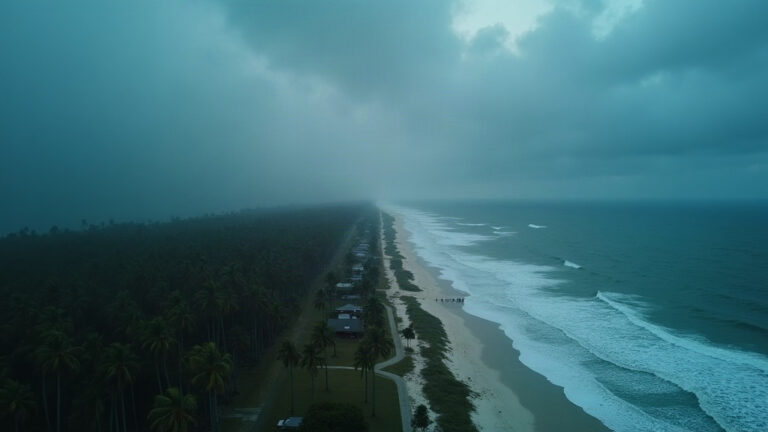
When Hurricane Ian slammed into Cape Coral on Oct. 31, 2026, downtown streets turned into rivers, power went out for days, and families scrambled for clean water and medical supplies. The event was a vivid reminder that flood risk is not abstract – it is measurable, predictable, and, most importantly, manageable. By decoding the NOAA flood‑zone maps that guided emergency responders, you can translate the same data into a concrete, 72‑hour readiness plan for your own home.
Your county's real disaster history, what to do first, and what to keep at home. Free, and it shows up right here.
🔒 We never sell your email. Unsubscribe in one click.
1. Decoding NOAA Flood Zones: What the Maps Are Saying
NOAA’s Flood Map Service Center classifies land into zones such as A (high‑risk floodplain), AE (areas with documented base flood elevations), and V (coastal storm‑surge zones). Cape Coral sits primarily in zones AE and V, meaning both riverine flooding and storm surge are realistic threats.
To find your zone, enter your address on the FEMA map viewer. Note the “Base Flood Elevation” (BFE) – the height that water is expected to reach in a 1‑percent‑annual‑chance event. If your first floor is within 3 feet of the BFE, you are in the most vulnerable bracket. This is the data point that will drive every other decision in your preparedness checklist.
2. Harden Your Home Before the Storm Arrives
Once you know your BFE, start hardening the envelope of your house. The most vulnerable parts are usually:
- Openings below BFE: doors, windows, garage doors, and utility penetrations.
- Roof connections: especially in older homes without hurricane straps.
- Exterior walls that lack flood‑resistant sheathing.
Key upgrades include:
- Storm shutters or impact‑resistant glass on all ground‑level windows. They reduce wind pressure and keep water from entering.
- Garage‑door bracing kits – a $30–$80 investment that prevents the door from buckling under surge pressure.
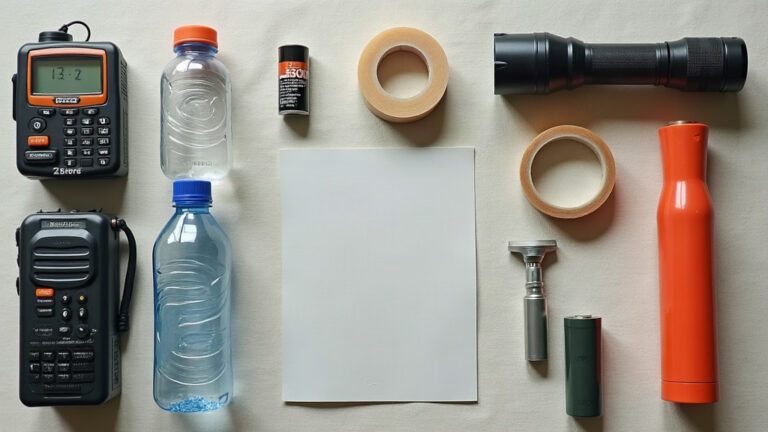
- Seal wall openings with waterproof tape, flood panels, or removable flood doors. Prioritize any vent, utility inlet, or crawl‑space hatch.
- Trim overhanging trees and secure outdoor furniture to eliminate debris that can become projectiles.
These steps are low‑cost, high‑impact, and can be completed well before the first gust of the season.
3. Build a 72‑Hour Go‑Kit and Supply Cache
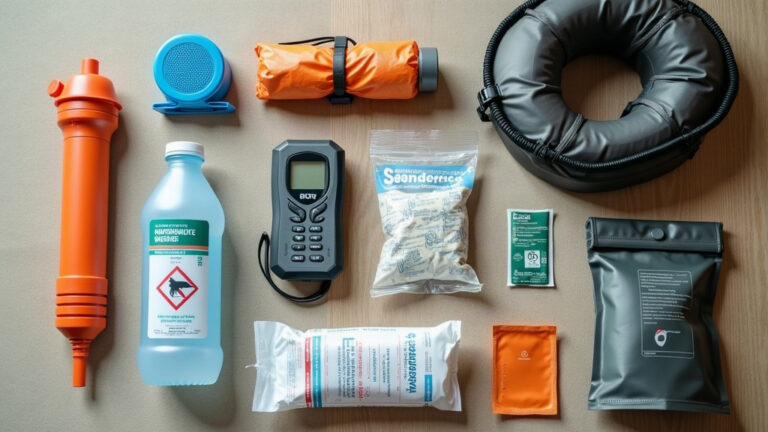
FEMA recommends a minimum of three days of food, water, and medication per person. In practice, aim for five days of water (one gallon per person per day) and a two‑week supply of non‑perishable food. Pack a sturdy, waterproof container with:
- Ready‑to‑eat meals (MREs, canned beans, peanut butter).
- Manual can opener, multi‑tool, and portable stove.
- Prescription meds, over‑the‑counter pain relievers, and a basic first‑aid kit.
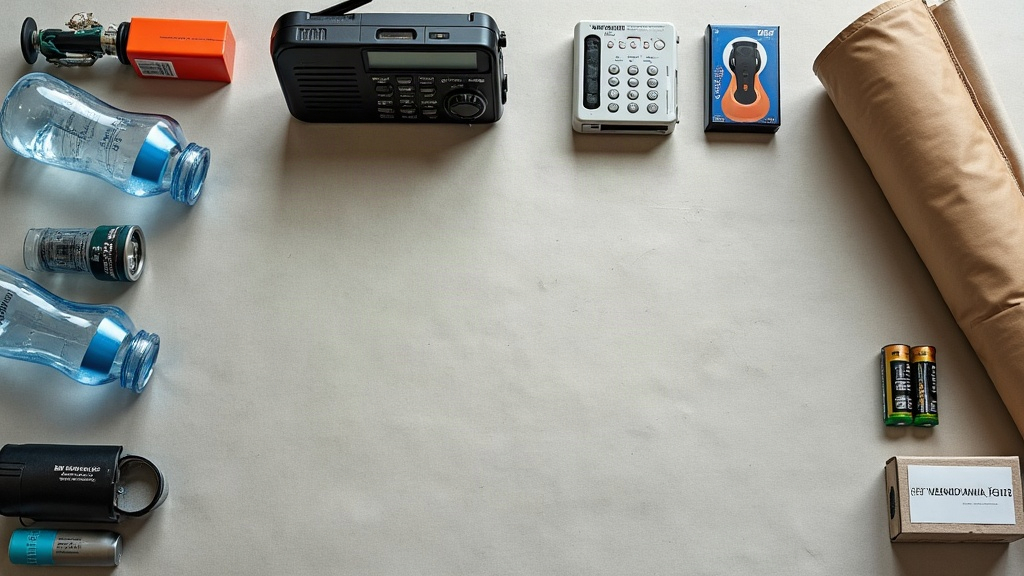
- Battery‑powered radio, flashlights, extra batteries, and a solar charger.
- Copies of critical documents (insurance policies, deeds, birth certificates) stored in a waterproof zip‑lock bag and backed up digitally on an encrypted USB drive.
Because floodwater can contaminate municipal supplies, a reliable source of clean water is essential.
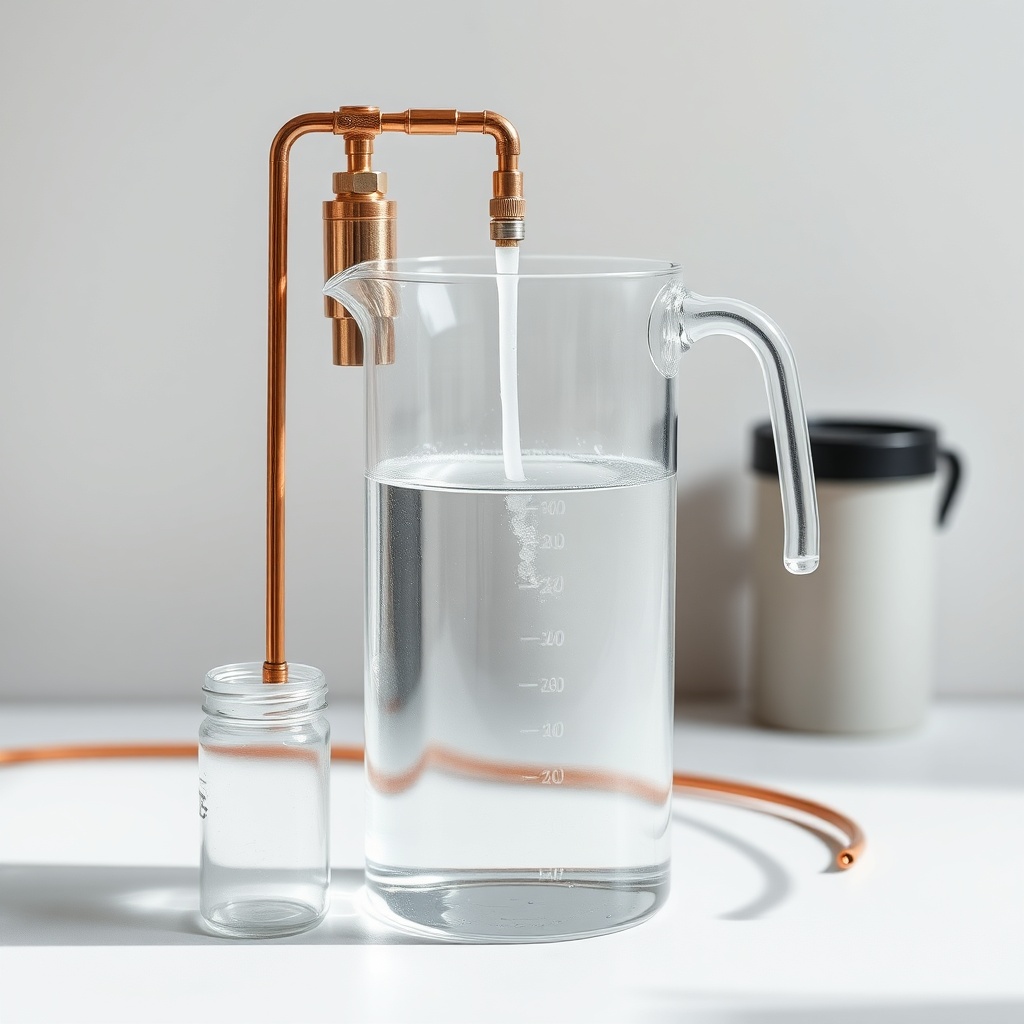
📦 Recommended: Water Freedom System
When floodwater contaminates tap supplies, this portable filtration unit produces up to 1,000 gallons of clean water per day – a lifesaver for any 72‑hour kit.
Store your water containers on an elevated platform to keep them out of reach of floodwater. Rotate supplies every six months to maintain freshness.
4. Family Evacuation and Communication Plan
Even with a fortified home, evacuation may be the safest option if the National Hurricane Center (NHC) issues a mandatory evacuation for your zone. Follow these steps:
- Identify two evacuation routes – one primary, one alternate – using both major highways and local roads that stay above the projected surge line.
- Choose a meeting point outside the flood zone (e.g., a relative’s house or a community shelter).
- Establish a communication tree: designate a family “hub” (a phone number or group chat) and assign an out‑of‑state contact who can relay information.
- Pack a “go‑bag” with clothing, personal IDs, and the go‑kit items listed above. Keep it in the car.
If local officials advise “shelter‑in‑place,” seal all openings, move valuables to the highest floor, and turn on your emergency lights.
5. Insurance, Documentation, and Ongoing Maintenance
Standard homeowners insurance covers wind damage but typically excludes flood damage. Verify that you have a separate flood policy through the National Flood Insurance Program (NFIP) or a private carrier. Review your policy annually and confirm the coverage limit exceeds the replacement cost of your home’s contents.
Protecting documents is as critical as protecting walls. Scan insurance policies, deeds, and birth certificates to a secure cloud service (e.g., Google Drive with two‑factor authentication) and store a physical copy in a waterproof, fire‑rated safe.
Finally, schedule a semi‑annual walk‑through of your property:
- Check that shutters operate smoothly.
- Inspect garage‑door bracing for corrosion.
- Re‑seal any wall penetrations that show wear.
- Trim any new tree growth that could become hazardous.
📦 Recommended: Home Doctor
If emergency services are delayed, this comprehensive medical guide helps you treat common injuries and illnesses safely at home.
Having quick‑reference medical information can be the difference between a minor cut and a serious infection when floodwaters limit access to clinics.
What to Do Next: Your 5‑Step Checklist
- Check your NOAA flood zone and record the BFE for your property.
- Install storm shutters, impact glass, or board up windows; brace garage doors.
- Assemble a 72‑hour go‑kit with water, food, meds, and waterproofed documents.
- Develop and practice an evacuation route and communication plan.
- Secure a flood insurance policy and schedule semi‑annual home hardening inspections.
Get real disaster prep — decoded from FEMA, NOAA & USGS.
One short email when something actually matters for your zip code. No spam, ever.