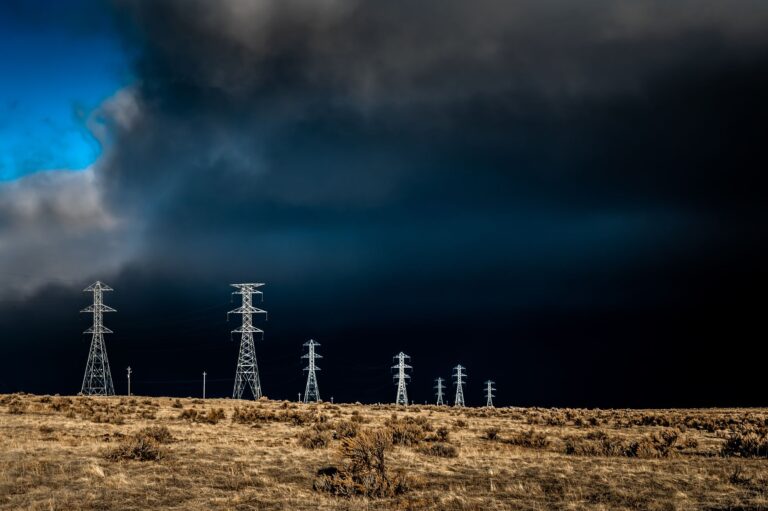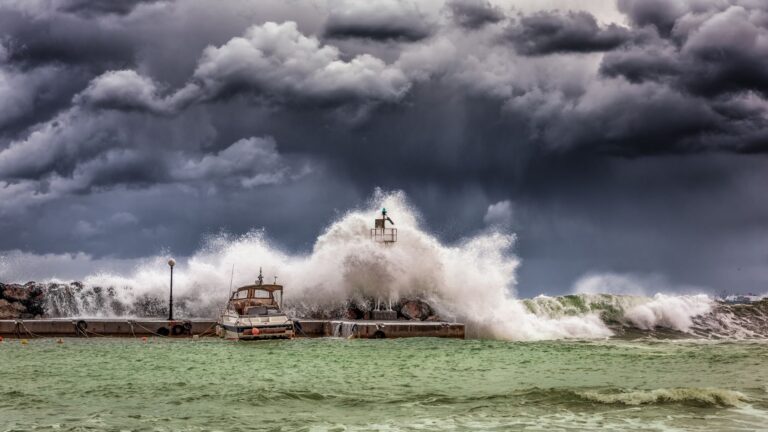

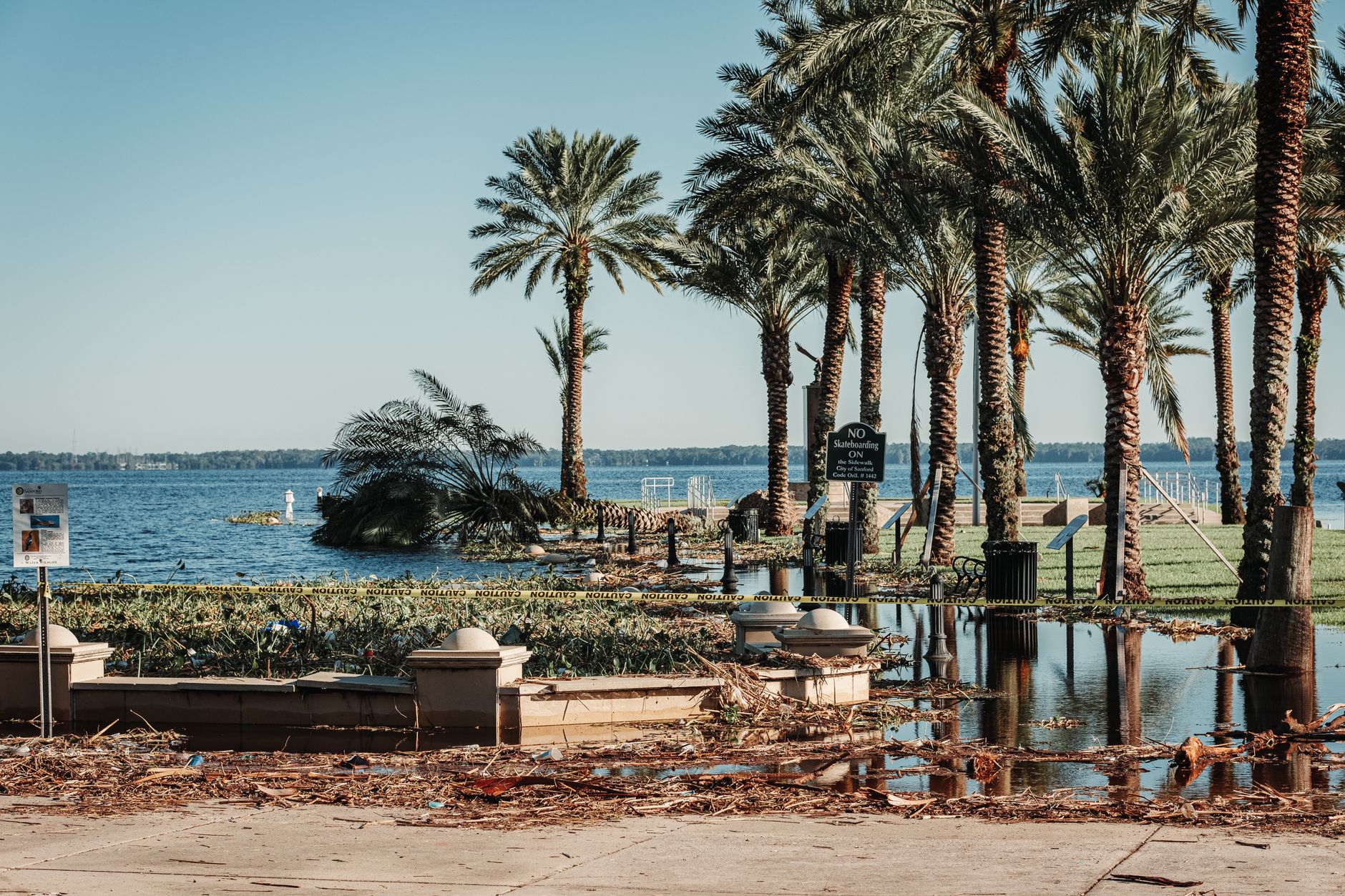
A “mild” hurricane season forecast can be helpful for planning, but it should never be taken as permission to relax. For homeowners, the right takeaway is simple: forecasts describe the season as a whole, not the storm that may form near your home. One landfalling hurricane, one prolonged outage, or one contaminated water supply can turn a normal week into a difficult 72-hour stretch. That is why USRR’s position remains consistent: every household needs a ready, realistic hurricane plan that works even when the season looks quiet on paper. Our Hurricane Preparedness guide covers what that plan should include.
Your county's real disaster history, what to do first, and what to keep at home. Free, and it shows up right here.
🔒 We never sell your email. Unsubscribe in one click.
Why a mild forecast still requires full readiness
Seasonal hurricane outlooks from NOAA and other forecasters are based on conditions such as sea surface temperatures, wind patterns, and atmospheric pressure. Those outlooks can help emergency managers prepare, but they do not change the fact that hurricanes are localized events. A quieter season may mean fewer storms overall, yet it does not reduce the impact of the first one that actually reaches your area.
For homeowners, the most important question is not “How active will the season be?” It is “Can my household stay safe and functional for 72 hours if power, water, cell service, or access to stores is interrupted?” That is the standard you should plan around.
According to FEMA’s preparedness guidance, the first 72 hours after a disaster are often the most disruptive because services may be delayed, roads may be blocked, and supply chains may be strained. That makes a compact, practical kit far more valuable than a large cache of items you cannot quickly find or use.
Decode the forecast, then plan for the real risk
Hurricane season predictions generally fall into three buckets: below-normal, near-normal, or above-normal. Those labels refer to the number and strength of storms expected across the Atlantic basin. They do not tell you whether your county will be spared. A single hurricane, tropical storm, or even a slow-moving tropical system can produce damaging wind, flash flooding, storm surge, and extended outages.
Here is how to interpret common agency information:
- NOAA outlooks indicate seasonal probability, not a specific strike path.
- National Hurricane Center advisories focus on current storm tracks, watches, warnings, and timing.
- USGS flood and storm-surge data help homeowners understand whether water, not wind, is the main threat in their area.
In practice, this means a “mild” forecast should be treated as a reminder to tighten your readiness, not postpone it. The households that recover best are the ones that prepared before the weather got serious.
Your 72-hour hurricane kit: the essentials that matter most
A strong hurricane kit should support three basics: hydration, communication, and short-term comfort. If you have these covered, you can ride out a disruption with much less stress.
- Water: at least one gallon per person per day for three days, plus extra for pets. Store sealed containers and rotate them regularly.
- Food: shelf-stable items that require little or no cooking, such as ready-to-eat meals, nut butters, crackers, fruit cups, and protein bars.
- Power: a fully charged power bank for phones, backup charging cables, and a battery lantern or flashlight with spare batteries.
- Documents: copies of insurance policies, ID, prescriptions, and emergency contacts in a waterproof pouch.
- First aid: bandages, antiseptic wipes, gloves, pain reliever, and any prescription medications.
- Sanitation: trash bags, moist wipes, hand sanitizer, and a plan for safe toilet use if water service fails.
Do not overlook comfort items that improve decision-making under stress: a portable radio, pet supplies, a whistle, and cash in small bills. If the power is out, card readers and ATMs may not work when you need them.
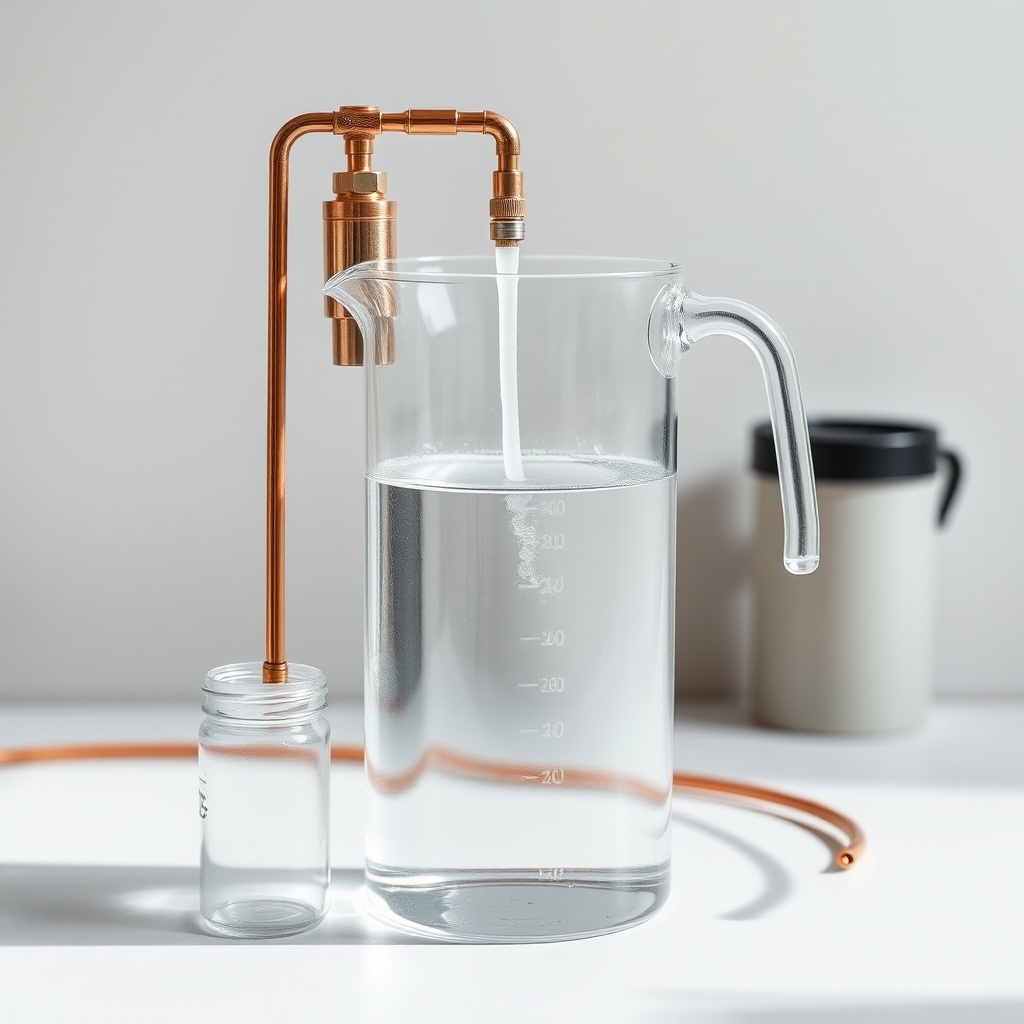
For households that want a simple system for backup drinking water, the Water Freedom System can be a practical addition when storm conditions threaten local water quality or access. Hurricanes can overwhelm treatment systems, flood wells, and leave families without reliable tap water for days.
📦 Recommended: Water Freedom System
When hurricanes disrupt municipal water or contaminate private wells, a backup way to produce safe water can make a 72-hour plan far more resilient. This is especially useful for families in flood-prone coastal and inland areas.
Common gaps homeowners overlook before a hurricane
Many families have some supplies, but the weakness is usually in the details. The most common gaps we see are not dramatic; they are practical.
- Dead batteries and uncharged devices: test flashlights, radios, and power banks before storm season peaks.
- No way to keep food safe: know which items can stay unrefrigerated and how long your freezer may hold food if the power goes out.
- Medication shortages: refill prescriptions early and keep copies of dosage instructions.
- Not enough fuel: if you rely on a generator or vehicle evacuation, plan ahead for safe fuel storage.
- Unclear family roles: decide who checks on children, older relatives, pets, and neighbors.
One often-overlooked issue is household health when roads are blocked and clinics are overwhelmed. Minor cuts, stomach issues, dehydration, and medication questions can become much more complicated when urgent care is delayed. Having a basic at-home medical reference can help you manage small problems safely until services reopen.
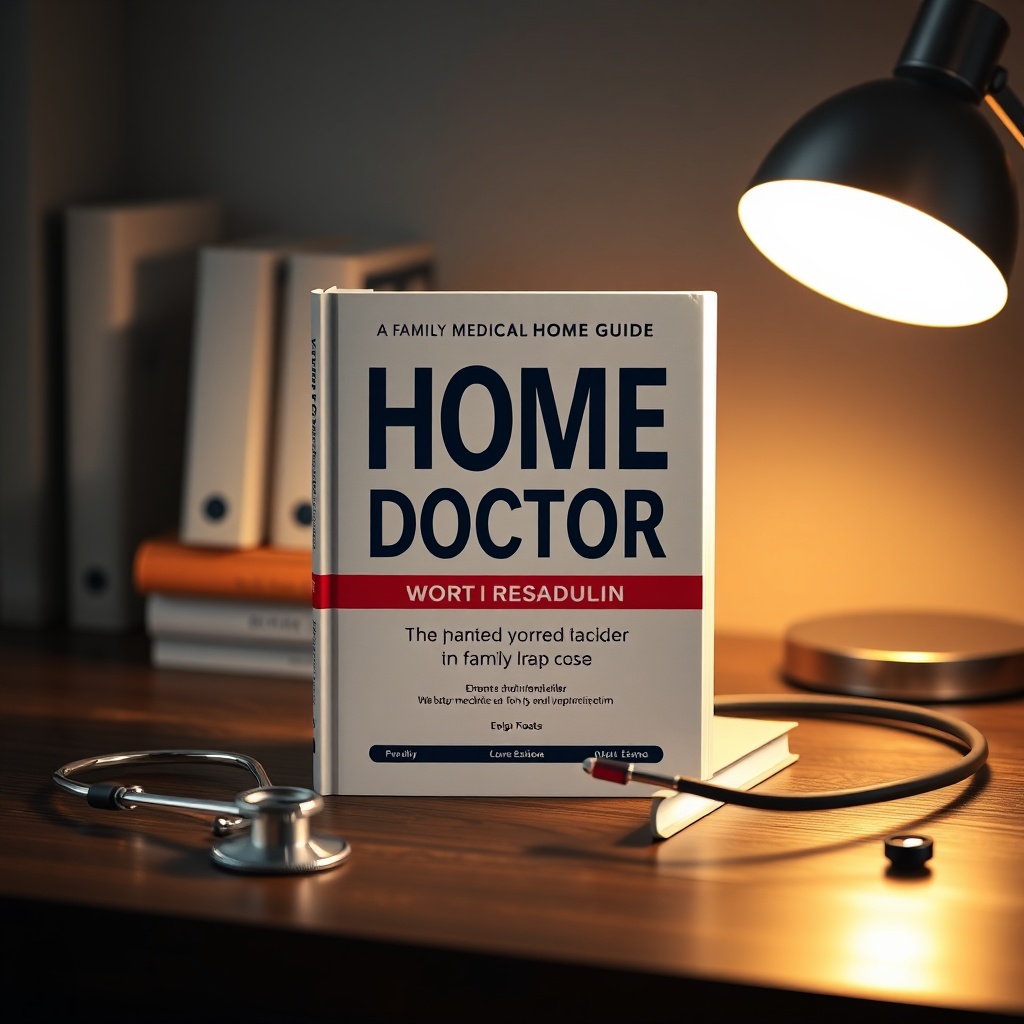
📦 Recommended: Home Doctor
If a hurricane leaves you without quick access to a pharmacy or urgent care, a practical home medical guide can help you handle common injuries and illnesses while you wait out the disruption.
Build a 72-hour hurricane plan you can actually use
A good plan should be simple enough to execute under pressure. If your household has a written plan, you will make better decisions when warnings arrive.
- Know your evacuation zone: confirm whether you live in a flood-prone or surge-prone area.
- Set a communication tree: choose one out-of-state contact everyone can text or call.
- Identify your safe room: pick an interior space away from windows for high winds.
- Protect documents: store copies digitally and in a sealed folder.
- Practice once: walk through where supplies are kept and who grabs what if you need to leave.
It is also wise to treat power loss as a likely scenario, not a remote one. Hurricanes routinely disrupt electric service through downed lines, flooding, and utility damage. If your household depends on devices, refrigerated medication, or a garage door opener, you need a backup power and charging plan. A simple, reliable approach can keep phones alive, lights on, and essential devices working long enough to make decisions safely.
What to do next
Use this checklist to finish or update your readiness today:
- Inventory your 72-hour supplies and replace expired food, batteries, and medications.
- Charge power banks and test flashlights, radios, and backup lighting.
- Fill water containers and add a contingency for drinking water if tap service is interrupted.
- Review your evacuation route, storm-safe room, and family communication plan.
- Save emergency contacts, insurance records, and local NOAA/NHC information in one easy-to-access place.
Bottom line: a mild hurricane forecast may reduce seasonal anxiety, but it should not change your household standard. The goal is not to predict the exact storm months in advance. The goal is to be ready for the first 72 hours, because that is when preparation matters most.
Get real disaster prep, decoded from FEMA, NOAA & USGS.
One short email when something actually matters for your zip code. No spam, ever.