

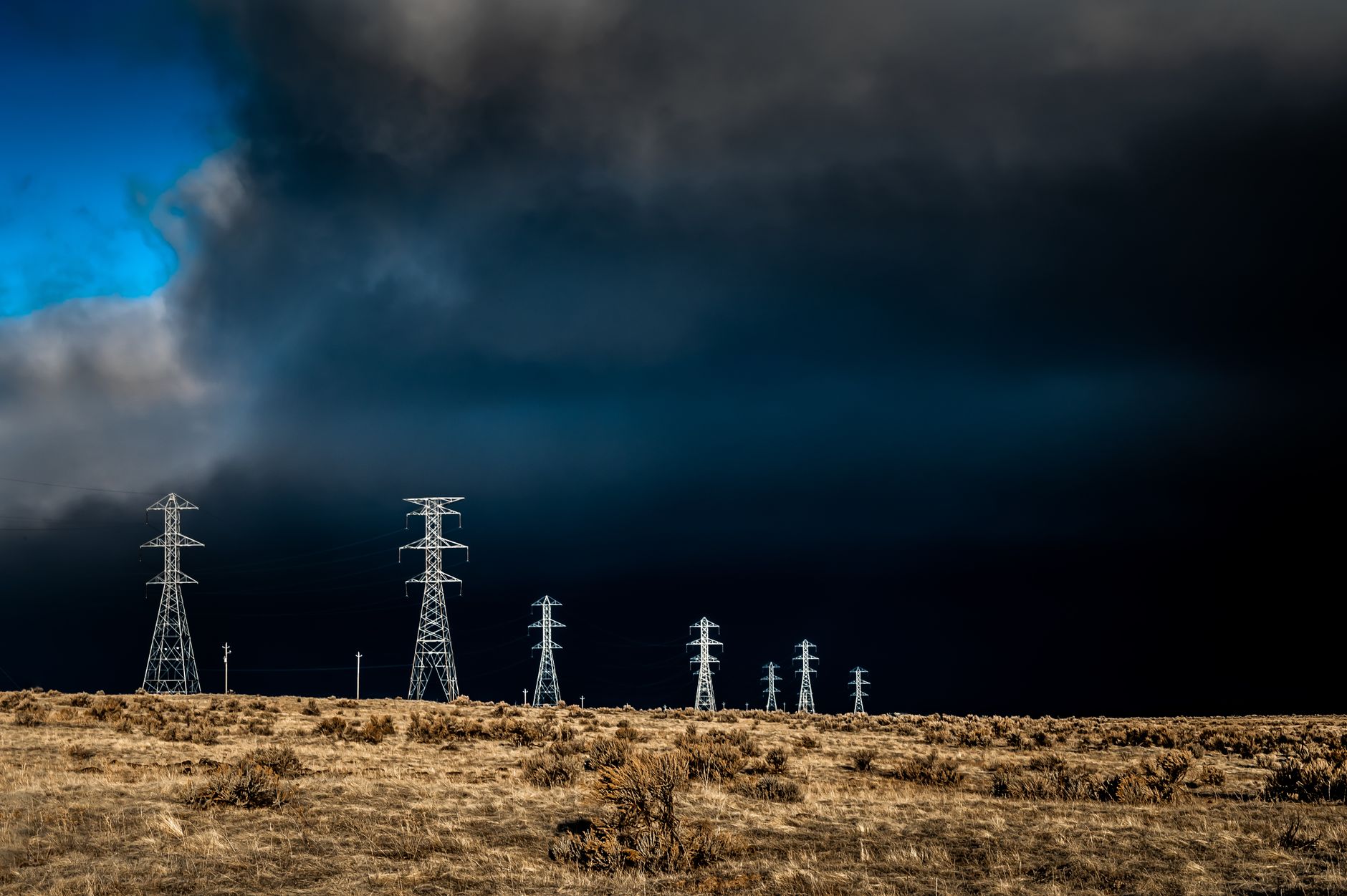
TVA’s rate review: what homeowners should understand
The Tennessee Valley Authority’s discussion of possible rate changes is not a disaster headline, but it is a useful reminder: the power system is changing, and households should prepare accordingly. TVA says it is evaluating ways to keep the grid stable as demand grows, including pressure from data centers and other large users. For homeowners, that means the conversation is less about politics and more about resilience, cost, and whether your home can ride through a short outage without stress. Our Power Outage Preparedness guide covers the household side of that resilience question.
Your county's real disaster history, what to do first, and what to keep at home. Free, and it shows up right here.
🔒 We never sell your email. Unsubscribe in one click.
USRR’s advice is simple: don’t wait for a utility notice to think about power readiness. A solid 72-hour plan helps your family stay safe during a brief outage, planned maintenance, severe weather, or a local equipment problem. If your home relies on electricity for refrigeration, medication, communication, garage access, well water, or medical equipment, even a few hours without power can become a major inconvenience.
Rate changes also deserve a practical lens. Utility pricing can shift to support infrastructure, generation, transmission, or demand management. That does not automatically mean outages are coming. But it does mean the grid is under more strain than many households realize, and it is smart to prepare for the possibility that service interruptions may happen from time to time.
What grid stability means in plain English
“Grid stability” refers to the utility’s ability to balance electricity supply and demand at every moment. When more power users come online, especially large facilities with constant loads, the grid operator must make sure it can still deliver reliable service without sagging voltage or system stress. If a utility like TVA is discussing rate changes in that context, it is signaling that the system may need additional investment or demand management tools to remain reliable.
For the average homeowner, the key takeaway is not technical detail. It is this: your household should be ready to function for at least 72 hours if power is interrupted. That includes having lighting, cold storage, phone charging, food safety tools, and a plan for heating or cooling depending on the season.
FEMA and ready-state guidance consistently emphasize self-sufficiency for short emergencies. That does not mean living off-grid. It means being able to maintain comfort and safety until power returns or conditions improve.
Build a 72-hour home power plan
Start with the basics. A good 72-hour plan is less expensive and easier to build than many families think, especially if you layer it over items you already own.
- Water: Store one gallon per person per day, plus extra for pets.
- Food: Keep shelf-stable meals that require little or no cooking.
- Lighting: Use flashlights or headlamps instead of candles.
- Power: Keep phones, battery packs, and backup chargers ready.
- Cold storage: Know how long your fridge and freezer stay safe if unopened.
- Medical needs: Protect any device or medication that requires power or refrigeration.
One of the most overlooked steps is making a home power map. Write down what must stay powered during an outage, in order of priority. For example: refrigerator first, phone charger second, then a fan, then a small light source. If you have a generator or battery station, this list helps you avoid wasting power on nonessential items.
Also identify how your home behaves when the power goes out. Do you have a well pump? An electric garage door? A gas furnace with electric ignition? Knowing these details ahead of time prevents surprises.
📦 Recommended: Blackout Protocol
If you want a step-by-step home power plan for outages that last beyond a few hours, this resource is built for that exact problem. It can help you organize backup power, food, lighting, and communications before the next interruption.
Protect the essentials before you need them
Power readiness is partly about equipment, but it is mostly about habits. Charge all portable batteries now, not when the storm is approaching. Keep at least one flashlight in each bedroom and near the kitchen. Label your circuit breaker panel so you can quickly identify key loads. If you rely on a medical device or refrigerated medicine, confirm the backup plan with your provider before an outage occurs.
Think about temperature management too. In summer, a battery fan, window shades, and a cool room can make a significant difference. In winter, layered clothing, insulated blankets, and a safe indoor plan for warmth are essential. Never use a generator, grill, or fuel-burning appliance indoors or in a garage. Carbon monoxide is a real hazard during outages and is entirely preventable with proper placement and detectors.
For households with home offices, internet-dependent work, or school devices, consider whether a small battery station or uninterruptible power supply is enough to bridge short interruptions. Even modest backup power can keep a router, phone, and one light operating while you decide next steps.
When rate changes may affect your household budget
While TVA’s discussion is centered on grid reliability, rate changes can still affect household planning. A small increase in monthly utility costs can matter over a year, especially if your budget is already tight. The practical response is not alarm, but discipline.
Look for the easiest ways to reduce waste: seal drafty windows, replace inefficient bulbs, clean HVAC filters, and shift nonessential appliance use away from peak times if your provider offers time-based pricing. These steps improve comfort, lower energy use, and make an outage plan easier to support because your essential loads are smaller.
If you are thinking beyond a short outage, it may also make sense to consider surge protection and backup power conditioning. Sensitive electronics are vulnerable to voltage swings when the grid is stressed or when service is restored. A layered plan can reduce the odds of losing a router, computer, or home entertainment equipment to a bad reconnection event.
📦 Recommended: The Grid Phantom
If your biggest concern is protecting electronics and critical devices from power swings during grid stress or restoration, this is the kind of resource to review. It fits well for homeowners who want extra confidence around sensitive equipment.
What to do next
- Inventory your essentials: water, food, medications, flashlights, batteries, and chargers.
- Map your power priorities: identify what must run first during an outage.
- Test your backup gear: charge batteries, check flashlights, and confirm generator safety.
- Review home risks: garage access, sump pumps, well pumps, medical devices, and refrigeration.
- Set a 72-hour goal: make sure your household can function comfortably for three days without grid power.
Get real disaster prep, decoded from FEMA, NOAA & USGS.
One short email when something actually matters for your zip code. No spam, ever.