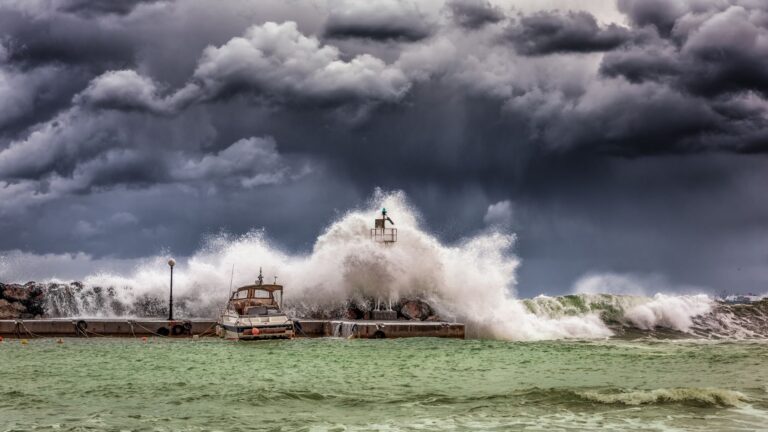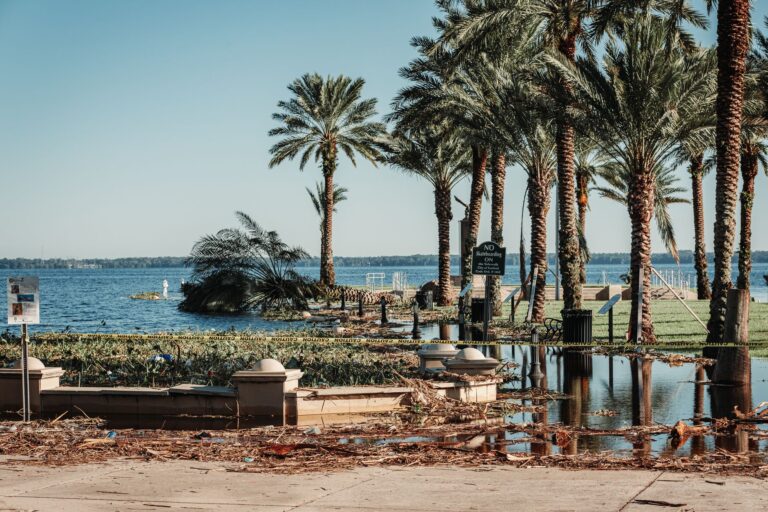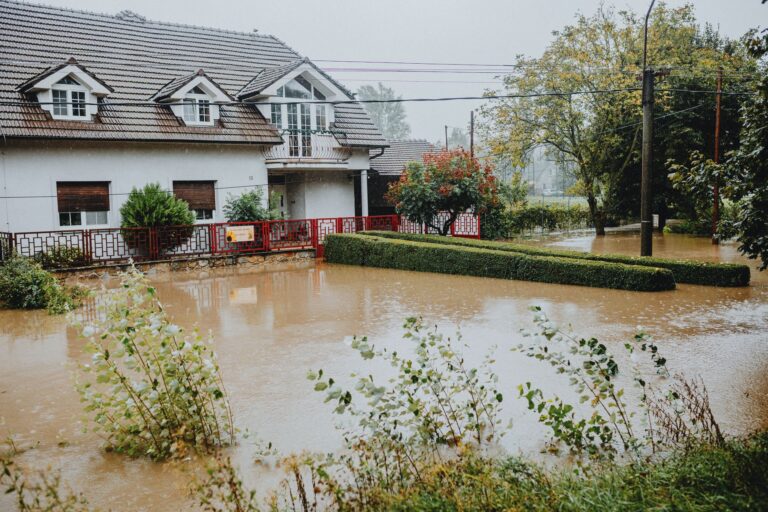


Hurricane season has officially begun, and FEMA’s message is simple: don’t wait until a storm is named to get ready. For homeowners, the most practical goal is not to stockpile for weeks, it is to be self-sufficient for the first 72 hours after impact. That window often covers power outages, delayed deliveries, crowded roads, and the first round of local emergency response. In other words, your family’s comfort and safety may depend on what you do before the forecast turns serious.
Your county's real disaster history, what to do first, and what to keep at home. Free, and it shows up right here.
🔒 We never sell your email. Unsubscribe in one click.
FEMA’s coordination with NOAA’s National Hurricane Center is a reminder that preparedness is built on timing. NOAA tracks storm development and forecast confidence; FEMA helps states and communities organize response. For you, the homeowner, the action item is straightforward: translate official alerts into a ready home, a clear evacuation decision, and a compact supply plan that works even if utilities fail.
What FEMA’s “ready now” message means for homeowners
When FEMA says it stands ready to support states, territories, Tribal Nations, and local governments, that does not mean every neighborhood will be fully served immediately after landfall. It means federal support is part of a larger response system. Your household still needs to be able to function on its own at the start of an emergency.
For a homeowner, that means three priorities:
- Water and food: enough for 3 days without store access or safe tap water.
- Power and communications: lights, charging, radio access, and a plan for outages.
- Exit readiness: a decision point for evacuation, plus documents and essentials packed in advance.
If you live in a hurricane-prone area, build your plan around the most common early impacts: power loss, road closures, roof or window damage, and contaminated water. Those are the problems that turn a watch into a household disruption fast.
Decode the alerts: watch, warning, and forecast cones
Hurricane preparedness works best when you understand the language used by NOAA and emergency managers. A hurricane watch means hurricane conditions are possible in your area, usually within about 48 hours. A hurricane warning means conditions are expected, typically within about 36 hours. That warning is the point when you should be finishing last-minute preparations or leaving if you’re in an evacuation zone.
Forecast maps and “cones” can also be misunderstood. The cone shows the likely path of the storm’s center, not the size of the storm’s impacts. Wind, rain, tornadoes, and surge can affect areas well outside the cone. For homeowners, the practical interpretation is simple: do not wait for your exact town to sit in the center line before you act.
USGS data often becomes important after storms because flooding, erosion, and landslides can change local conditions rapidly. If your area has poor drainage, steep slopes, or a history of water intrusion, plan for the possibility that roads and yards may remain unsafe even after the storm passes.
Your 72-hour hurricane checklist
Think in categories, not chaos. Your goal is to make your house work without the grid, without stores, and without guesswork.
1) Water and food
- Store at least one gallon of water per person per day for three days.
- Choose foods that require little or no cooking: shelf-stable meals, peanut butter, crackers, tuna, and ready-to-eat items.
- Include a manual can opener and disposable utensils.
2) Power and lighting
- Charge power banks, phones, tablets, and backup batteries before the storm.
- Keep flashlights in at least two rooms, plus extra batteries.
- Have a plan for refrigeration: know what food must be used first if the outage lasts more than a day.
3) Medications and first aid
- Keep a seven-day supply of prescription medications if possible.
- Restock over-the-counter basics: pain relievers, bandages, antiseptic, and any allergy or stomach remedies your household uses.
- Write down medication names and dosages in case you need to leave quickly.
4) Documents and communications
- Protect IDs, insurance cards, mortgage or lease documents, and emergency contacts in a waterproof folder.
- Take photos of your home’s interior and major belongings for insurance records.
- Designate one out-of-area contact for family updates.
5) Home and yard readiness
- Bring in outdoor furniture, trash bins, and loose items that can become projectiles.
- Clear gutters and drains if you can do so safely.
- Check shutters, window protection, and garage-door reinforcement before the season intensifies.

📦 Recommended: Blackout Protocol
Hurricanes commonly leave neighborhoods without power for days, not hours. A home power plan helps you organize charging, lighting, backup energy, and appliance priorities before the outage starts.
Evacuation decisions should be made before roads clog
One of the most important hurricane decisions is also the simplest: know when to go. If you live in a coastal evacuation zone, flood-prone neighborhood, mobile home, or low-lying area, your departure decision should be made early enough to avoid traffic and fuel shortages.
Before the storm season ramps up, identify:
- Your evacuation zone and primary route out of town.
- A backup route in case the main road is closed.
- A hotel, family home, or shelter option outside the danger area.
- How pets, medications, and vehicle fuel will be handled.
Do not assume you will “figure it out” once the warning is issued. In many hurricane events, the hardest part is not the storm itself, it is the compressed timeline that follows the first advisory.
If evacuation seems possible for your area, keep one bag ready with clothing, chargers, cash, keys, medications, and copies of essential documents. The bag should be light enough to grab in seconds and complete enough to cover at least one night away from home.
After the storm: safe first steps at home
When conditions improve, safety still comes first. Avoid flooded roads and standing water, which may conceal hazards or electrical dangers. If your home took damage, be cautious around wet ceilings, compromised walls, and fallen lines. Report downed power lines to the utility and keep everyone away until cleared.
Check food safety before you eat. If the refrigerator has been without power for an extended period, use common-sense guidance: when in doubt, throw it out. Keep the freezer closed as much as possible. If you use a generator, run it outdoors and away from doors, windows, and vents to reduce carbon monoxide risk.
📦 Recommended: Water Freedom System
Hurricanes can contaminate local water supplies and interrupt deliveries right when demand spikes. A clean-water backup plan gives your household an added layer of resilience during boil-water notices or service outages.
Also remember that many storm injuries are treated at home first. Minor cuts, sprains, and skin irritations can become more complicated when urgent care is closed or overloaded. A compact first-aid setup, plus clear instructions for the medications you already use, helps reduce unnecessary exposure to crowded facilities.
What to do next
- Build the 72-hour kit today: water, shelf-stable food, lights, batteries, first aid, and documents.
- Confirm your evacuation route: know where you will go and how you will get there before a warning is issued.
- Protect your home: secure outdoor items, check shutters, and review insurance photos and records.
- Test your power plan: charge devices, stage backups, and decide what matters most if outages last several days.
- Monitor official sources: follow NOAA and local emergency management for watches, warnings, and evacuation instructions.
Get real disaster prep, decoded from FEMA, NOAA & USGS.
One short email when something actually matters for your zip code. No spam, ever.