
When a hurricane threatens the coast, wind gets the headlines, but water causes much of the damage. Storm surge is the abnormal rise of seawater pushed inland by a storm, and it can flood roads, homes, and entire neighborhoods long before the worst wind arrives. For homeowners, the key is not to memorize every hurricane category. It is to understand what NOAA’s surge maps mean for your address, when to leave, and how to prepare a simple 72-hour plan that protects your family and property. Our Hurricane Preparedness guide covers that broader plan beyond surge risk alone.
Your county's real disaster history, what to do first, and what to keep at home. Free, and it shows up right here.
🔒 We never sell your email. Unsubscribe in one click.
USRiskRadar’s goal is straightforward: help you turn public data into practical decisions. If your home is in a coastal, bayfront, tidal, or low-lying area, storm surge should be part of every hurricane plan. Even if you are several miles from the shoreline, surge can travel up rivers, inlets, and drainage systems. The good news: with the right information, you can make clear choices early.
What storm surge actually is, and why it is so dangerous
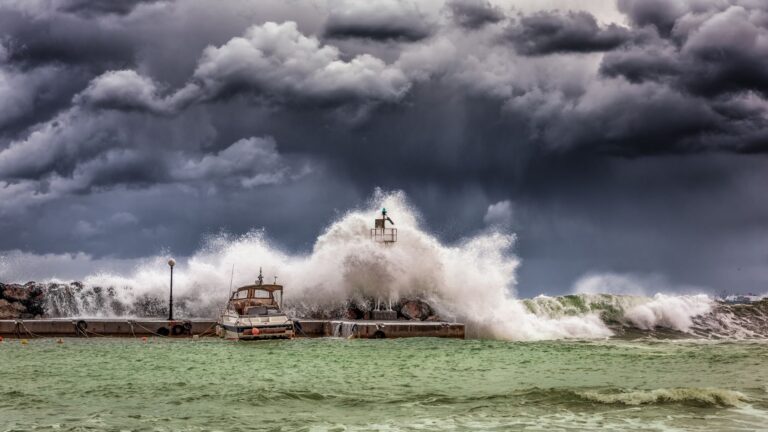
Storm surge is not normal high tide. It is the pile-up of water that happens when hurricane-force winds push ocean water toward land, while the storm’s low pressure helps the sea surface rise. The result can be a fast-moving wall or sheet of water that floods areas that do not usually flood. In some storms, surge travels farther inland than wind damage, making it the leading threat to life and property along the coast.
A few things make surge especially hazardous:
- It moves inland quickly. Water can rise before sunrise, during sleep, or while roads are still passable.
- It can cut off escape routes. Low bridges, causeways, and evacuation roads can flood early.
- It damages structures from the bottom up. Floodwater can ruin HVAC systems, electrical panels, appliances, flooring, and foundations.
- It is not always obvious. Surge can occur alongside rain-driven flooding, making depth and speed hard to judge.
If you remember one thing, remember this: storm surge is a water event, not just a wind event. That means your home’s elevation, nearby waterways, and evacuation zone matter as much as the forecast wind speed.
How to decode NOAA storm surge maps for your ZIP code
NOAA’s storm surge products are designed to show where water is likely to go if a hurricane approaches. The most useful tools are the storm surge watch/warning maps and the potential inundation maps. In simple terms, they help answer: How much water could reach my area? And when should I act?
Here is how to read them in practical terms:
- Find your exact location. ZIP code is a starting point, but your block, street, and elevation are what matter. Two homes in the same ZIP can face very different risk.
- Check the color shading. NOAA maps typically use color bands to show potential water depth above ground. Darker or higher-risk colors indicate more severe inundation potential.
- Look for timing information. Surge guidance often includes when flooding could begin relative to landfall. If water could arrive before the storm’s center reaches land, do not wait.
- Compare to evacuation zones. Local emergency managers may issue zone-based evacuation orders that align with surge risk. If you live in an ordered zone, leave early.
- Understand uncertainty. A map is not a guarantee. It is a planning tool that shows potential outcomes, including worse-than-expected water levels.
USGS data can also help by showing elevation and coastal topography. Lower ground, flat terrain, and funnel-shaped bays can amplify surge impacts. If your property sits behind dunes, marshes, or a barrier island, treat the area as surge-prone even if it has not flooded before.
Rule of thumb: If a NOAA surge map shows water near your home, or if your local authorities place you in a storm surge evacuation zone, build your plan around leaving, not waiting to see what happens.
What to do when your home is in a surge-prone zone
Preparation for storm surge is not complicated, but it does need to be done early. Once evacuation orders are issued, stores are crowded, traffic slows, and utility problems can spread quickly. The most effective plan is made well before hurricane season peaks.
Start with these homeowner priorities:
- Know your route. Identify at least two evacuation routes in case one floods or backs up.
- Keep the car ready. Maintain fuel above half a tank during hurricane season.
- Move valuables up high. Place documents, electronics, medications, and keepsakes on upper floors or elevated shelves.
- Protect utilities. Know how to shut off electricity, gas, and water if instructed by local officials.
- Use sandbags correctly. Sandbags help with shallow water and doorway protection, but they do not stop major surge.
For families who want a safer backup plan during long power disruptions after a storm, a home power strategy matters just as much as evacuation planning.

📦 Recommended: Blackout Protocol
Hurricanes often leave neighborhoods without power for days, which means refrigeration, phone charging, lights, and communication all become harder. A simple backup power plan helps you stay functional after surge-related outages.
Build a 72-hour kit for a surge evacuation
A storm surge evacuation is easier when your family has a ready-to-grab kit. The goal is not to pack for a weeklong vacation. It is to cover the first 72 hours after leaving home or riding out temporary disruptions in a safer location.
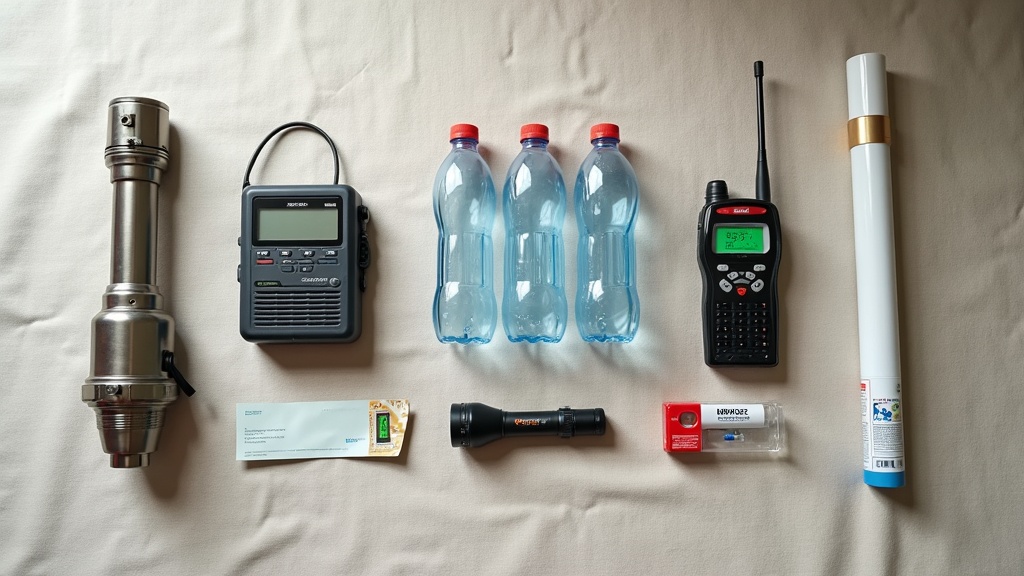
Your kit should include:
- Water: at least one gallon per person per day, plus extra for pets
- Food: shelf-stable meals and snacks that do not require cooking
- Medicines: a 72-hour supply if possible, plus copies of prescriptions
- Documents: IDs, insurance papers, home inventory photos, and emergency contacts
- Lighting: flashlights, spare batteries, and a power bank
- Clothing: dry clothes, rain gear, sturdy shoes, and a blanket
- Sanitation: wipes, trash bags, hand sanitizer, and basic toiletries
Because storm surge can contaminate public water and disrupt treatment systems, water planning deserves special attention. If you are sheltering elsewhere or returning after flooding, a reliable way to secure clean water can make recovery much easier.

📦 Recommended: Water Freedom System
Storm surge can flood wells, contaminate taps, and interrupt municipal treatment. A household water backup plan helps you stay self-sufficient during the first critical days after evacuation or return.
After the storm: return safely, not quickly
Many homeowners are tempted to go back as soon as the weather improves. With surge, that can be risky. Flooded roads may hide washouts, downed power lines, raw sewage, and unstable structures. Even if your home looks intact from the outside, water may have entered walls, outlets, insulation, or crawl spaces.
Before returning home, check local emergency updates and wait for clearance if your area was under evacuation. When you do return:
- Do not enter if the structure is visibly shifted, cracked, or surrounded by standing water.
- Wear protective shoes and gloves.
- Assume electrical systems are unsafe until inspected.
- Photograph damage before cleanup for insurance documentation.
- Dispose of soaked food, medicines, and porous materials that cannot be disinfected.
Medical issues also rise after hurricanes, especially when cleanup causes cuts, falls, infections, or heat stress. If your household includes older adults, children, or anyone with chronic conditions, having a basic home medical reference can reduce stress when urgent care is delayed.
What to do next
- Look up your NOAA storm surge map and compare it with your street address, not just your ZIP code.
- Check your evacuation zone with your county or city emergency management office.
- Pack or refresh your 72-hour kit this week, before watches and warnings appear.
- Write down your two evacuation routes and set a family meeting place inland.
- Review home insurance and flood coverage so you know what is protected before a storm arrives.
Get real disaster prep, decoded from FEMA, NOAA & USGS.
One short email when something actually matters for your zip code. No spam, ever.