
Last Updated: May 2026 | Based on FEMA, NOAA, and USGS data
Winter storm preparedness in Buffalo, NY, is a vital component of residency in the Great Lakes region, where lake-effect snow can accumulate rapidly and disrupt critical infrastructure. Effective preparation requires maintaining a multi-day emergency supply kit, ensuring home heating systems are serviced, and staying informed via official National Weather Service (NWS) alerts to navigate the city’s unique meteorological challenges.
Your county's real disaster history, what to do first, and what to keep at home. Free, and it shows up right here.
🔒 We never sell your email. Unsubscribe in one click.
For the complete cold-weather safety checklist, see our Winter Storm Preparedness guide.
How do I prepare my home for a Buffalo winter storm?
Preparing your home for winter in Buffalo involves mitigating the risks posed by heavy snow loads and sub-zero temperatures. First, ensure your heating system is inspected by a professional before the first freeze. Seal cracks in walls and windows with weather stripping to prevent heat loss, and insulate pipes to prevent freezing and bursting. According to FEMA, pipes in unheated spaces should be wrapped in insulation or heat tape. Additionally, keep a snow shovel and salt on hand, and ensure your roof is cleared of heavy ice dams if possible. Always have a secondary heat source, such as a wood stove or a backup generator, but never operate these indoors due to the risk of carbon monoxide poisoning.
What should be included in a Buffalo winter storm emergency kit?
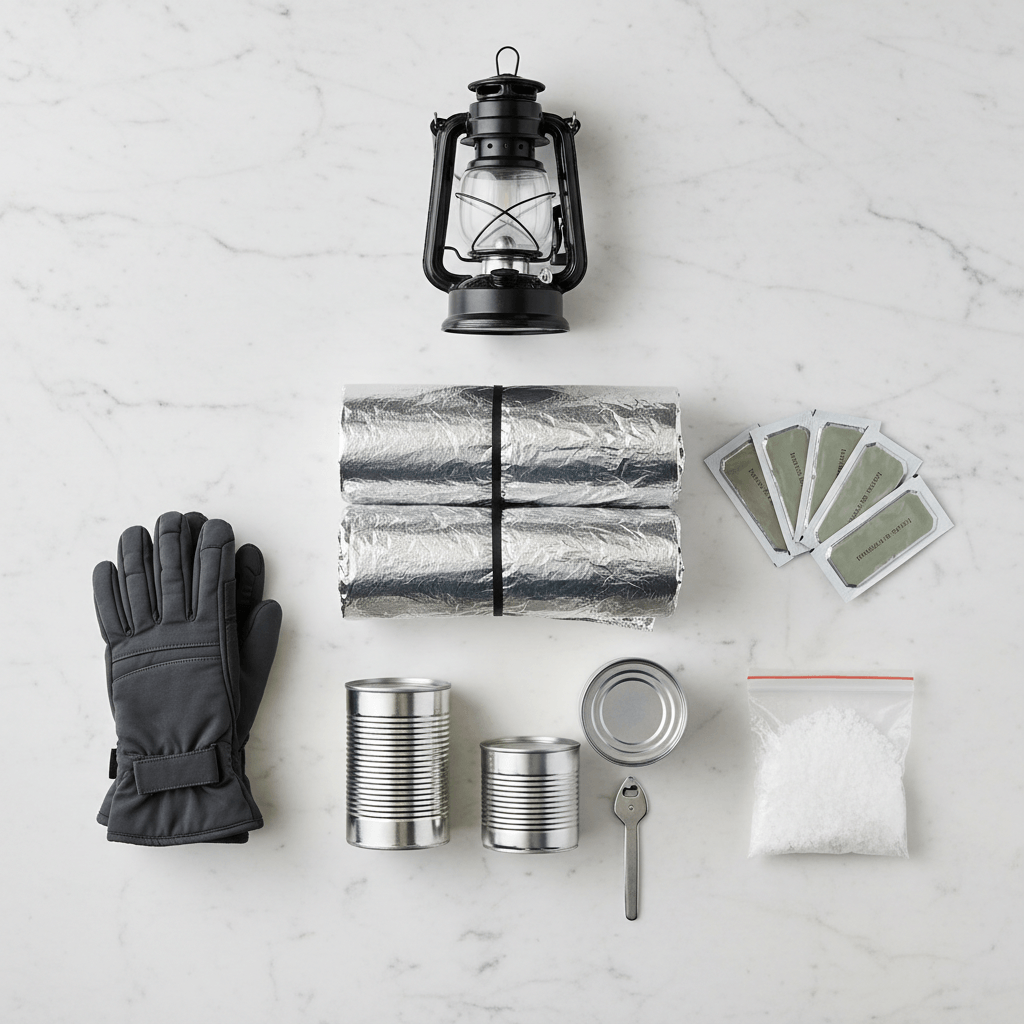
A comprehensive emergency kit for Buffalo should sustain your household for at least 72 hours. Your kit must include one gallon of water per person per day, non-perishable food items, and a manual can opener. Include a battery-powered or hand-crank radio to receive NOAA Weather Radio broadcasts, as cellular networks may become unreliable. Pack extra blankets, sleeping bags, and warm clothing layers. Essential medical supplies, including a first-aid kit and a seven-day supply of prescription medications, are non-negotiable. Don’t forget a flashlight with extra batteries, a whistle to signal for help, and a small toolkit. Keep these items in a portable, waterproof container that is easily accessible in your home.
How does lake-effect snow impact Buffalo emergency planning?
Lake-effect snow is a defining risk for Buffalo, occurring when cold air moves over the relatively warmer waters of Lake Erie. This phenomenon can produce narrow bands of intense snowfall, resulting in accumulation rates of several inches per hour. Unlike typical winter systems, lake-effect snow can create “whiteout” conditions that paralyze travel and strain municipal snow-clearing services. Because these storms can localize, neighborhoods in the same city may experience vastly different conditions. Residents should monitor local NWS Buffalo updates on weather.gov to determine if travel advisories are in effect, as these storms often render roads impassable for emergency vehicles.
What are the warning signs of hypothermia during a power outage?
Hypothermia occurs when your body loses heat faster than it can produce it, a significant danger during prolonged power outages in Buffalo. Warning signs include shivering, slurred speech, confusion, shallow breathing, and a weak pulse. If you suspect someone is suffering from hypothermia, move them to a warmer room, remove any wet clothing, and wrap them in dry blankets. Do not attempt to rewarm them rapidly with direct heat sources like heaters or fireplaces, as this can cause heart rhythm issues. Seek immediate medical attention if body temperature is below 95 degrees Fahrenheit. Keeping a supply of high-energy food and warm liquids can help maintain body heat while waiting for restoration of services.
How do I safely use a generator during a winter storm?
Generators are effective tools for maintaining power in Buffalo, but they pose significant safety risks if used incorrectly. Always operate generators outdoors, at least 20 feet away from windows, doors, and vents to prevent carbon monoxide from entering your living space. Never run a generator in a garage, basement, or partially enclosed area, even if windows are open. Install battery-operated carbon monoxide detectors on every level of your home. Before an emergency, ensure you have an adequate supply of fuel stored in approved containers and follow the manufacturer’s maintenance schedule. Never attempt to refuel a hot generator, as this creates a fire hazard.
What should I do if I am caught in a winter storm while driving in Buffalo?
If you must travel and encounter a winter storm, keep your gas tank as full as possible to prevent fuel line freezing and to provide a heat source if stranded. If you become stuck, stay with your vehicle; it serves as a temporary shelter and makes you easier to find for emergency services. Clear the exhaust pipe of any snow to prevent carbon monoxide buildup inside the cabin. Run the engine and heater for only 10 minutes every hour to conserve fuel. Keep a winter survival kit in your trunk, including jumper cables, sand or kitty litter for traction, a snow brush, and extra thermal clothing. Signal for help by hanging a bright cloth from your antenna or window.
How can I stay informed during extreme weather events?
Staying informed is the most effective way to minimize risk. Rely on official sources like the National Weather Service, which provides real-time alerts for Buffalo. Utilize a NOAA Weather Radio, which provides continuous, localized updates even when the power grid fails. Follow the City of Buffalo’s official social media channels and emergency management alerts. Avoid relying solely on social media rumors during an event; verify all information through government websites like FEMA.gov. Having a predetermined communication plan with family members is essential, especially if internet access is interrupted.
What are the risks of ice accumulation on power lines?
Ice accumulation, often associated with freezing rain, creates significant weight on power lines and tree branches, leading to widespread outages. In Buffalo, this can be particularly dangerous when combined with high winds. If you see downed power lines, stay at least 35 feet away and report them immediately to your local utility company. Never touch or attempt to move a downed line, as it could be energized even if there is no visible sparking. If a power line falls on your car while you are inside, stay in the vehicle until professional help arrives. If you must exit due to a fire, jump clear of the vehicle with both feet together and shuffle away without touching the car and the ground simultaneously.
Get real disaster prep, decoded from FEMA, NOAA & USGS.
One short email when something actually matters for your zip code. No spam, ever.