
Why Hurricane Rachel Matters Now
As Hurricane Rachel barrels toward the Atlantic coast, the National Hurricane Center (NHC) projects sustained winds of 115 mph, a storm surge of 8‑10 feet, and heavy rain that could exceed 10 inches in a 24‑hour window. FEMA’s latest advisory classifies the threat as “life‑threatening,” urging residents within the projected surge zone to finalize evacuation routes or secure shelter‑in‑place plans within the next 48 hours. Understanding the data—wind speed, surge height, and rain totals—helps you prioritize actions for the critical 72‑hour window before conditions become hazardous.
Your county's real disaster history, what to do first, and what to keep at home. Free, and it shows up right here.
🔒 We never sell your email. Unsubscribe in one click.
Hardening Your Home Before the Storm Hits
Fortifying the envelope of your house reduces wind damage and keeps water out. The most vulnerable parts are the roof, windows, and garage doors. Install storm shutters or impact‑resistant glass on all openings; a simple plywood panel, properly secured with hurricane straps, can also work. Reinforce garage doors with a bracing kit to prevent them from blowing in, which often creates a pathway for wind and water.
Outside, trim any dead or over‑grown branches that could become projectiles. Secure or move outdoor furniture, grills, and potted plants to a garage or sturdy storage area. Even a small lawn chair can become a deadly missile in 100‑mph gusts.
📦 Recommended: Home Doctor
A comprehensive digital guide for treating common injuries and illnesses when emergency responders are delayed by flooding or power outages.
Seal any exterior wall openings—vents, utility penetrations, and crawl‑space doors—with waterproof tape or foam. Install a temporary flood barrier (sandbags or commercial flood gates) around the lowest level of your home if you live within the surge zone. These steps buy you critical time while the storm passes.
Building a 72‑Hour Go‑Kit
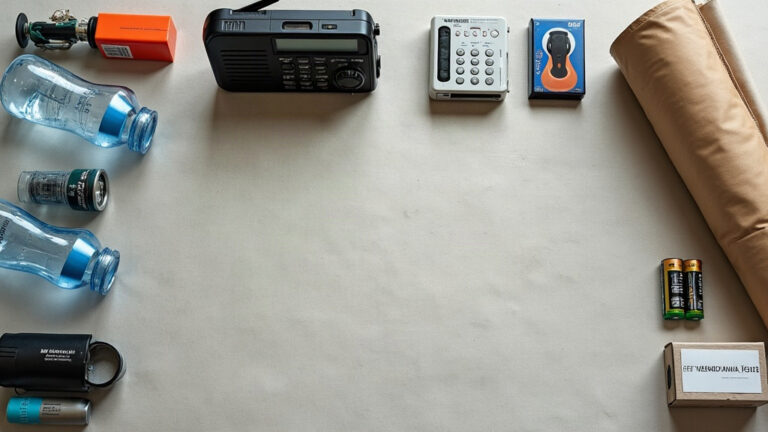
The cornerstone of any hurricane plan is a ready‑to‑grab emergency kit. Aim for a minimum of three days of supplies per person, but if space allows, extend water storage to five days. The Ready.gov recommendation of one gallon of water per person per day translates to 3 gallons (≈11 liters) for a 72‑hour window; consider a 5‑gallon container for added margin.
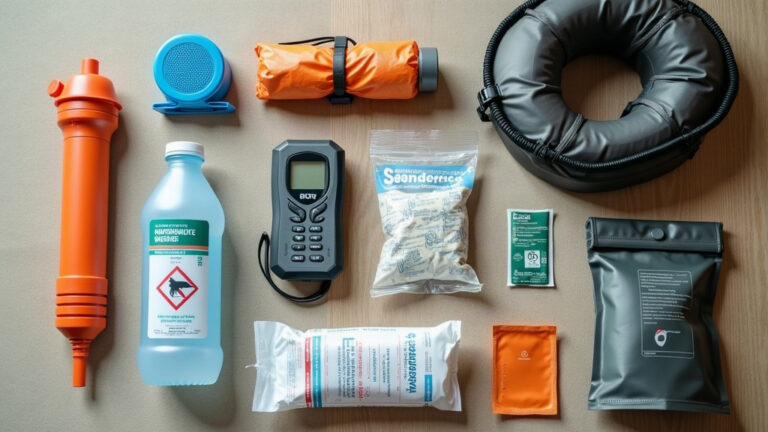
- Water: Store bottled water or use a portable filtration unit like the Water Freedom System to treat rainwater or contaminated tap water.
- Food: Pack non‑perishable, ready‑to‑eat meals that provide at least 2,000 calories per adult per day. Canned beans, tuna, energy bars, and dried fruit are ideal.
- Medicine & First‑Aid: Include prescription meds, a 30‑day supply of over‑the‑counter pain relievers, antihistamines, and a well‑stocked first‑aid kit. The Home Doctor guide can help you use these supplies effectively.
- Documents: Keep copies of insurance policies, deeds, birth certificates, and medical records in a waterproof, fire‑resistant container. Also upload digital scans to a secure cloud service for backup.
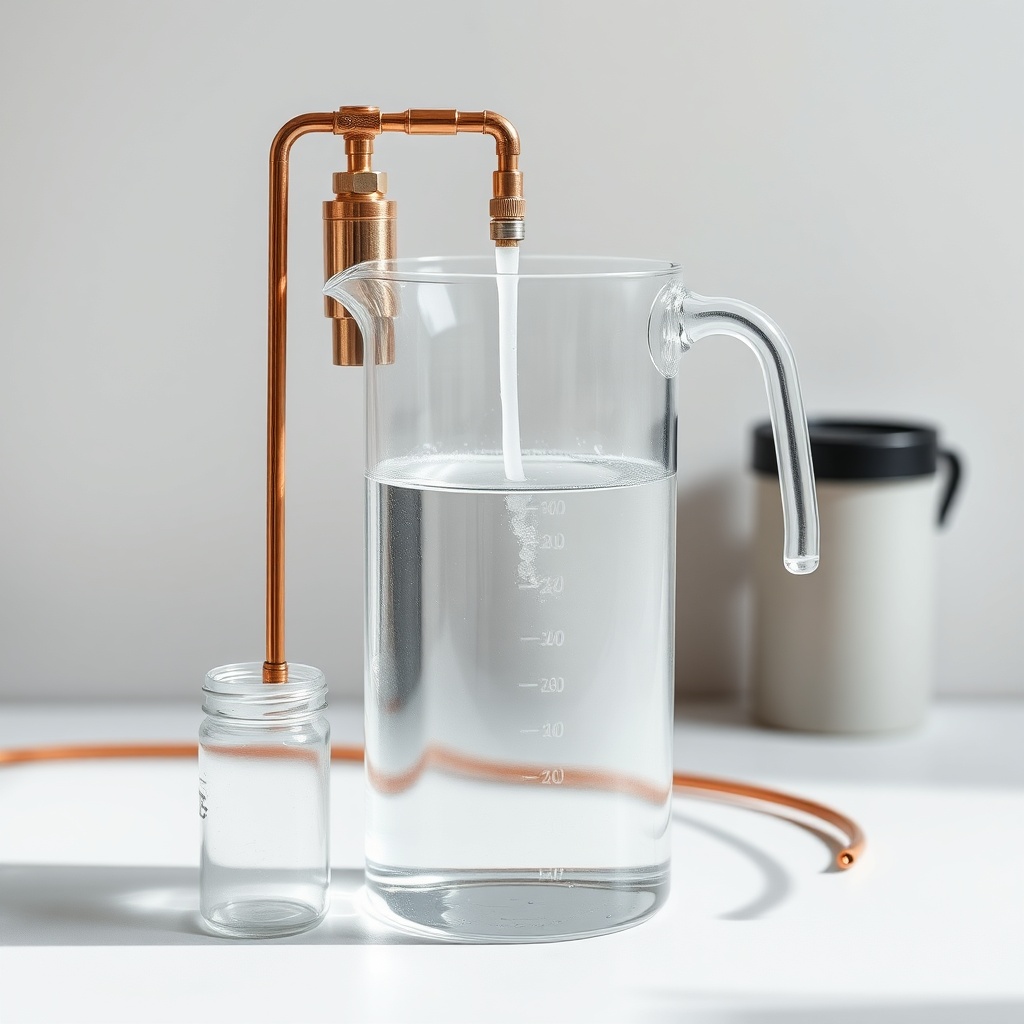
📦 Recommended: Water Freedom System
A portable filtration unit that turns rain or contaminated tap water into safe drinking water—essential when Rachel’s storm surge may compromise municipal supplies.
Don’t forget a battery‑powered or hand‑crank radio, extra batteries, flashlights, and a solar charger for phones. A multi‑day power plan, such as a portable generator, can keep essential devices running if the grid fails.
Evacuation vs. Shelter‑in‑Place: Making the Call
Deciding whether to evacuate or stay put hinges on three factors: storm surge risk, structural integrity, and official orders. If you live below the 100‑year flood level or within a designated evacuation zone, the safest choice is to leave early—ideally before the mandatory evacuation order. Use pre‑planned routes that avoid low‑lying bridges; keep a printed map in your go‑kit.
If you stay, choose a interior room on the highest floor, away from windows. Bring your go‑kit, a whistle, and a charged cell phone. Establish a family communication plan: a primary contact outside the impact area and a backup method (text, email, or a designated social‑media hashtag).
Insurance, Documentation, and Legal Prep
Standard homeowners insurance covers wind damage but not flood damage. Review your policy now and add a separate flood endorsement through the National Flood Insurance Program (NFIP) if you haven’t already. Keep your policy documents in the waterproof container mentioned earlier and store a digital copy in the cloud.
Before the storm arrives, photograph the exterior and interior of your home for records. This visual inventory can speed up claims after the event.
What to Do Next: 72‑Hour Action Checklist
- Secure the home: Install shutters, brace garage doors, trim trees, and seal wall openings.
- Pack the go‑kit: 3‑day water (3 gallons per person), non‑perishable food, meds, first‑aid, documents, radio, and power solutions.
- Confirm evacuation routes: Identify at least two paths, check fuel levels, and share the plan with all family members.
- Review insurance: Verify wind coverage, add flood policy if needed, and back up all paperwork.
- Stay informed: Follow NHC updates, FEMA alerts, and local emergency management via radio or smartphone.
By completing these steps now, you’ll reduce stress, protect your property, and keep your family safe when Hurricane Rachel makes landfall.
Get real disaster prep — decoded from FEMA, NOAA & USGS.
One short email when something actually matters for your zip code. No spam, ever.