
This article contains affiliate links. We may earn a commission at no extra cost to you.
Last Updated: March 2026 | Based on FEMA/NOAA/USGS data
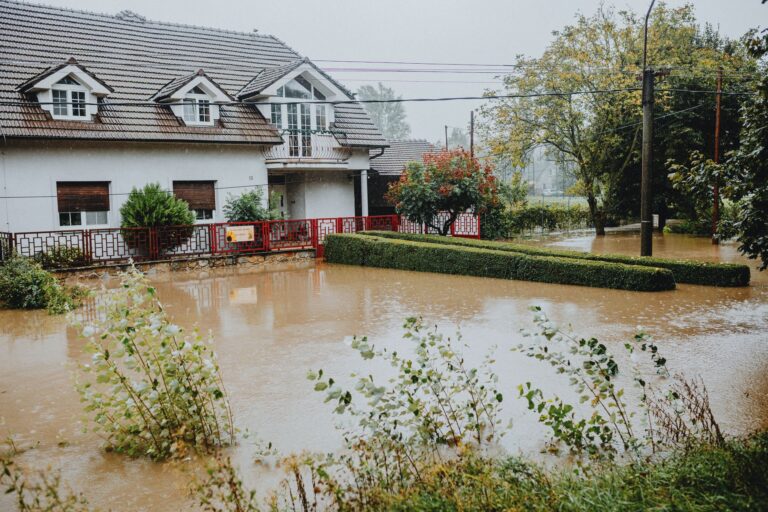
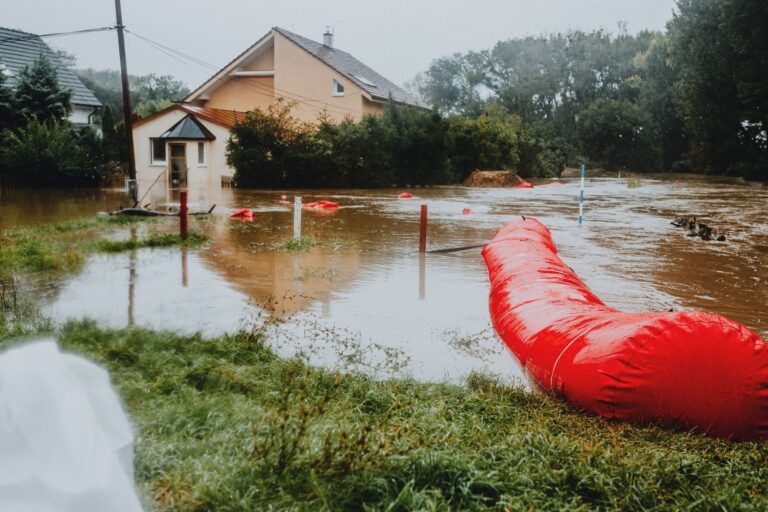
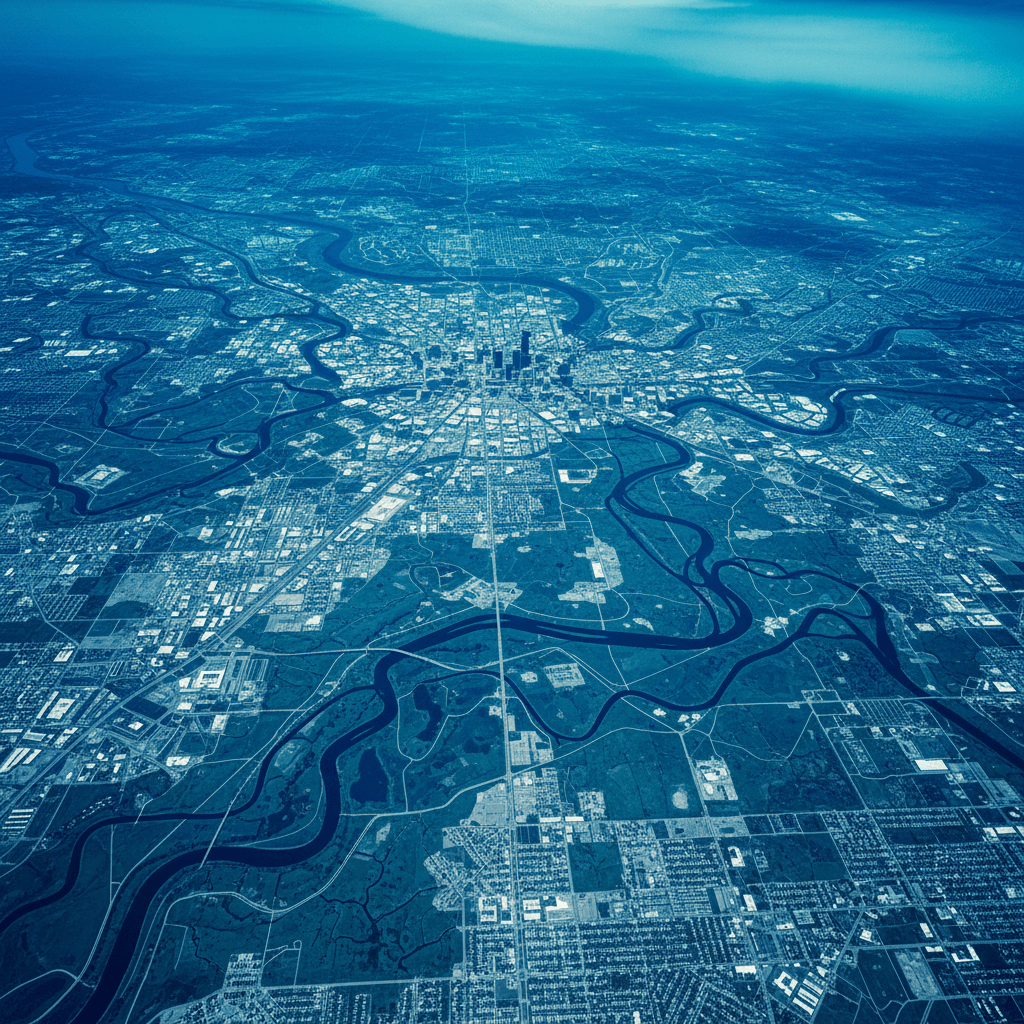
Developing a robust flood preparedness guide Houston TX residents can rely on is critical as spring showers increase the risk of rapid inundation. Given Houston’s flat topography and susceptibility to tropical systems, having a clear evacuation plan and a hardened emergency kit is not just recommended, it is a necessity for your family’s safety during the high-risk spring season.
Your county's real disaster history, what to do first, and what to keep at home. Free, and it shows up right here.
🔒 We never sell your email. Unsubscribe in one click.
For the complete household checklist, see our Flood Preparedness guide.
Key Takeaways
- Houston’s geography makes it uniquely prone to flash flooding, even outside of designated floodplains.
- Spring weather patterns in Southeast Texas frequently result in rapid, high-intensity rainfall.
- Standard homeowner’s insurance policies typically exclude flood damage; separate coverage is required.
- Elevating utilities and documenting home contents are essential pre-flood mitigation steps.
- Always monitor National Weather Service alerts for real-time updates.
Understanding Flood Risk in Houston, Texas
Houston faces a complex flood risk profile. According to FEMA, many areas of Harris County are located in low-lying zones where even moderate rainfall can overwhelm local bayous and drainage systems. The city’s rapid urbanization and high percentage of impervious surfaces mean that water does not absorb into the ground, leading to significant runoff. NOAA data consistently highlights that spring is a peak period for severe thunderstorms in the region, which can produce localized flash flooding in minutes. Residents should consult the FEMA Flood Map Service Center to determine their specific property risk level.
How to Prepare for Flooding: Step-by-Step
Step 1: Verify Your Flood Insurance
Do not assume you are covered. Most standard policies do not cover flood damage. Contact your insurance provider to discuss a policy through the National Flood Insurance Program (NFIP).
Step 2: Document Your Property
Take photos and videos of your home’s interior and exterior. Store these digital files in a cloud-based service so they remain accessible even if your physical documents are destroyed.
Step 3: Elevate Critical Utilities
If your home is in a high-risk area, work with a licensed professional to elevate your furnace, water heater, and electrical panel above the base flood elevation level.
Step 4: Clear Drainage Around Your Home
Before spring rains intensify, ensure your gutters, downspouts, and nearby storm drains are free of debris to ensure water can flow away from your foundation.
Step 5: Establish an Emergency Communication Plan
Agree on a family meeting point and ensure every member knows how to receive emergency alerts. Download the FEMA mobile app for real-time notifications.
Essential Emergency Kit for Houston
A survival kit should sustain your household for at least 72 hours. Ensure these items are stored in waterproof containers:
- One gallon of water per person per day
- Non-perishable food (canned goods, energy bars)
- Battery-powered or hand-crank radio
- Flashlights with extra batteries
- First aid kit with prescription medications
- Whistle to signal for help
- Dust mask to help filter contaminated air
- Plastic sheeting and duct tape for sealing windows/doors
- Wrench or pliers to turn off utilities
- Manual can opener
- Local maps (physical copies)
- Personal hygiene items and sanitation supplies
📦 Recommended: The Lost Superfoods
During a flood, local supply chains may be disrupted for days. This guide provides essential knowledge for shelf-stable food preparation to keep your family nourished when stores are inaccessible.
Local Resources
Stay informed through official local channels:
- ReadyHarris (Harris County Emergency Management)
- City of Houston Office of Emergency Management
- National Weather Service Houston/Galveston
Frequently Asked Questions
How do I know if I live in a flood zone in Houston?
You can check your property status by entering your address into the FEMA Flood Map Service Center or the Harris County Flood Control District’s interactive mapping tool.
When is the best time to buy flood insurance?
Buy it immediately. Most flood insurance policies have a 30-day waiting period before they go into effect, so do not wait for a storm warning.
What should I do if a flood warning is issued?
Follow all instructions from local authorities. If told to evacuate, do so immediately. Never drive through flooded roadways; it only takes a few inches of moving water to sweep a vehicle away.
Are there specific risks to Houston during spring?
Spring brings intense, fast-moving thunderstorms that can dump several inches of rain in a short timeframe, leading to rapid street flooding.
What is the first thing I should do after a flood?
Only return home when authorities say it is safe. Inspect your home for structural damage and avoid standing water, which may be electrically charged or contaminated with sewage.
This article is for informational purposes only. Always follow directives from local emergency management authorities.
Get real disaster prep, decoded from FEMA, NOAA & USGS.
One short email when something actually matters for your zip code. No spam, ever.