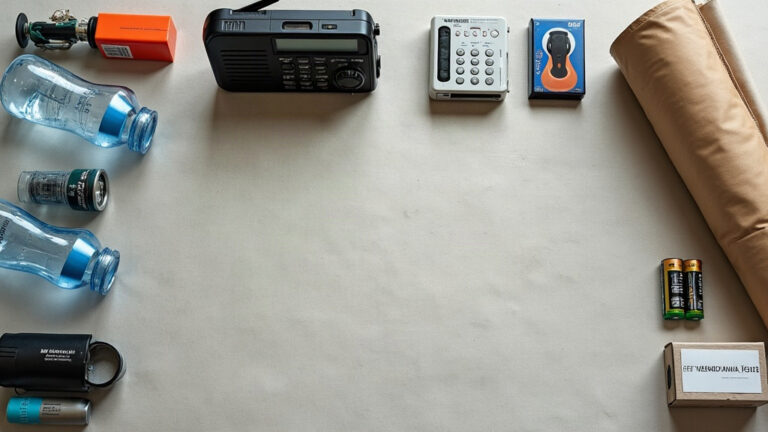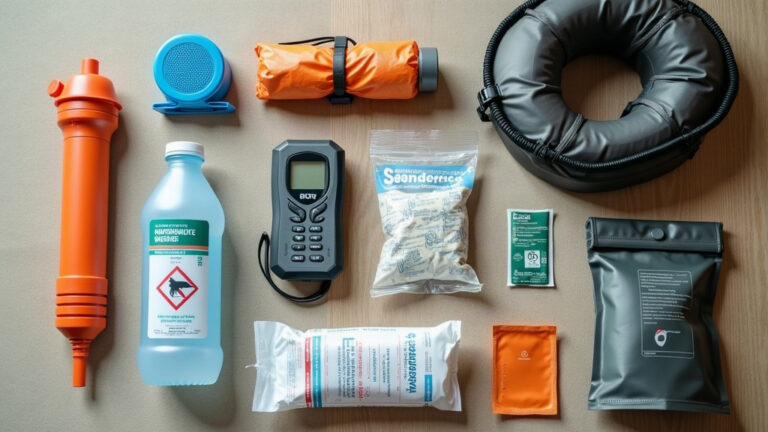

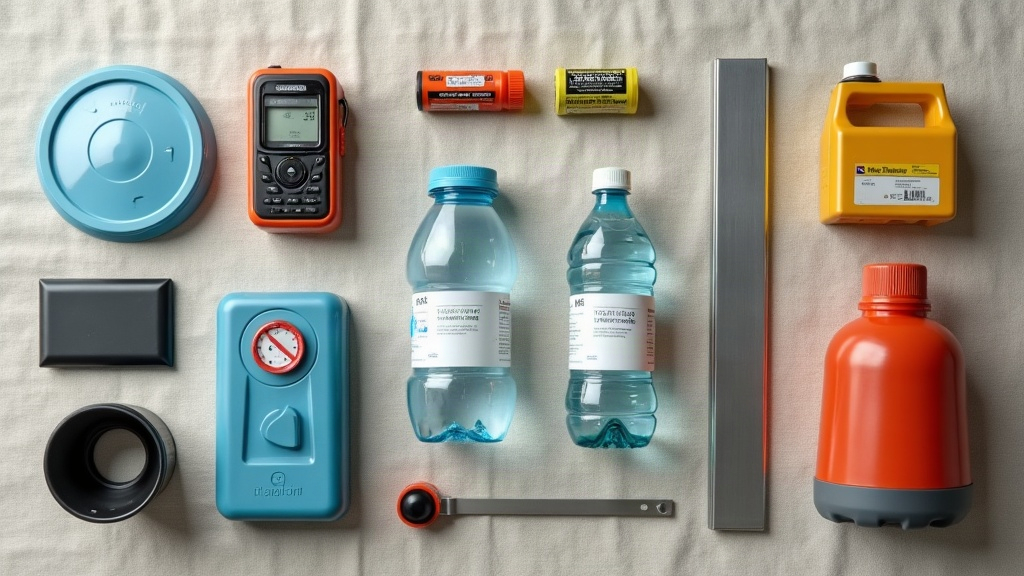
Hurricane Isaias is rapidly intensifying, with forecasts predicting it will strengthen to a Category 2 storm before making landfall along the Gulf Coast. This development has triggered immediate evacuation orders for residents in vulnerable areas of Alabama and Florida. For homeowners, the next 48 to 72 hours are critical. The goal is not panic, but structured action. By systematically securing your property, verifying your emergency supplies, and confirming your insurance coverage, you can protect your family and reduce the impact of the storm on your household.
Your county's real disaster history, what to do first, and what to keep at home. Free, and it shows up right here.
🔒 We never sell your email. Unsubscribe in one click.
Securing the Structure: Hardening Your Home
The most vulnerable part of a house in a hurricane is often not the walls, but the openings. Wind pressure can shatter windows and blow out garage doors, allowing wind to enter the structure and potentially lift the roof. Before the storm arrives, you must mitigate these entry points. If you have permanent storm shutters or impact-resistant glass, ensure they are fully deployed and locked. If you rely on plywood, install it now rather than waiting for the final hours, as heavy rain can make the material slippery and difficult to handle.
Do not overlook the garage door. In many coastal structures, the garage door is the weakest link. If you have a manual opener, consider bracing the door with plywood or using a specialized garage door brace to prevent it from bowing inward under wind pressure. Additionally, secure or bring in all outdoor furniture, trash cans, and loose debris. These items become dangerous projectiles in high winds, capable of causing significant damage to your roof and windows. Trim any overhanging tree branches that pose a risk of falling on your home or power lines.
The 72-Hour Supply Strategy
When does hurricane season start? It runs from June 1 to November 30, but preparation should ideally begin months in advance. However, for an active threat like Isaias, you must ensure your current stock meets the 72-hour minimum standard. The Federal Emergency Management Agency (FEMA) recommends storing at least three days’ worth of non-perishable food and water for each person in your household.
Specifically, you need one gallon of water per person per day. For a family of four, that is 12 gallons for three days. If you have pets, double this amount. Food should require no cooking, refrigeration, or special preparation. Canned goods, energy bars, and dried fruits are ideal. Crucially, you must include a manual can opener. Beyond food and water, your kit must include current prescriptions, hygiene items, and cash in small denominations, as ATMs and credit card readers may be offline.

📦 Recommended: Water Freedom System
Hurricanes often contaminate local water supplies through flooding or infrastructure damage. This system allows you to generate clean, safe drinking water from any source when the tap is off-limits.
Documents, Insurance, and Digital Backups
Before the storm makes landfall, you must address the administrative side of disaster recovery. Does homeowners insurance cover hurricane flooding? Generally, no. Standard homeowner or renter insurance policies cover wind and rain damage but explicitly exclude flood damage. If you live in a flood zone, you need a separate National Flood Insurance Program (NFIP) policy or private flood insurance. Verify this coverage immediately. If you do not have it, note that there is often a 30-day waiting period for new policies to take effect, so this is a long-term readiness step, but you should still review your current policy limits now.
What documents should you protect? You need proof of identity, proof of ownership, and proof of insurance. Gather your deeds, titles, birth certificates, passports, and insurance policies. Create digital backups of these documents by scanning them to a cloud storage service or an external hard drive. Keep a physical copy in a waterproof, fireproof safe or a sealed, zip-lock bag in an easily accessible location. If you evacuate, bring the physical copies and the hard drive. If you shelter in place, ensure the safe is in a dry area of the home, away from windows and exterior walls.
Evacuation Planning and Sheltering in Place
Should you evacuate or shelter in place? This decision depends strictly on local official orders and your specific location relative to the storm surge path. If your county or city issues a mandatory evacuation order, you must leave. Do not wait; traffic will become impassable quickly. If you are in a high-rise building with reinforced concrete and are not in a low-lying area, you may be advised to shelter in place, but only if officials confirm it is safe.
Regardless of the decision, you need a family communication plan. Establish an out-of-state contact person who can serve as a central point for family updates. Ensure every family member has a charged phone and a power bank. Identify two evacuation routes in case the primary road is closed by debris or flooding. Mark a meeting point outside your neighborhood in case you are separated. If you have elderly family members or individuals with medical needs, arrange for a neighbor or community resource to assist them if you are unable to help directly.

📦 Recommended: Home Doctor
During major storms, emergency services are often overwhelmed and response times increase. This guide helps you treat common injuries and illnesses at home effectively when professional help is delayed.
Final Pre-Storm Actions and Power Contingencies
Storm surge is the deadliest aspect of a hurricane. If you are in a coastal area, be prepared for water to reach elevated levels. Seal any outside wall openings, such as vents, if possible, to reduce water intrusion, though this is less critical than securing windows. Keep your vehicle fueled to at least half a tank. If you have a generator, ensure it is fueled and tested, and remember to always run it outdoors to prevent carbon monoxide poisoning.
Monitor official channels such as NOAA Weather Radio or local emergency management apps for real-time updates. Do not rely solely on social media for evacuation orders. As the storm approaches, keep your phones charged. If you are sheltering in place, move to an interior room on the lowest level of your home that is not prone to flooding, away from windows. If you are evacuating, leave early, drive carefully, and follow detour signs. Your primary objective is safety, not property preservation.
What to Do Next: 72-Hour Checklist
- Verify Evacuation Status: Check official local government websites and NOAA for mandatory evacuation orders. If ordered, leave immediately.
- Secure the Perimeter: Install shutters, brace garage doors, and bring in all outdoor furniture and loose items.
- Stock Supplies: Ensure you have 3 days of food, 1 gallon of water per person per day, medications, and cash.
- Back Up Documents: Scan deeds, insurance policies, and IDs to the cloud; keep physical copies in a waterproof bag.
- Test Communication Plan: Confirm your out-of-state contact and ensure all family members have charged devices.
Get real disaster prep — decoded from FEMA, NOAA & USGS.
One short email when something actually matters for your zip code. No spam, ever.